
Sotheby's Fossil Auction Signals Continued Demand for Dinosaur Remains
A recent Sotheby's auction of dinosaur fossils fetched high prices, indicating the market for prehistoric specimens remains robust. The sale included significant finds, underscoring sustained interest from collectors.

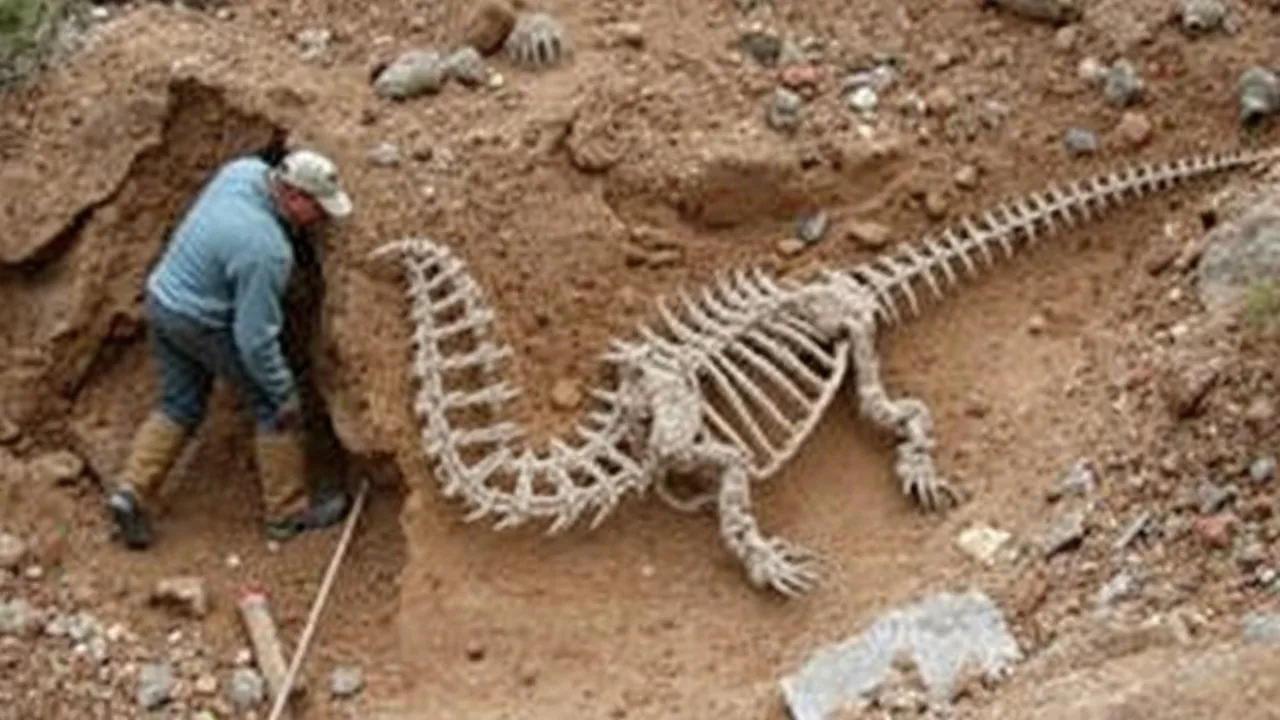
NEW YORK – Dinosaur fossils continue to command significant attention and high prices, as evidenced by a recent auction at Sotheby's that saw several prehistoric specimens achieve substantial bids. The sale demonstrated that the burgeoning market for dinosaur remains, often fetching millions of dollars, is far from diminishing, attracting both seasoned collectors and new enthusiasts eager to own a piece of Earth's ancient history.
The auction highlighted the enduring appeal of these colossal creatures, with particular interest shown in exceptionally well-preserved skeletons. A notable lot, a nearly complete skeleton of a Gorgosaurus, a relative of Tyrannosaurus Rex, sold for $6.1 million. This particular specimen, discovered in the Judith River Formation of Montana in 2012, represents a significant paleontological find and drew considerable pre-auction buzz.
Another standout piece was the skeleton of a juvenile Iguanodon, which achieved $340,200. While not reaching the stratospheric sums of larger dinosaurs, its sale underscored the broad spectrum of the fossil market, catering to diverse collecting interests and budgets. The enthusiasm from bidders, observed both in person and online, pointed to a robust global demand for these unique artifacts.
Market Dynamics and Collector Interest
The fossil market has seen a dramatic surge in recent years, transforming from a niche academic pursuit into a significant commercial enterprise. Museums, private collectors, and even educational institutions are now competing for the rarest and most complete specimens. This heightened demand has led to a notable increase in the value of many fossils, with some specimens becoming astronomical investments.
Paleontologists and scientists often express mixed feelings about the commercialization of fossils. While the revenue generated from sales can fund new expeditions and research, there is concern that valuable specimens may be lost to private collections, limiting scientific study. Dr. Evelyn Reed, a paleontologist specializing in Late Cretaceous ecosystems, stated, "While the interest is fantastic for raising awareness about prehistoric life, we must ensure that scientific access isn't compromised. The Judith River Formation, for example, is a treasure trove that deserves thorough scientific investigation."
Despite these concerns, the trend shows no sign of abating. Sotheby's, for its part, emphasized its commitment to working with scientific institutions and ensuring the provenance and scientific integrity of the fossils it auctions. The auction house has previously facilitated sales of significant dinosaur specimens, including a T-Rex skeleton that sold for $31.8 million in 2020, setting a record at the time.
The current market suggests that dinosaur fossils have cemented their place not only in scientific understanding but also as high-value assets. As more discoveries are made and meticulously prepared for sale, the auction block is likely to remain a focal point for the trade in these ancient marvels, reflecting a continued fascination with the age of dinosaurs.