
Virtual OS Museum Features 600+ Historic Operating Systems
Explore over 600 vintage operating systems directly on your computer with the Virtual OS Museum. This online archive offers a unique way to experience computing history firsthand.

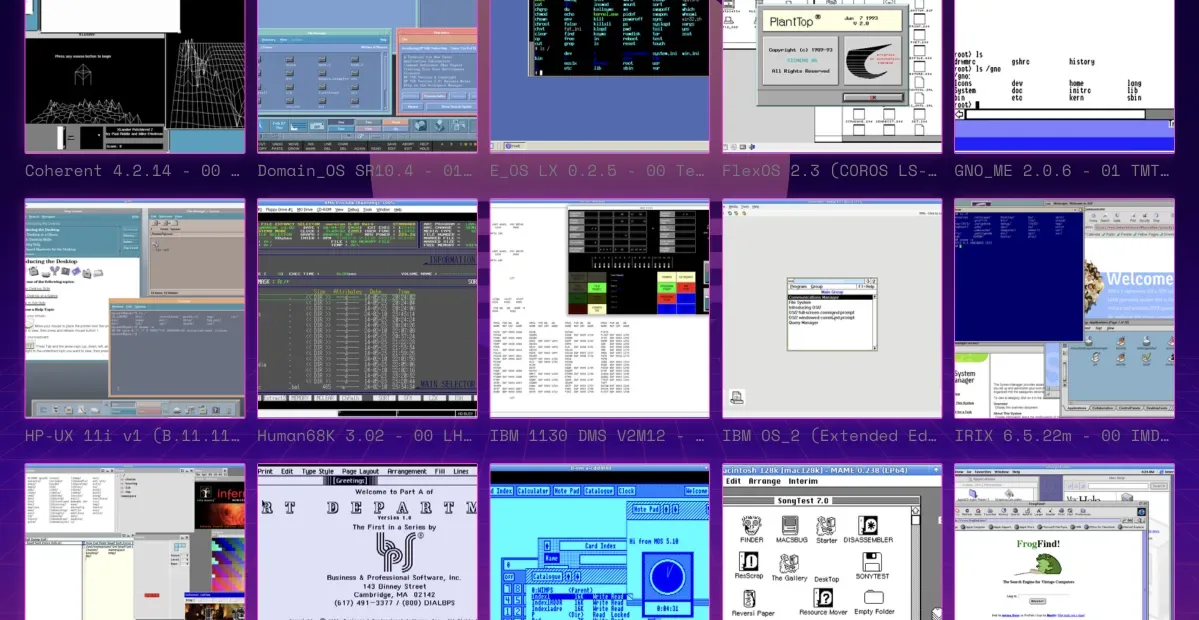
The Virtual OS Museum has launched, offering users the chance to experience over 600 historical operating systems directly on their desktop. This innovative project allows individuals to virtually run classic software, from early versions of MS-DOS to various iterations of Windows and macOS, without needing to install or emulate them externally.
Launched by enthusiast and developer Leo Iannacone, the museum presents a curated collection designed for nostalgia and educational purposes. Users can interact with these systems through their web browser, providing a seamless gateway into the evolution of personal computing. The platform aims to preserve digital heritage and make it accessible to a new generation of tech enthusiasts and historians.
A Deep Dive into Computing History
The collection includes more than just popular operating systems. Visitors can find rarer software like AmigaOS, early iterations of BeOS, and various versions of UNIX. Each operating system is presented in an isolated environment, ensuring that users can experiment freely without impacting their own systems. The Virtual OS Museum leverages modern web technologies to simulate the experience of running these older programs, effectively bringing computing history to life.
Iannacone stated that the goal was to create an easily accessible archive. "I wanted to build something that anyone could use to just jump in and see what these old operating systems were like," he explained. "It's easy to forget how far we've come, and seeing these interfaces can be a real eye-opener." The project is continuously updated, with plans to add more systems and features over time, further expanding its scope as a comprehensive digital archive.
The significance of such a project extends beyond mere historical curiosity. It serves as a valuable resource for researchers, educators, and developers interested in understanding the foundational elements of modern software. By providing direct access to over 600 operating systems, the museum offers insights into user interface design, programming paradigms, and the technological advancements that have shaped the digital world we inhabit today. This accessibility is crucial for appreciating the iterative nature of innovation in the tech industry.
Exploring the Virtual OS Museum allows for a tangible connection to the past. Imagine booting up Windows 95, navigating its iconic start menu, or even experiencing the command-line interface of MS-DOS. These are not just simulations; they are functional representations that allow for a degree of interaction, offering a glimpse into the user experience of decades gone by. This collection is a testament to the rapid pace of technological progress and the enduring legacy of early computing pioneers.
The museum is not just for those who remember these systems firsthand. It's an educational tool for younger individuals to grasp the context of modern software by understanding its predecessors. This initiative by Leo Iannacone provides a unique and engaging platform for learning about the history of computing, making complex technological evolution understandable and interactive for everyone. The project highlights the importance of digital preservation in the face of evolving hardware and software standards.