
Maternal Cells Found in Children's Brains, Persisting for Decades
A recent study reveals that cells from a mother's DNA can transfer to her child's brain during gestation and remain there for years, potentially transforming into various brain cell types.

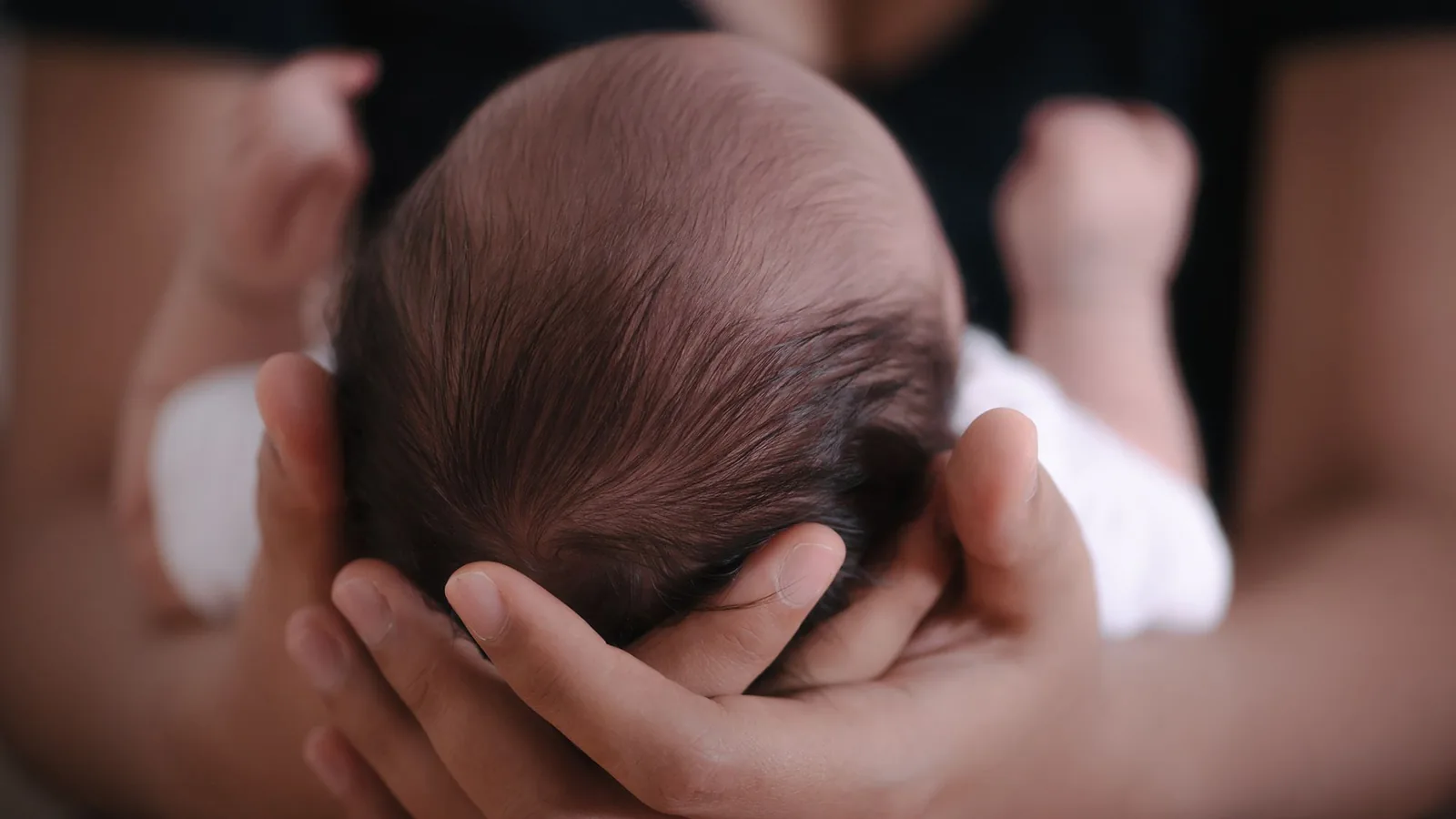
Scientists have uncovered compelling evidence that cells originating from a mother can migrate to her child's brain during fetal development and persist for decades, a phenomenon shedding new light on the biological connections between mothers and offspring. The research, detailed in a preprint study, indicates that these maternal cells can transform into functional brain cells, contributing to the brain's cellular landscape throughout a person's life.
This discovery builds upon the understanding of a process known as microchimerism, where cells are exchanged between a mother and fetus. While prior research had identified maternal cells in infants and in blood samples, this new study provides substantial evidence of their presence and persistence within brain tissue itself. "What's exciting here is that it's tissue, not blood; it's real human data, not an animal model; and the methods are cutting-edge," commented Amy Boddy, co-director of the Microchimerism, Human Health and Evolution Project at the University of California, Santa Barbara, who was not involved in the study. She noted that this work reinforces the notion that microchimerism is a fundamental aspect of mammalian biology.
The investigation, led by Sami Kanaan, a staff scientist at the Fred Hutchinson Cancer Center, utilized advanced techniques to identify maternal cells within brain tissue samples. Researchers analyzed surgical brain tissue from 37 children aged 28 days to 19 years, whose mothers provided DNA samples. Using quantitative PCR, a method for detecting and counting specific DNA sequences, the team found that approximately 70% of the children's brains harbored maternal cells. These cells were distributed across various brain regions, including the frontal, temporal, and parietal lobes, as well as the hippocampus.
On average, maternal cells were found at a rate of about 2.2 cells per 100,000, though significant variation existed. Notably, one sample showed a much higher concentration, and 11 children exhibited no detectable maternal DNA. Boddy suggested that the actual prevalence might be underestimated due to the limitations of detecting very rare cells.
Cellular Transformation and Early Life Connections
Further analysis using single-nucleus RNA sequencing revealed that these maternal cells had differentiated into several types of brain cells. This transformation suggests that the cells, likely originating from leukocytes or stem cells transferred via the placenta, pregnancy, or breastfeeding, actively integrated into the child's brain. The transformed cells included neurons, oligodendrocytes (which form myelin sheaths), astrocytes (support cells), microglia (immune cells of the brain), and endothelial cells (lining blood vessels).
"Being able to use single-nucleus RNA sequencing to identify what type of cells the maternal microchimeric cells actually are is amazing," Boddy stated, highlighting the study's contribution to understanding the function of these cells. The findings were further validated by examining autopsy brain tissue from 32 individuals without known neurological conditions, aged from 22 weeks gestation to 40 years, as well as from three elderly men. Foreign cells were identified in about 78% of these cases, including in the brain of a man in his 90s, underscoring the long-term persistence of these cells.
While the exact origin of these foreign cells in the autopsy samples could not be confirmed without maternal DNA, researchers posited possibilities including an older twin, sibling, previous pregnancy, or even a maternal grandmother. In younger brains, maternal cells predominantly developed into specific neurons, while in older brains, they were more likely to become microglia. Dr. Sing Sing Way, a microchimerism researcher at Cincinnati Children's Hospital Medical Center, remarked on the diversity of cell types, suggesting it would be beneficial to understand if this diversity relates to the cell's initial source.
The study observed a decline in the number of maternal cells with age, but they did not disappear entirely. Boddy speculated on the functional role of these cells, questioning whether they provide essential support to the brain. "Do we maybe need microchimeric cells to 'help out'? Is diversity of cells in the brain important, or is it just a byproduct of being a placental mammal?” she mused. The potential importance of understanding the function of these cells for healthy brain development was emphasized.
While the study pushes the boundaries of microchimerism research, Way recommended future work focus on larger, more standardized datasets, including more brain biopsies and comparative analysis across different age groups and brain regions to refine understanding of this enduring biological phenomenon. The implications for biotech and health are significant, opening new avenues for research into development and aging.