
August Sturgeon Moon Features Partial Lunar Eclipse Over Earth
August's full moon, known as the sturgeon moon, was visible alongside a partial lunar eclipse. Earth's shadow obscured 96% of the moon's surface during the celestial event.

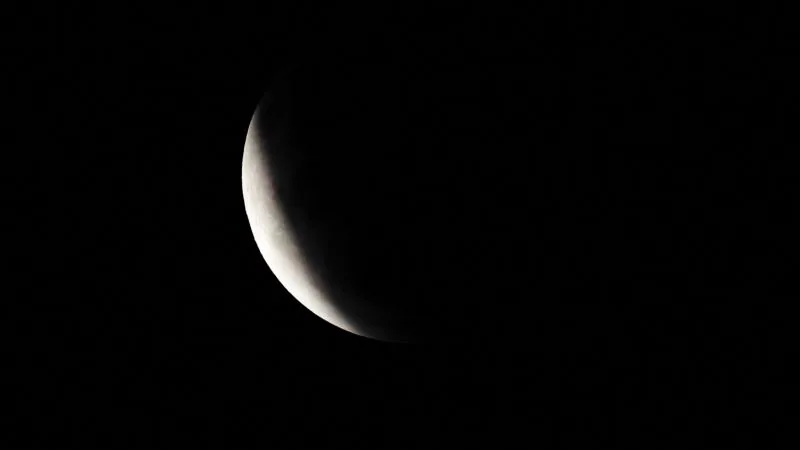
The night sky offered a dual spectacle on Thursday, August 28, 2026, as the full sturgeon moon coincided with a partial lunar eclipse. This astronomical event occurs when the Earth positions itself directly between the sun and the moon, casting its shadow, or umbra, onto the lunar surface.
During this particular occurrence, the eclipse was not total but partial, with Earth's shadow covering an impressive 96% of the moon's luminous face. The sturgeon moon, traditionally named for the time of year when this large freshwater fish was most easily caught in the Great Lakes and other waters of North America, provided a dramatic backdrop for the celestial alignment.
Celestial Mechanics of an Eclipse
A lunar eclipse is a relatively common phenomenon, occurring whenever the Earth's orbit around the sun brings it into alignment with the moon. However, the degree of coverage and visibility varies significantly. In this instance, the substantial coverage meant that a significant portion of the moon appeared dimmed or darkened, creating a visually striking display for observers. While the United States experienced the full effect, other parts of the world also witnessed varying degrees of the eclipse.
Skywatchers have been tracking lunar cycles and eclipses for millennia, using these events to mark time, develop calendars, and understand celestial mechanics. The August eclipse, while a partial event, served as a potent reminder of the predictable yet awe-inspiring movements of our solar system. The full moon itself, irrespective of an eclipse, holds cultural significance across many societies, often tied to harvest cycles, mythology, and folklore.
The precise timing and visibility of the eclipse depended on geographic location. For those in the optimal viewing zones, the progression from a full, bright disk to a deeply shadowed orb represented a unique astronomical moment. The term "sturgeon moon" itself highlights the deep connection between celestial events and terrestrial activities, specifically the natural world and human endeavors like fishing.
This event serves as a point of interest for both amateur astronomers and casual observers alike. Understanding the mechanics behind a lunar eclipse, where the Earth's shadow plays a crucial role, enhances the appreciation of such skywatching opportunities. The next significant lunar event will be closely anticipated by the astronomical community.