
Space Jellyfish Phenomenon Explained: Rocket Plumes Create Ethereal Light Shows
Photographers have captured stunning images of a 'space jellyfish' phenomenon, an ethereal light display caused by the exhaust plumes of a SpaceX rocket. This event offers a rare visual insight into upper atmospheric conditions.

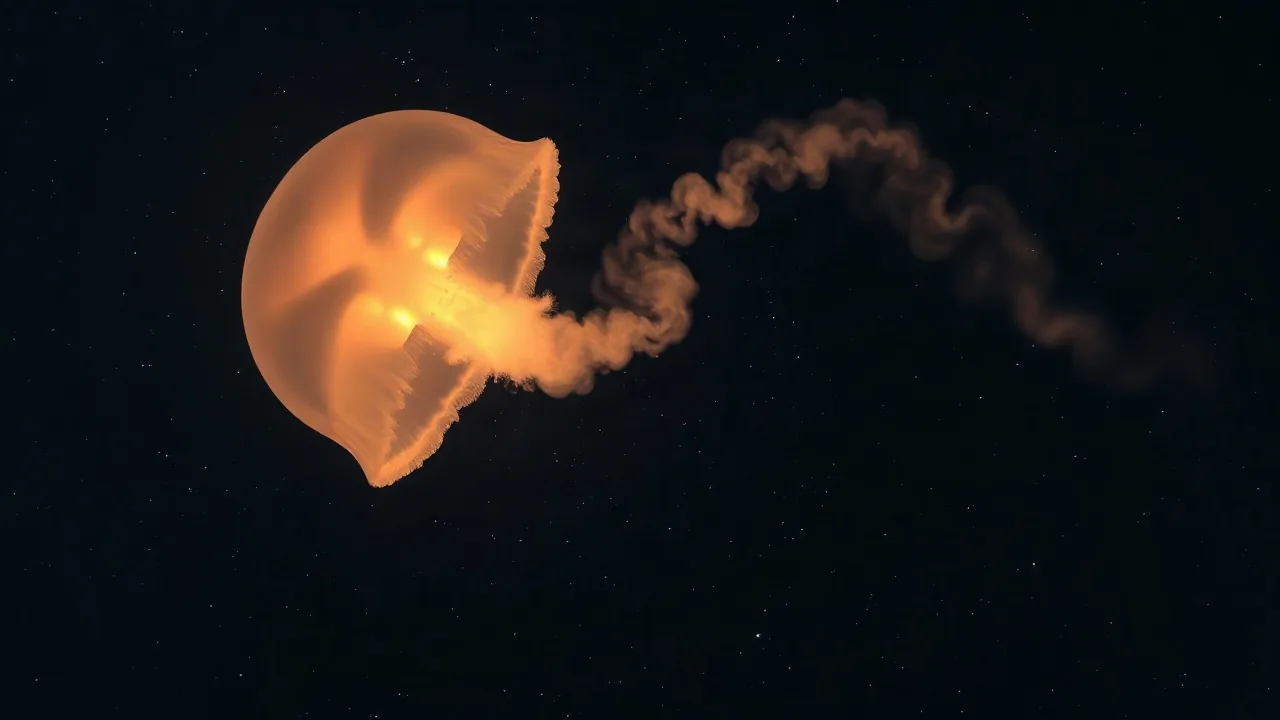
Astonishing photographs have emerged capturing a celestial spectacle dubbed the 'space jellyfish,' a fleeting phenomenon caused by the exhaust plume of a SpaceX rocket. Amateur and professional photographers alike documented the ethereal light display in the night sky, shortly after the launch of the Bandwagon-5 mission. The translucent, shimmering form resembles a jellyfish drifting through the void, a visual testament to the interaction between rocket exhaust and the Earth's upper atmosphere.
The phenomenon was observed following the launch of SpaceX's Falcon 9 rocket for the Bandwagon-5 mission. This mission, which carried scientific payloads, was part of SpaceX's ongoing efforts to support space research and commercial satellite deployment. The particular atmospheric conditions present at the time of the launch, combined with the specific composition and dispersal of the rocket's exhaust, created the unique visual effect.
Atmospheric Interaction and Rare Visibility
The 'space jellyfish' effect occurs when the supercooled water vapor and ice crystals in the rocket's exhaust plume interact with sunlight at very high altitudes, typically above 50 miles. As the plume expands and freezes, it can scatter sunlight in a way that creates iridescent, cloud-like formations. These formations are often short-lived, appearing only under precise viewing angles and atmospheric conditions, making photographic captures of the event particularly rare and prized.
Astronomical Picture of the Day (APOD) featured an image of this phenomenon on October 16, 2026, highlighting its visual appeal and scientific interest. The image, originally captured by photographers documenting the launch, showcased the intricate patterns of light and shadow that defined the 'space jellyfish.' Such occurrences provide scientists with valuable, albeit indirect, data on atmospheric composition and dynamics at extreme altitudes.
While SpaceX missions, particularly those involving the Falcon 9 rocket, are frequent, the visual conditions required for the 'space jellyfish' to manifest are not always present. The density of the atmosphere at these altitudes is extremely low, and the temperature is well below freezing, leading to the rapid formation of ice crystals from the water vapor in the exhaust. When sunlight strikes these ice crystals, it can create a diffuse, glowing effect that resembles the delicate tentacles and bell of a jellyfish.
This captivating visual display serves as a reminder of the complex and often beautiful interactions occurring in the near-Earth environment. As space exploration and commercial launches continue to increase, these serendipitous atmospheric phenomena offer both aesthetic wonder and scientific opportunities for researchers studying Earth's upper atmosphere. The successful documentation of this event underscores the importance of citizen science and the dedicated efforts of photographers capturing the cosmos.