
Beaver Moon rises Nov. 24 as first of four consecutive supermoons
The Beaver Moon rises as the first of four consecutive supermoons, bringing folklore history and astronomical phenomena to the night sky.

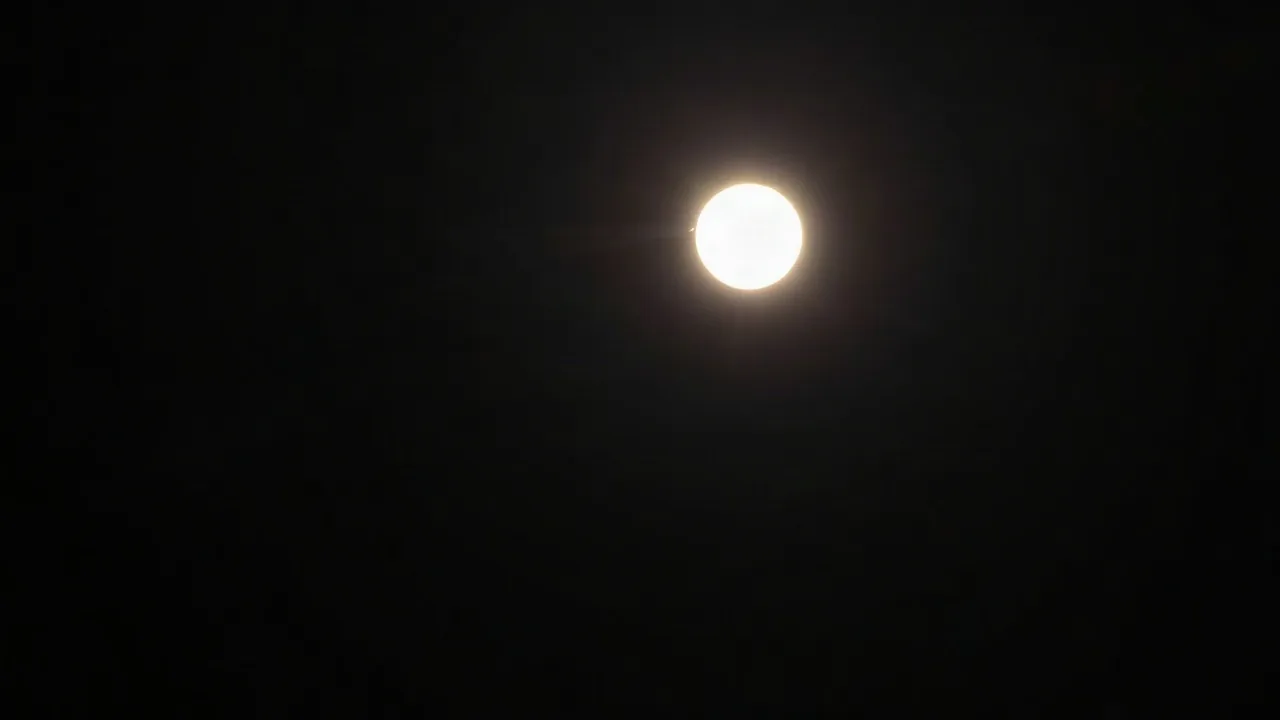
The November full moon arrives as a Beaver Moon, marking the beginning of a sequence of four back-to-back supermoons. Reaching peak illumination at 9:53 a.m. Eastern Time, the lunar event offers stargazers a brilliant display despite no perceivable daytime difference to the human eye. According to historical accounts, the best viewing window occurs when the moon sits low on the horizon, creating an optical effect known as the moon illusion that makes it appear larger and brighter.
This lunar occurrence kicks off a series spanning several months. A second supermoon arrives on Christmas Eve, December 24, followed by a third event on January 22, 2027. The final phase of this four-part series concludes on February 20, 2027, with the Snow Moon. Such clusters of three to four consecutive supermoons are typical for annual lunar cycles.
Folklore and Weather Lore Origins
The naming of the Beaver Moon draws from early Native American, Colonial American, and European folklore. The terminology reflects late autumn behaviors of beavers building dams and lodges ahead of freezing waters, as well as the historical fur trade when trappers harvested thick winter pelts. Indigenous names vary across traditions, including the Trading Moon used by Cherokee people, the Deer Rutning Moon used by the Dakota and Lakota, and the Whitefish Moon designated by the Algonquin.
Traditional weather lore also links the appearance of November's full moon to upcoming conditions. A halo encircling the moon historically signals approaching precipitation. Meteorologist Jonathan Erdman explains the scientific backing behind this observation. He says what we observe from the moon's appearance in the sky is a “rule of thumb” and while it doesn't always hold it is often it's a good first guess, noting that thin cirrus crystals bend moonlight when weather systems arrive.
Alternative designations for November's full moon include the Frost Moon, Freezing Moon, and Snow Moon due to changing seasonal temperatures and early frosts. Additional cultural contexts and historical timelines continue to shape public interest in these recurring astronomical events.