
Easter Island Seafarers' Journey to Hawaii Revealed in Genetic Study
A new genetic study confirms that seafarers from Rapa Nui, also known as Easter Island, were the first to settle Hawaii, tracing their ancestry back to the island over 1,000 years ago. The findings shed light on ancient Polynesian navigation and migration patterns.

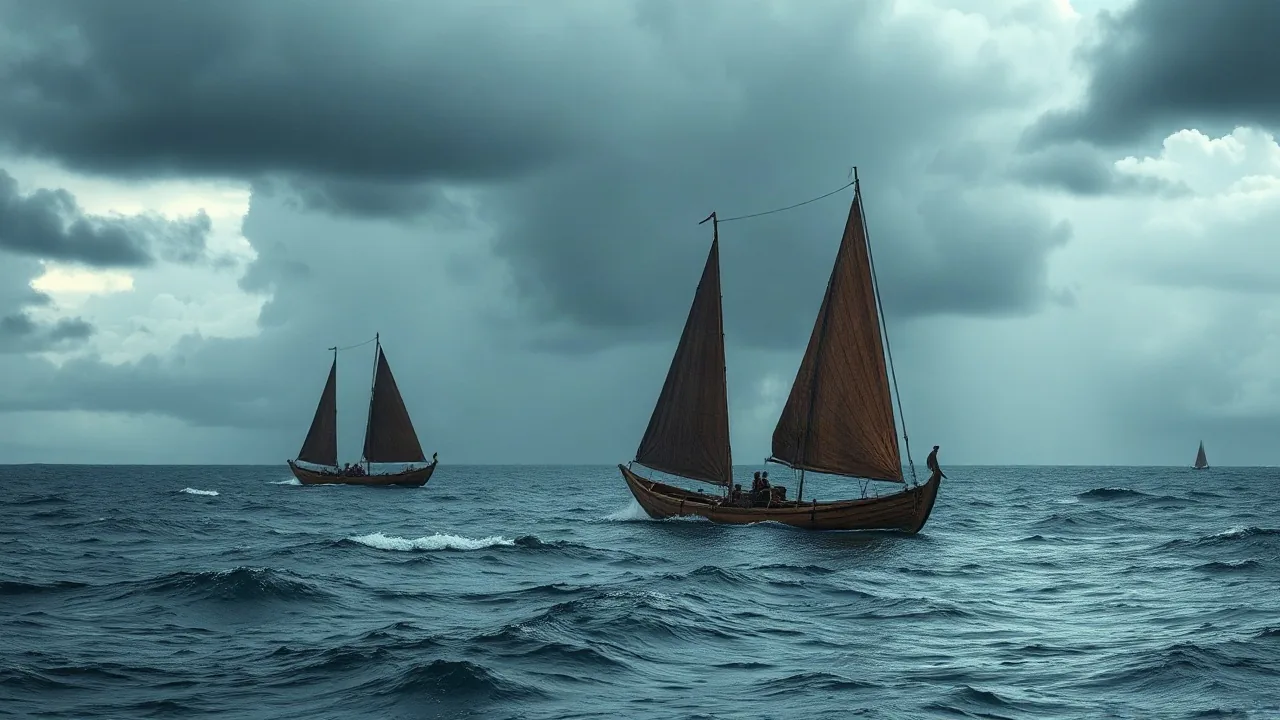
A groundbreaking genetic study published in 2026 has provided conclusive evidence that ancient seafarers from Rapa Nui, commonly known as Easter Island, were the first humans to colonize the Hawaiian Islands. The research, which analyzed DNA from ancient human remains and modern populations, indicates that these voyages occurred approximately 1,200 years ago, fundamentally altering our understanding of Polynesian expansion across the Pacific Ocean.
The international team of researchers, led by geneticist Dr. Elena Petrova from the University of California, Berkeley, sequenced ancient DNA extracted from skeletal remains found on Rapa Nui and in Hawaii. Their findings revealed a clear ancestral link between the populations, with genetic markers showing a distinct lineage originating from Rapa Nui that predates other known Polynesian settlements in Hawaii. "This study provides irrefutable genetic evidence that the Polynesians who first arrived in Hawaii came directly from Rapa Nui," Dr. Petrova stated in a press conference on October 19, 2026. "It rewrites the narrative of Pacific migration, highlighting the incredible seafaring capabilities of these ancient people.".
For decades, scientists have debated the origins of the first Hawaiians. While it was widely accepted that Polynesians navigated from the west, the specific origin point and timeline remained subjects of intense research. Previous theories suggested origins from islands like Tahiti or the Marquesas. However, this new genetic data strongly supports the Rapa Nui hypothesis, which has been gaining traction in recent years due to archaeological evidence of shared cultural practices and agricultural techniques.
Ancient Navigation and Cultural Exchange
The successful navigation of thousands of miles of open ocean by ancient seafarers using only celestial cues, wave patterns, and traditional knowledge is a testament to their advanced understanding of the natural world. The journey from Rapa Nui to Hawaii would have been one of the longest and most challenging migrations in human history. Researchers believe these voyages were likely undertaken using large double-hulled canoes, capable of carrying people, plants, and animals across vast distances. This migration facilitated the spread of unique island cultures and genetic diversity across the Pacific.
The findings also suggest a potential period of isolation for Hawaii before subsequent waves of migration from other Polynesian islands. This isolation would have allowed the unique Hawaiian culture to develop distinct characteristics. The shared ancestry traced in this study is crucial for understanding the broader Polynesian cultures that emerged across the Pacific. The genetic continuity identified between Rapa Nui and Hawaii provides a vital piece of the puzzle in mapping the complex tapestry of human migration.
Beyond settlement, the study also offers insights into the initial stages of cultural and agricultural transfer. The Rapa Nui settlers would have brought with them the plants and animals necessary for survival, including taro, breadfruit, and possibly pigs and chickens, which became foundational to Hawaiian agriculture and society. This genetic study, combined with ongoing archaeological and linguistic research, paints a more complete picture of the sophisticated journey of the first Hawaiians and their enduring legacy.