
Halloween Skywatching: Meteor Showers and Cosmic Wonders
This Halloween season offers a celestial spectacle, including the annual Orionid meteor shower and the chance to spot the "Medusa's Eye" asteroid. Stargazers can also anticipate potential fireballs and eerie cosmic phenomena.

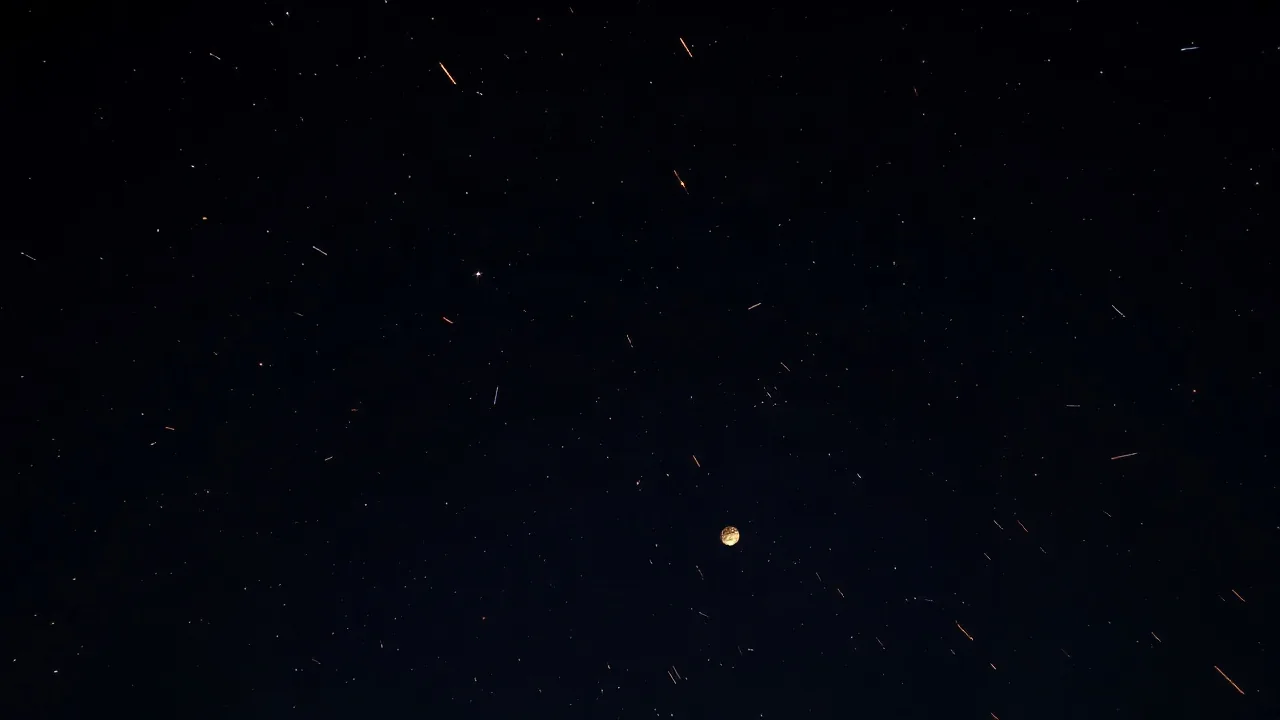
As Halloween approaches, the night sky is preparing to put on a spectacular show for skywatchers across the United States. From eerie cosmic formations to bright shooting stars, October 2026 promises a series of celestial events perfect for the spooky season. The Orionid meteor shower, known for its fast and often bright meteors, is set to peak, offering a dazzling display of cosmic dust burning up in Earth's atmosphere.
One of the highlights for amateur astronomers this year is the potential to observe the asteroid 2100 MS, unofficially nicknamed "Medusa's Eye." This near-Earth asteroid, discovered in 1974, possesses a unique, elongated shape that gives it a somewhat sinister appearance, especially when viewed through powerful telescopes. Its close approach to Earth, though not hazardous, will make it more observable than usual for those equipped to track it.
Cosmic Halloween Horrors and Bright Visitors
Beyond the Orionids and Medusa's Eye, the skies might offer other intriguing sights. Astronomers are monitoring for an increase in bright fireballs, which are exceptionally luminous meteors that can light up the night sky for several seconds. These events are often caused by larger pieces of cometary or asteroid debris entering Earth's atmosphere.
The season also presents opportunities to observe other astronomical phenomena. The constellation Orion, a prominent fixture in the autumn and winter sky, hosts several deep-sky objects, including the Orion Nebula. While not directly related to Halloween, the dark, sprawling nature of space can evoke a sense of wonder and the sublime, fitting for the season.
Historically, celestial events have often been imbued with mystery and folklore. The meteors from the Orionid shower originate from none other than Halley's Comet, a celestial visitor that captured human imagination for centuries. The periodic nature of these showers, returning reliably each year, speaks to the predictable yet awe-inspiring clockwork of the solar system.
For dedicated observers, the chance to witness these events is a yearly pilgrimage. Using apps or star charts can help locate specific celestial targets. Even without specialized equipment, simply stepping outside on a clear night during the peak of the Orionids can yield a memorable experience. The American Meteor Society often tracks and reports on significant meteor activity, providing valuable data for both amateur and professional astronomers.
The ongoing exploration of space, with missions like NASA's Artemis program aiming to return humans to the Moon and eventually Mars, continually reminds us of the vastness and dynamic nature of the cosmos. While these Halloween celestial events are fleeting spectacles, they serve as a beautiful reminder of the universe's grandeur and our place within it.