
Hyundai Boulder SUV Patent Reveals New Design Direction
Hyundai has filed a patent for the Boulder SUV that hints at innovative design and off-road capability. The filing suggests the automaker is preparing a fresh entry into the competitive adventure vehicle segment.

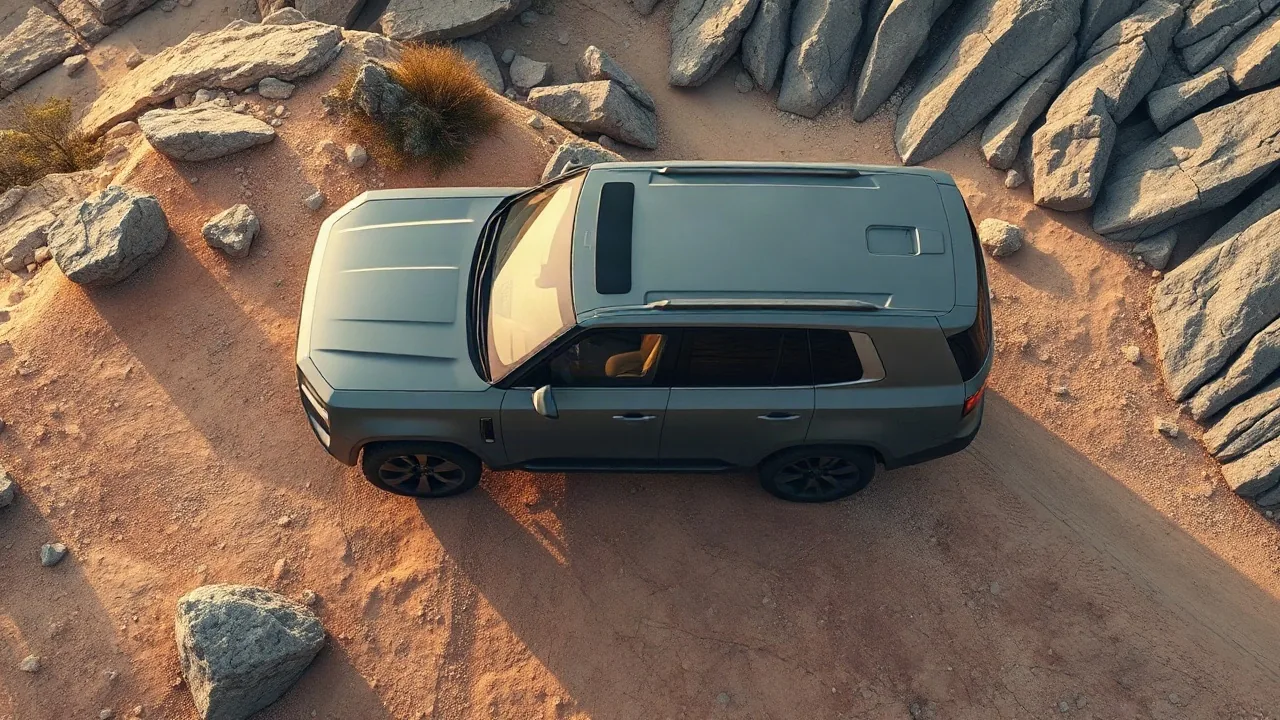
Hyundai Motor Company has filed a new SUV patent for a vehicle codenamed Boulder, signaling the South Korean manufacturer's push into the rugged adventure market. The patent documents, reviewed by automotive design analysts in August 2026, reveal a boxy silhouette with pronounced wheel arches and a modular interior architecture that departs from Hyundai's current lineup aesthetic.
The filing covers design and structural innovations that suggest Hyundai is targeting buyers who prioritize capability and distinctive styling over conventional sedan-focused branding. Patent details indicate features such as a multi-zone roof system, removable interior panels, and reinforced door hinges optimized for off-road terrain exposure.
"This patent reflects a deliberate pivot toward adventure-oriented consumers who want recognition and differentiation," said Dr. Maria Chen, senior analyst at Automotive Futures Group in Detroit. "Hyundai has proven its engineering competence. Now they're betting on design language to capture market share from established off-road brands."
What the Boulder Patent Reveals About Future Design
The patent documents contain three distinct design iterations, each emphasizing a flat roofline and squared-off body panels. These proportions diverge sharply from Hyundai's current Santa Fe and Tucson lines, which favor rounded edges and aerodynamic curves.
Specific technical innovations disclosed in the filing include:
- Recessed roof-mounted storage channels with modular attachment points
- Segmented door frames supporting both hardtop and soft-top configurations
- Reinforced A-pillar and C-pillar structures for increased rollover protection
- Expandable interior cargo dividers optimized for off-road equipment
The Boulder's interior architecture appears flexible by design. Rather than permanent fixed components, the patent shows detachable console units and fold-flat seating that could support sleeping platforms or specialized gear mounting. This modular approach suggests Hyundai intends the vehicle to appeal to overlanding and van-conversion enthusiasts.
Hyundai has not announced an official timeline for Boulder production or official specifications. Company spokesperson Kim Dong-ho declined to confirm launch dates but noted in a brief statement that "Hyundai continues to explore diverse market segments and customer needs through our innovation pipeline."
Market Position and Competitive Impact
The Hyundai Boulder SUV would directly compete with established players in the compact adventure segment, including the Jeep Wrangler, Toyota 4Runner, and Ford Bronco. Each of these vehicles has maintained strong sales momentum through 2026, with the Wrangler particularly dominant among younger buyers aged 25 to 40.
Hyundai's entry carries strategic weight. The automaker has built reputation for value pricing and warranty coverage, offering equivalent capability at lower price points than legacy competitors. If Boulder pricing falls between 42,000 and 58,000 USD, it would undercut both the Ford Bronco and Toyota 4Runner base models.
Industry forecasts from Cox Automotive indicate the adventure SUV segment will grow 12 to 15 percent annually through 2030 in North America. Millennials and Gen Z consumers increasingly prioritize outdoor recreation access, creating demand for purpose-built vehicles with authentic rugged credentials.
Automotive design trends favor functional minimalism and heritage-inspired aesthetics. The Boulder's boxy proportions align with this preference, evoking vintage Bronco and Blazer silhouettes that resonate culturally with adventure tourism audiences.
Hyundai's SUV portfolio currently lacks a true off-road focused model. The Tucson and Santa Fe both emphasize on-road comfort and fuel economy. Adding Boulder to the lineup would create three distinct market tiers: Tucson for urban commuters, Santa Fe for family road trips, and Boulder for enthusiasts seeking backcountry access.
Technology and Feature Speculation
Beyond structural design, the patent hints at advanced car technology integration. Roof-mounted electrical conduits visible in cross-section drawings suggest potential integration with roof-mounted sensors, lighting, or camera systems. These could support enhanced off-road navigation, terrain detection, or autonomous low-speed maneuvering.
Hyundai has invested heavily in electric vehicle platforms since 2023. A Boulder electric or hybrid powertrain remains unconfirmed, but the modular interior design could accommodate battery packs below the cabin floor without compromising cargo space. Such architecture would align with Hyundai's E-GMP platform strategy.
Traditional buyers expect mechanical simplicity in adventure vehicles. Hyundai will face pressure to balance future vehicles technology aspirations with market demand for mechanical transparency and off-grid reliability. A hybrid powertrain would offer fuel efficiency on highway stretches while maintaining petrol engine capability in remote areas lacking charging infrastructure.
The patent filing itself does not guarantee production. Automotive companies file hundreds of design and technology patents annually, many never reaching consumers. However, the Boulder's specificity and multi-variant iterations suggest Hyundai has invested substantial engineering resources into development, signaling serious commercial intent.
Market launch timing remains uncertain, but industry observers anticipate either 2027 or 2028 availability based on typical Hyundai development cycles. Initial production would likely focus on the North American market, with potential Europe and Asia-Pacific expansion following proven sales performance.