
Leonid Meteor Shower Peak Expected to Bring Low Activity This Year
The Leonid meteor shower peaks on Nov. 17, 2026, though experts predict low activity with only about 10 to 15 meteors per hour.

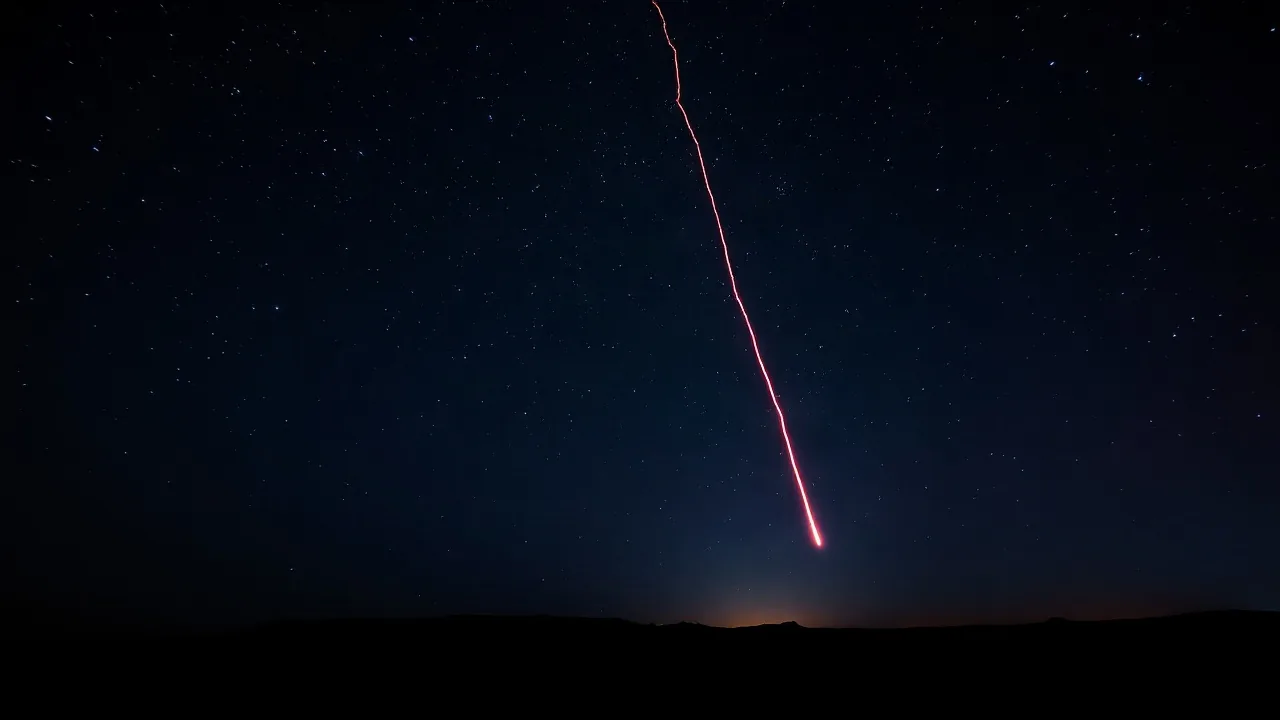
Skywatchers preparing for the annual Leonid meteor shower will experience a relatively quiet display this year. According to the International Meteor Organization’s 2026 meteor shower calendar, the event is expected to reach its regular maximum at 23:45 UTC on Nov. 17, bringing around 15 meteors per hour under ideal conditions. Sixty years ago, the shower produced a staggering 144,000 meteors per hour over parts of the U.S., but current orbital mechanics mean no such storm is anticipated this time.
The Leonids originate from the Tempel-Tuttle comet, which sweeps through the inner solar system every 33.3 years, leaving a dense trail of dusty debris in its wake. When Earth crosses a fresh dust trail, intense meteor storms can occur, as they did in 1833, 1966, 1999, 2001, and 2002. However, the comet is currently far from the sun, resting well beyond the orbit of Saturn. Because Earth will only pass through scattered older particles, hourly counts are expected to remain low.
Expert Forecasts and Future Outbursts
Different forecasters have slightly varying times for the peak. Margaret Campbell-Brown and Peter Brown, meteor experts for the Royal Astronomical Society of Canada, predict the peak will occur at 00:00 hours UTC on Nov. 18. Meanwhile, Russian meteor expert Mikhail Maslov places the peak earlier at 16:00 UTC on Nov. 17. Observers are advised to look toward the constellation Leo after midnight when the radiant point climbs higher into the sky.
Looking further ahead, French meteor expert Jeremie Vaubaillon published research forecasting future Leonid activity through 2100. Although Jupiter is expected to alter the comet’s path in 2029, Vaubaillon anticipates another notable outburst in 2034, with rates potentially reaching up to 2,000 meteors per hour.