
Bright Moon Outshines Delta Aquariids and Alpha Capricornids This Week
Two meteor showers, the Southern Delta Aquariids and Alpha Capricornids, will peak this week but are unlikely to impress due to a nearly full moon. The Perseids in August offer a better viewing opportunity.

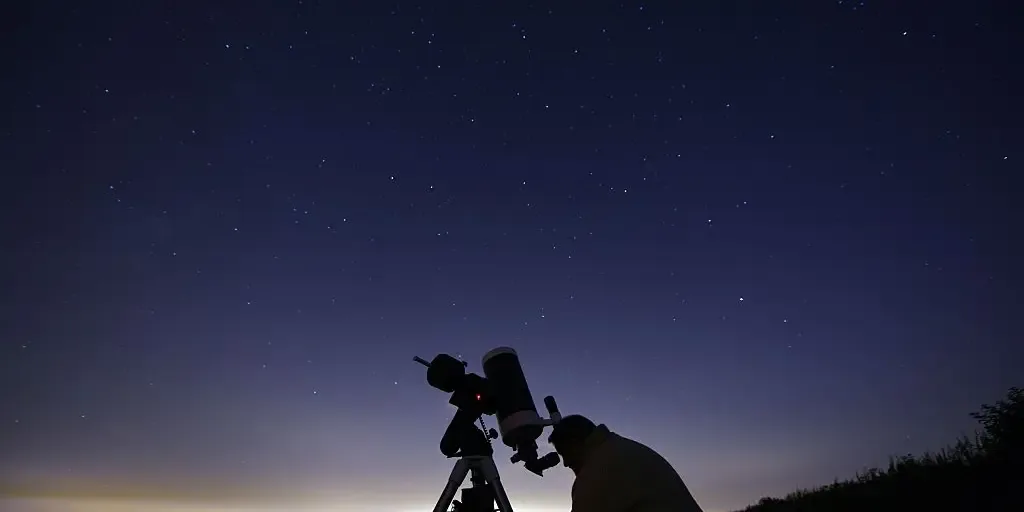
Two meteor showers are set to reach their peak activity overnight between Thursday and Friday, but a bright, nearly full moon is expected to significantly diminish the celestial spectacle for most observers. The Southern Delta Aquariids and the Alpha Capricornids will both be most active just days after the July "Buck Moon" reached its zenith, with the moon still appearing 98% full.
The Southern Delta Aquariids, active annually from July 23 to August 23, are typically best viewed from tropical regions in the Southern Hemisphere. While this shower usually produces a consistent stream of meteors, they are often faint and rarely accompanied by bright fireballs or lingering trails. The Alpha Capricornids, a less prolific shower active from July 12 to August 12, typically yields fewer than five meteors per hour at its peak. However, this shower is occasionally known for producing brilliant fireballs.
August Perseids Offer a Brighter Prospect
For those hoping to witness a more impressive meteor display, the upcoming Perseid meteor shower in August presents a much more favorable opportunity. This popular shower will peak overnight from August 12 to 13, coinciding with moonless skies. Experts anticipate the Perseids could produce up to 100 meteors per hour under optimal conditions, making it a prime event for stargazers across the Northern Hemisphere.
To maximize viewing chances for the current showers, astronomers recommend positioning yourself with the moon behind you or obscured by a natural barrier like a building or trees. The ideal viewing period for both showers is between midnight and dawn. Skywatchers in the southern United States, Mexico, and the Caribbean may have a slightly better vantage point for catching any visible meteors.
No specialized equipment is necessary to observe meteor showers; the naked eye is sufficient for spotting these transient streaks of light. While this week's showers may be subdued, the upcoming Perseids promise a more dramatic and memorable astronomical event in 2026, offering a chance to see a significantly higher rate of shooting stars against a dark sky.