
NASA Delays Boeing Starliner Crewed Mission, Names New Commander
NASA has announced a revised timeline for Boeing's Starliner spacecraft, pushing back the crewed mission to the ISS. A new mission commander has been appointed for a future flight.

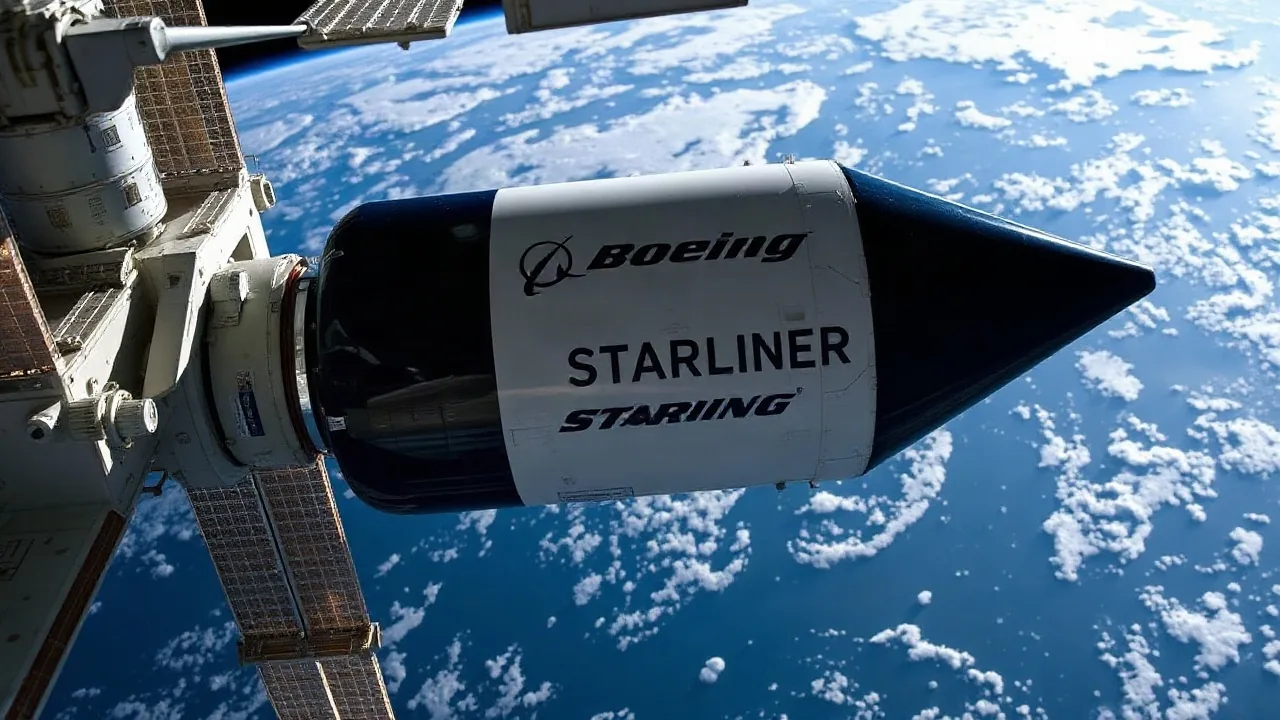
NASA and Boeing are adjusting their strategy for the Commercial Crew Program's Starliner spacecraft, announcing a revised launch schedule for the vehicle's first crewed mission to the International Space Station (ISS). The agency also revealed that veteran astronaut Barry "Butch" Wilmore will command a future Starliner flight, a move underscoring NASA's commitment to the new astronaut transporter despite ongoing development challenges.
The uncrewed flight test, which has already faced multiple delays, is now slated for no earlier than March 2027. This latest adjustment reflects NASA's cautious approach to certifying new spacecraft for human spaceflight, prioritizing crew safety above all else. Boeing's Starliner has encountered a series of technical hurdles during its development, including issues with its propulsion system and parachute design, which have contributed to the extended timeline.
Starliner Faces Continued Scrutiny
The decision to delay the crewed flight test, originally anticipated for late 2026, allows more time for Boeing to address outstanding technical issues and for NASA to meticulously review the data from the uncrewed demonstration mission. The uncrewed flight will carry no astronauts but will test all critical systems, including life support, navigation, and docking, before the agency gives the green light for a crewed ascent.
NASA Administrator Bill Nelson emphasized the agency's dedication to ensuring the safety of astronauts. "We are taking a deliberate and methodical approach to certifying the Starliner spacecraft," Nelson stated in a press briefing. "Our priority is the safety of our astronauts, and we will not launch a crew until all the necessary tests and evaluations are successfully completed."
Barry "Butch" Wilmore, a former Space Shuttle pilot and veteran of four spaceflights, has been assigned as commander of the first crewed Starliner mission. Wilmore's extensive experience is expected to provide a steady hand during the critical initial phase of the program. His selection signals confidence in the Starliner's potential to become a reliable vehicle for transporting astronauts to and from the ISS.
The Commercial Crew Program, a public-private partnership between NASA and private aerospace companies like Boeing and SpaceX, aims to reduce the cost of human spaceflight and ensure continued U.S. access to the ISS. While SpaceX's Crew Dragon has been ferrying astronauts to the station since 2020, the addition of Starliner is crucial for redundancy and provides NASA with more options for crew rotation and emergency contingencies. The successful certification of Starliner is vital for maintaining a robust human spaceflight capability from American soil.
Boeing, a longtime partner of NASA for human spaceflight missions, views Starliner as a critical component of its future in space exploration. The company has invested significant resources into the program, and a successful certification would be a major milestone. "We are working closely with NASA to resolve all outstanding issues and are confident in our ability to deliver a safe and reliable crew transportation system," said a Boeing spokesperson. "We are incredibly excited about the prospect of flying our astronauts soon."
The Starliner development timeline has been protracted since its inception. Initial test flights in 2019 and 2022 revealed anomalies that required extensive investigation and rework. The spacecraft's complex service module, developed by Lockheed Martin, and its parachute system have been areas of particular focus. This renewed focus on rigorous testing and validation reflects lessons learned from previous challenges, aiming to prevent any unforeseen issues during actual crewed missions.