
NASA Suggests Cape Cod Meteorite Likely Iron, Unusually Dense
NASA analysis indicates the recent meteorite that fell into Cape Cod Bay may be composed of iron and possessed an unusually high density, suggesting potential recoverability.

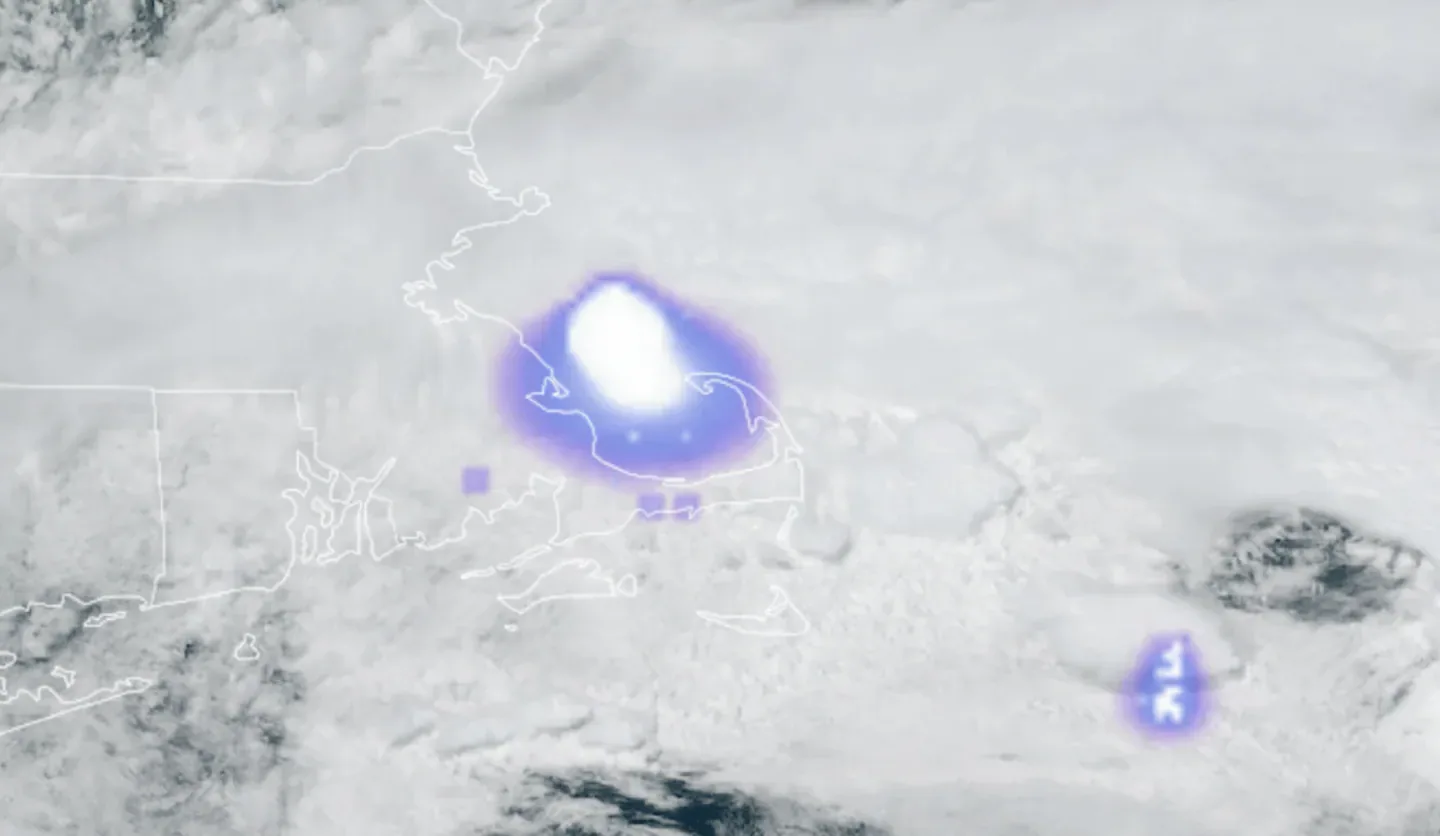
New analysis from NASA suggests the meteorite that streaked across the sky and splashed into Cape Cod Bay on Saturday, June 1st, 2026, may be composed of iron and was unusually dense, making it theoretically recoverable from the ocean floor. Calculations derived from radar observations revealed that the meteoroid disintegrated at a remarkably high altitude of approximately 31 miles, producing very few small fragments, according to NASA's Wednesday statement.
The space agency also posits that the meteor likely entered Earth's atmosphere at a steep angle, deviating from a more typical trajectory. Researchers estimated the object's density at roughly 8,000 kilograms per cubic meter. This figure aligns with densities typical of iron meteorites. However, NASA has cautioned that this density calculation is still considered experimental and requires further verification through additional analysis. The meteor was visible on radar for a significantly shorter duration of about two minutes, in contrast to the usual eight to ten minutes observed in other meteorite falls. This brief appearance indicates the object generated relatively few pieces as it broke apart. The fragments that ultimately reached the bay are believed to be larger than average, with many estimated to weigh between hundreds of grams and several kilograms.
Potential for Recovery
The possibility of recovering meteorites hinges on their composition, particularly if they are primarily made of iron or other magnetic metals, explained Molly Wasser of NASA’s Planetary Science Division. Despite this theoretical possibility, Wasser stated that NASA currently has no plans to attempt a recovery mission. "It would require substantial resources and the ocean contaminates much of the scientific value of the meteorites," Wasser communicated via email. "NASA is also not aware of any plans to conduct a meteorite recovery effort related to this event."
Meanwhile, a buoy situated in Cape Cod Bay did not detect any unusual wave activity around the time of the event, according to Randy Bucciarelli, a GIS programmer at Scripps Institution of Oceanography. "The buoy located in Cape Cod Bay did not pick up anything in relation to the meteor from the bulk data,“ Bucciarelli stated. “Data is averaged over 30-minute intervals and nothing seemed out of the ordinary."
The meteor first appeared streaking across New England skies shortly after 2 p.m. on Saturday, June 1st, 2026. It produced a sonic boom that was felt and heard across the region, rattling homes before ultimately splashing into the waters of Cape Cod Bay. Initial analyses by NASA had estimated the bolide to be approximately 5 feet wide, weighing around 5.6 metric tons, and traveling at a speed of about 42,000 miles per hour upon entering Earth's atmosphere over southern New Hampshire. The agency further reported that the rock traversed about 26 miles through the atmosphere before fracturing and dispersing meteorites into the bay. The event's energy release was equivalent to approximately 230 tons of TNT, according to NASA.
Prior observations of radar imagery showing debris descending toward the water had previously led researchers to conclude that meteorite fragments likely survived their fiery descent and are now resting somewhere on the floor of Cape Cod Bay. The precise composition and whether any recovery efforts will be mounted remain subjects of ongoing scientific interest, though NASA has indicated no immediate plans for such an undertaking. This event underscores the dynamic nature of celestial impacts and the scientific opportunities they present.