
NASA Seeks Private Space Station Proposals in New Industry Call
NASA has formally requested proposals from U.S. industry partners for the development of commercial space stations. The move aims to establish a successor to the International Space Station by the early 2030s.

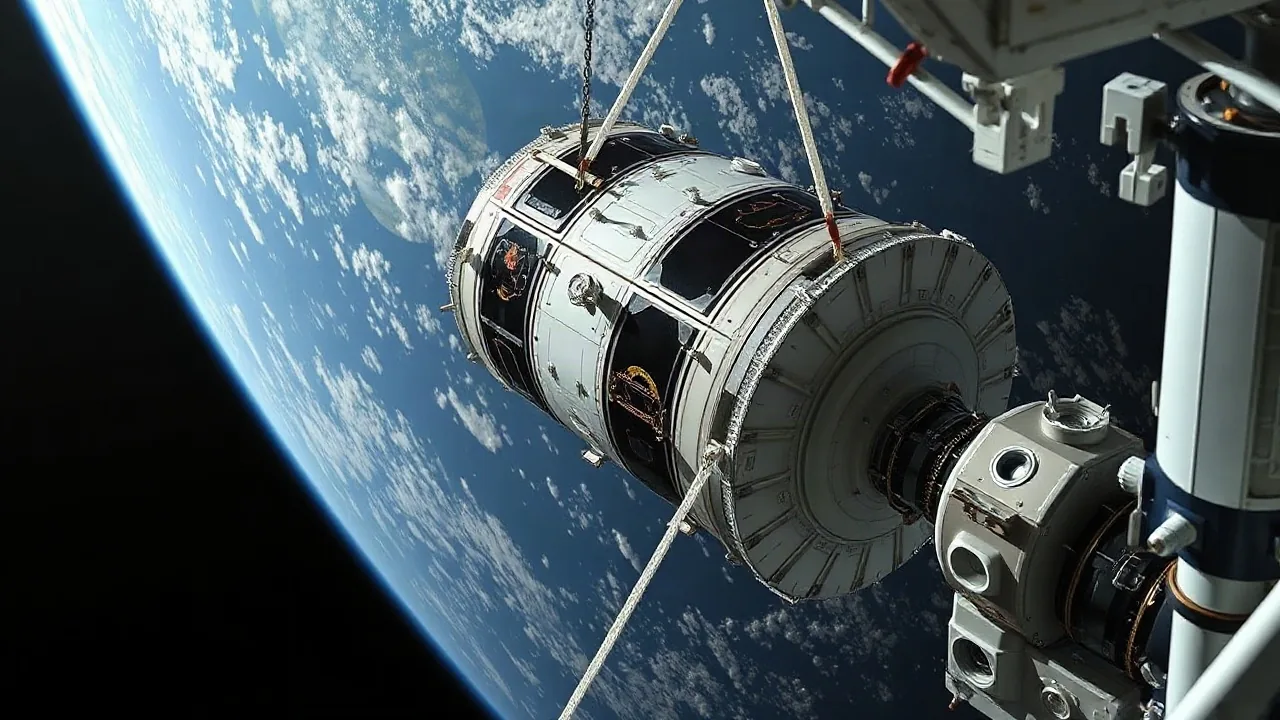
NASA has officially launched a competition to solicit proposals from U.S. companies interested in developing and operating commercial space stations. This long-anticipated move, announced on October 10, 2026, marks a significant step toward ensuring continuous human presence in low Earth orbit after the planned retirement of the International Space Station (ISS) in 2030.
The space agency is seeking detailed plans for stations that can accommodate NASA astronauts, conduct research, and potentially serve commercial purposes. The initiative aims to foster a robust private space economy while reducing NASA's operational costs and freeing up resources for deep space exploration missions. This competitive procurement is a crucial component of NASA's Commercial LEO Destinations (CLD) project.
Transitioning to a Commercial Low Earth Orbit Future
The call for proposals represents NASA's strategy to transition the operation of low Earth orbit facilities to the private sector. The International Space Station, a collaborative project involving multiple countries, has been a cornerstone of space research and international cooperation for over two decades. However, its operational lifespan is nearing its end. NASA's goal is to have at least one commercially owned and operated space station ready to host astronauts before the ISS is decommissioned.
The agency has already invested in several companies working on nascent space station concepts, including Axiom Space, Blue Origin (working with Sierra Space), and Northrop Grumman. These entities have been developing designs and technologies for free-flying commercial space stations. NASA's current request is intended to formalize the process and select the most viable options for future partnership. Companies are expected to demonstrate capabilities in spacecraft design, construction, operation, and safety protocols.
In a statement, NASA Administrator Bill Nelson emphasized the importance of this transition. "We are not just looking for a successor to the ISS; we are fostering an entire ecosystem of commercial space activities in low Earth orbit," Nelson said. "This initiative empowers American industry to build and innovate, ensuring that the United States remains at the forefront of human spaceflight and scientific discovery."
The solicitation specifically asks for proposals that address architectural designs, life support systems, power generation, propulsion, and docking capabilities. It also requires bidders to outline their plans for crewed missions, scientific payloads, and potential commercial revenue streams. The agency plans to award multiple contracts to ensure redundancy and robust development. This competitive environment is expected to drive innovation and cost-effectiveness in space station development.
The development of private space stations is seen as a critical enabler for future space endeavors. These platforms could serve as vital testbeds for technologies needed for long-duration missions to the Moon and Mars, as well as hubs for space tourism, in-orbit manufacturing, and advanced research in microgravity. The success of this program is vital for maintaining U.S. leadership in space and for nurturing the burgeoning commercial spaceflight industry.
NASA expects to receive proposals by early 2027, with selections anticipated later that year. The agency plans to provide partial funding and technical expertise to selected partners throughout the development and operational phases. This collaborative approach aims to mitigate risks for private companies while ensuring that the scientific and operational requirements of NASA are met. The transition to commercial space stations represents a paradigm shift in how humanity utilizes and expands its presence in orbit.