
NASA Swift Telescope Rescue Mission Launched by Private Spacecraft
NASA's iconic Swift space telescope is being rescued from atmospheric burn-up by a private spacecraft launched Friday. The mission aims to extend the observatory's scientific life by years.

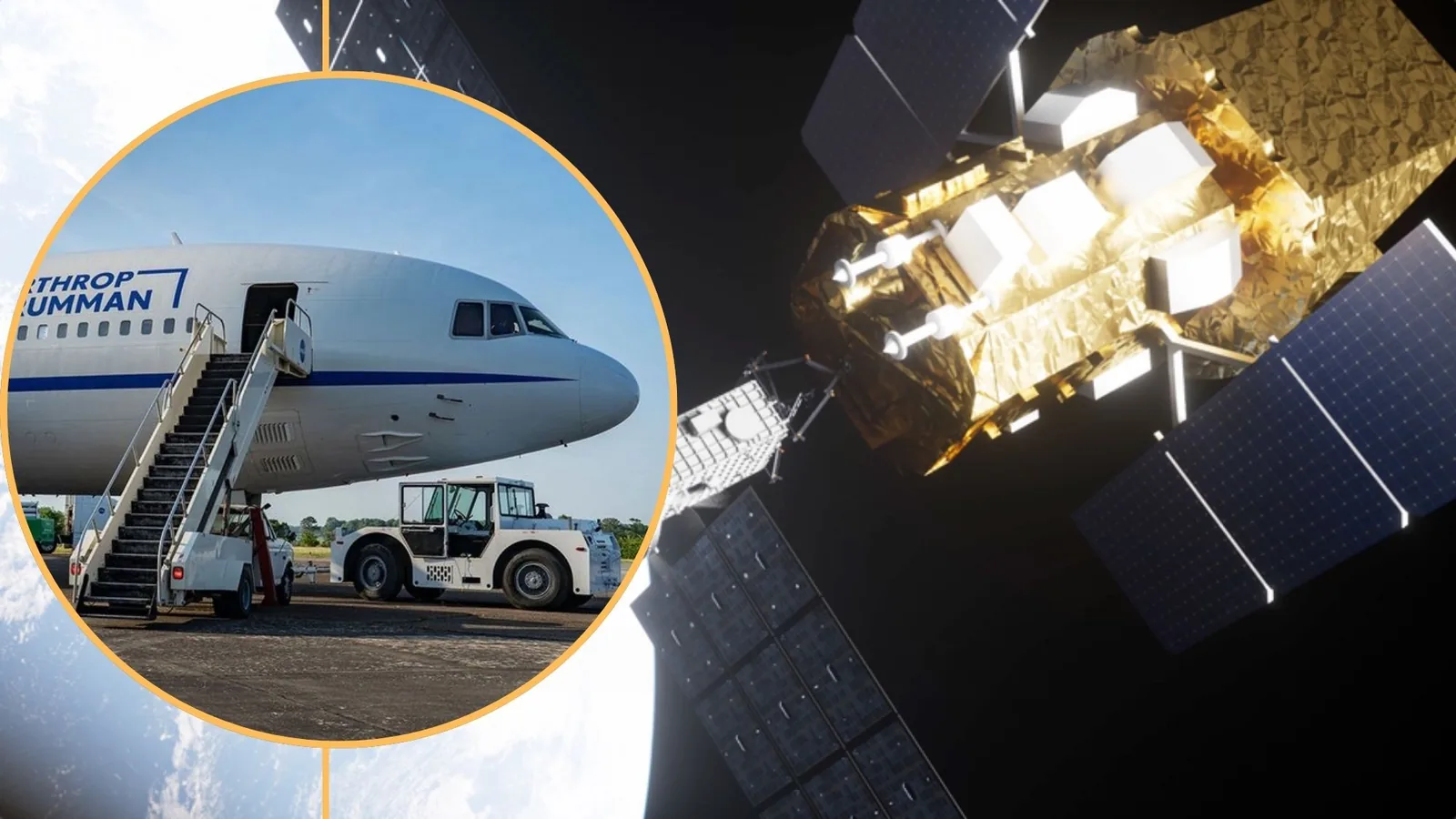
A critical mission to save NASA's Neil Gehrels Swift Observatory from burning up in Earth's atmosphere successfully launched on Friday, July 3, 2026. The LINK satellite, developed by Arizona-based Katalyst Space Technologies, was deployed by a Northrop Grumman Pegasus XL rocket from its L-1011 Stargazer carrier jet above the Marshall Islands. This specialized rescue operation aims to rendezvous with the aging observatory and tow it to a more stable orbit, averting its planned demise. The launch marked the final flight for the air-launched Pegasus XL rocket, which has a history dating back to 1990.
The Swift Boost mission is a testament to innovative solutions in space exploration, particularly for aging assets. Swift, a $500 million observatory launched in November 2004, has been instrumental in studying gamma-ray bursts and other high-energy cosmic events. Despite its extensive operational life of over two decades, its orbit has begun to decay, a situation exacerbated by recent solar activity that has increased atmospheric drag. Swift was not originally designed for in-orbit servicing, lacking the necessary thrusters to correct its orbital path.
Robotic arms to secure aging observatory
The LINK satellite, standing approximately 4.9 feet tall, is equipped with advanced robotic arms designed to carefully grapple Swift, which measures about 12.7 feet long. Before initiating the capture, the Katalyst spacecraft will spend two to three weeks observing Swift to identify the most secure points for attachment. Following a successful capture, LINK will engage its gentle ion thrusters. Over the subsequent months, these thrusters will gradually increase the combined orbit of both spacecraft, aiming to return Swift to its operational altitude of roughly 373 miles (600 km). This process is expected to extend the observatory's functional lifespan by several years.
This ambitious undertaking represents the first time a private spacecraft will attempt to capture and service an uncrewed U.S. government satellite. NASA awarded the contract to Katalyst Space Technologies in September 2025, providing a tight timeline of less than a year for the design, manufacturing, and testing of the LINK satellite. The entire Swift rescue operation, including the specialized launch and the LINK satellite's development, cost NASA approximately $30 million. This figure is significantly less than the cost of replacing Swift's unique scientific capabilities.
According to NASA's Swift Boost mission page, allowing Swift to re-enter the atmosphere was an option, but the situation presented a unique opportunity. "While NASA could have allowed Swift to re-enter the atmosphere, the situation presented an opportunity to demonstrate a key capability for the future of space exploration. This daring approach also extends Swift’s scientific lifetime and is more affordable than replacing the observatory’s unique capabilities," the agency stated. The successful deployment of LINK by the Pegasus XL rocket underscores the adaptability of air-launched systems for reaching specific orbital inclinations, a capability that proved vital for this particular mission.