
Northern Lights Visible in 10 States Tonight: Aurora Forecast
The aurora borealis may be visible in up to 10 U.S. states on Friday night, according to NOAA. Best viewing times are between 10 p.m. and 2 a.m. under dark skies.

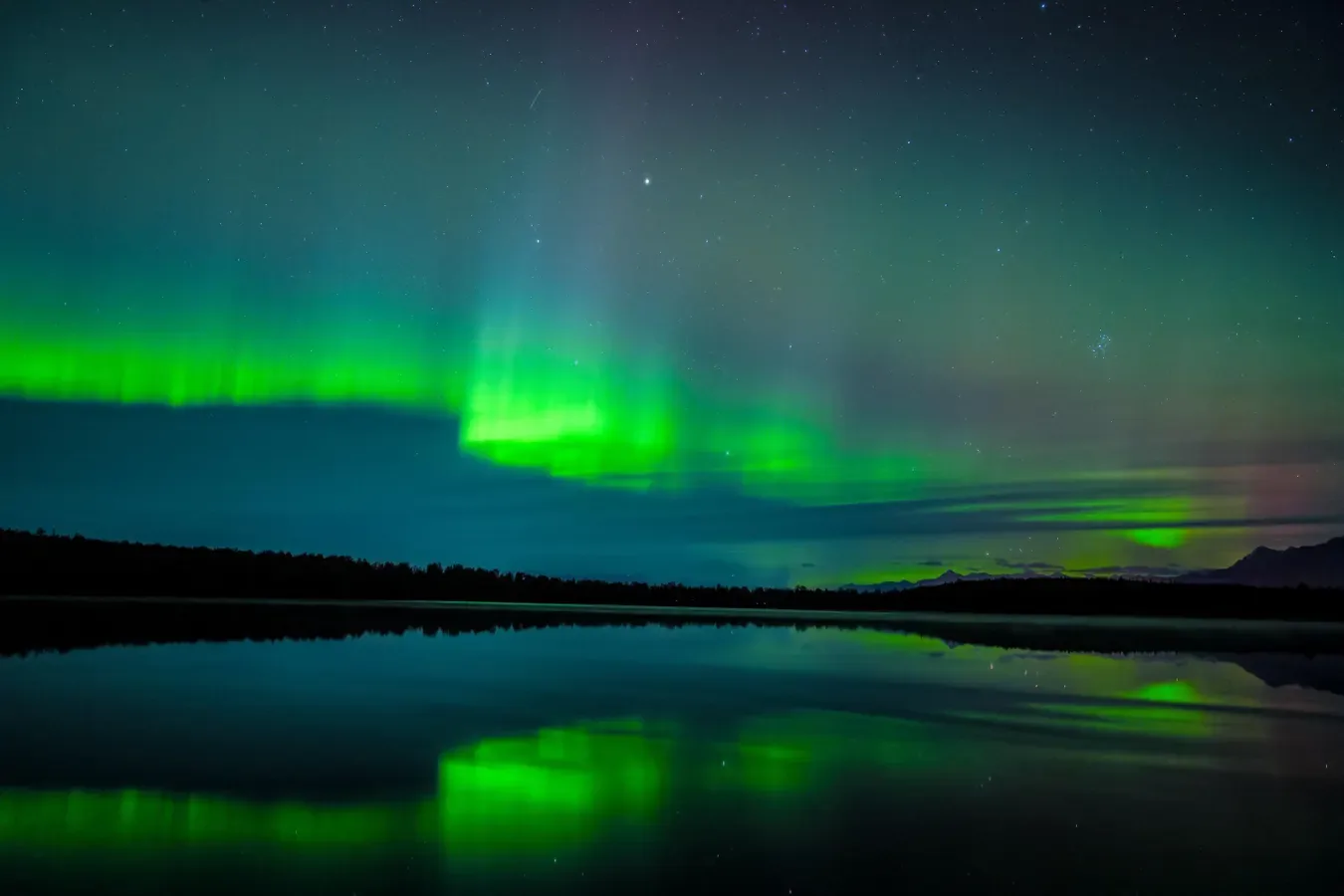
The northern lights are forecast to be visible in as many as 10 U.S. states Friday night, with mild auroral activity anticipated ahead of the weekend. The National Oceanic and Atmospheric Administration (NOAA) released data indicating potential viewing opportunities across the northern tier of the contiguous United States.
Areas with a chance to witness the aurora borealis include northern Washington, the northern tip of Idaho, much of Montana, Wyoming near the Montana border, North Dakota, northern South Dakota, northern Minnesota, the northern tip of Wisconsin, the Upper Peninsula of Michigan, and northern Michigan. For residents of Alaska, the likelihood of seeing the spectacular light display is significantly higher than in the lower 48 states.
Optimizing Your Viewing and Photography Experience
For those hoping to catch a glimpse of the aurora, experts recommend viewing between 10 p.m. and 2 a.m. local time. Seeking out locations with minimal light pollution and high vantage points can greatly enhance visibility. While Friday night coincides with a full moon, which can reduce contrast, the aurora's potential brightness may still offer a memorable experience. Photographers should prepare for the conditions; smartphone users are advised to disable flash and utilize night mode if available. Those with digital cameras should employ low apertures, wide-angle lenses, and stable tripods for the best results.
This forecast comes at an interesting time for solar activity. Auroral displays, like the northern lights, are a product of solar storms interacting with Earth's atmosphere. While the sun experienced a peak in its 11-year solar cycle in 2024, leading to some of the most intense aurora borealis showings in approximately 500 years, activity has since begun to taper off. Projections suggest a further decrease in solar activity by 2027. Therefore, this year presents a favorable window for viewing the northern lights as the intensity wanes from the solar cycle's zenith.