
Reflect Orbital Gets FCC Nod for Space Mirror Launch
Reflect Orbital received FCC approval to launch its first space mirror satellite, Eärendil-1, aiming to beam sunlight to Earth. Tens of thousands more could follow.

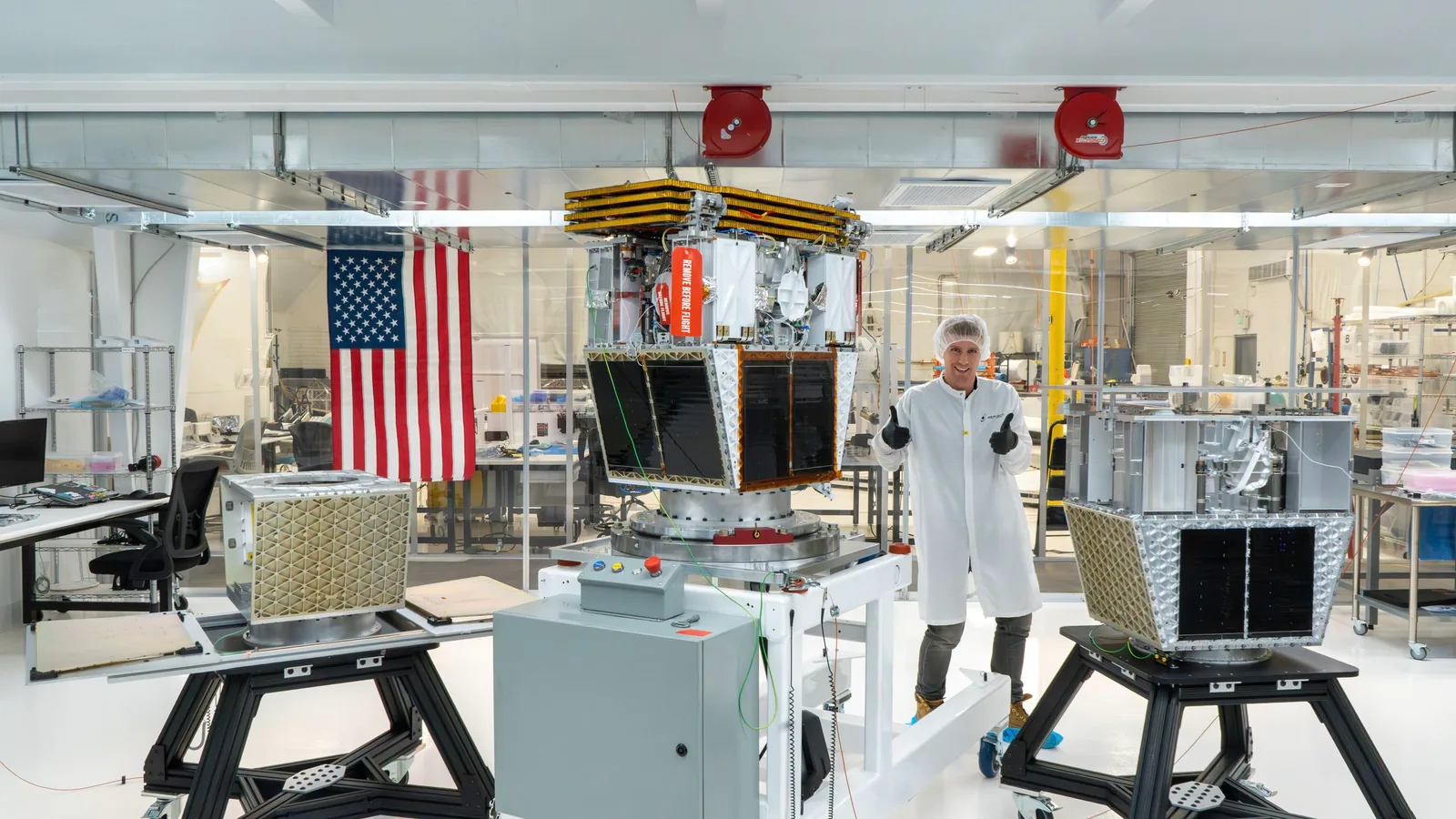
California-based startup Reflect Orbital has secured a crucial license from the U.S. Federal Communications Commission (FCC) to proceed with launching its inaugural demonstration satellite. The spacecraft, designated Eärendil-1, is slated for a late 2026 launch and is designed to deploy a massive reflective surface, approximately 60 feet per side, to direct sunlight towards Earth.
This authorization marks a significant milestone for Reflect Orbital, which envisions a constellation of potentially 50,000 or more similar mirror-craft operating in low Earth orbit by 2035. The company aims to provide a novel, clean energy solution by beaming reflected sunlight to various customers on the ground, offering the prospect of extended daylight for numerous applications.
"We're grateful to the FCC for recognizing the importance of testing novel technologies in space," said Ben Nowack, Reflect Orbital's co-founder and CEO, in a statement released Friday, July 10, 2026. "This license is the first step toward rigorously testing our technology's efficacy and the safeguards we have developed," he added. "We're excited to demonstrate how our technology works and to introduce transformative, clean technology the world urgently needs."
Potential Applications and Environmental Concerns
Reflect Orbital asserts that its technology holds immense potential across a wide array of industries. The company's website highlights possibilities such as dramatically reducing search-and-rescue times, providing continuous, carbon-neutral street lighting for cities, and enabling construction projects to proceed around the clock. Furthermore, the planned constellation could significantly boost the productivity of terrestrial solar arrays, thereby increasing reliance on clean electricity over fossil fuels.
However, the ambitious plans have not been met without scrutiny. The proliferation of large satellite constellations, such as those proposed by Reflect Orbital, has sparked debate regarding potential impacts on astronomy and the night sky. Concerns also exist regarding the atmospheric consequences of deorbiting thousands of satellites, including the potential release of heavy metals. Specifically, Reflect Orbital's proposal raises alarms about introducing a new form of light pollution.
John Barentine, an astronomer at the Silverado Hills Observatory and a consultant with Dark Sky Consulting, previously cautioned about the intensity of the reflected beams. "The beam reflected by these satellites is very intense, four times brighter than the full moon, and they will be flying multiple satellites in a formation," Barentine explained. "That will have an effect on wildlife in the directly illuminated area, but also, through atmospheric scattering, on the surrounding areas as well."
Reflect Orbital maintains that it is implementing robust safety measures to mitigate these potential issues. The company emphasizes its design incorporates three primary safeguards: ensuring the light beam is contained within a specific spot, the ability to switch the light off instantly, and the capacity to avoid sensitive areas like research observatories or protected habitats. According to the company, the light intensity will not be sufficient to cause fires or harm eyesight, even when viewed through a telescope, and cannot exceed the maximum natural sunlight irradiance.
The FCC's approval of Reflect Orbital's demonstration satellite signifies a willingness to explore innovative space technologies. The coming months will be critical as the company prepares for its initial launch, with the world watching to see if this new form of solar illumination can fulfill its promise of clean energy and enhanced capabilities without unduly impacting Earth's environment.