
Space Data Centers Face Criticism Over Environmental Review Lack
Environmental groups are demanding federal reviews for proposed space-based data centers, warning of potential harm to the atmosphere, wildlife, and night skies from a million new satellites.

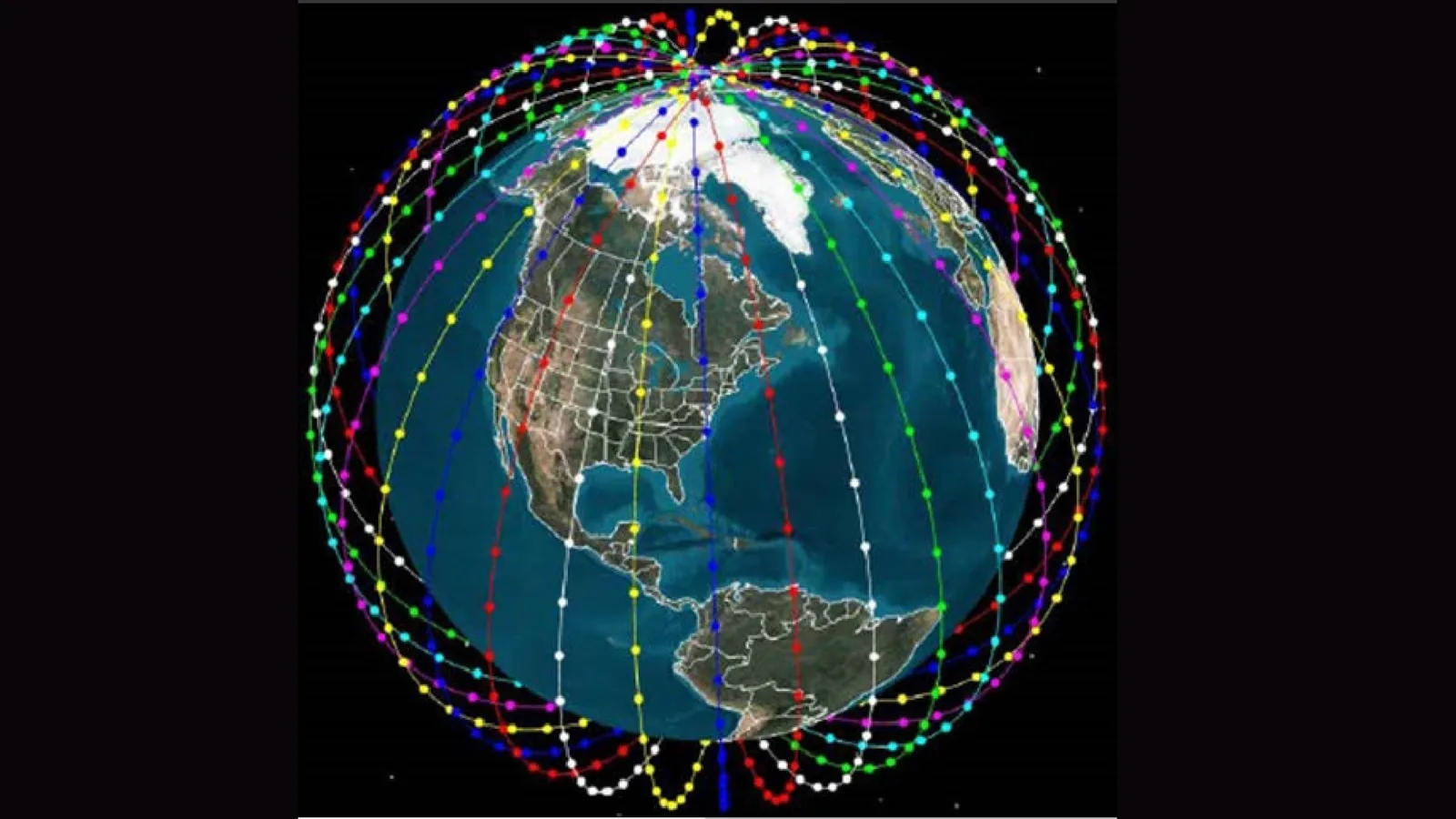
A coalition of environmental and scientific organizations is urging the U.S. Federal Communications Commission (FCC) to conduct thorough environmental reviews for burgeoning space-based data center projects. These ventures propose launching over a million new satellites into Earth's orbit, a move critics argue lacks necessary oversight and carries significant environmental risks.
Several companies have recently sought FCC licenses to establish data centers in space. Among the most ambitious is SpaceX, which has requested authorization for as many as one million satellites in low Earth orbit (LEO). However, these license requests have so far omitted any assessment of the potential environmental impact these satellites, particularly en masse, could have on the darkness of the night sky, terrestrial wildlife, or Earth's atmosphere.
In response to this perceived regulatory gap, a group of organizations, represented by the nonprofit Earthjustice, has filed a petition with the FCC. "Allowing a million orbiting data centers with no environmental review isn’t just irresponsible — it’s reckless," stated Tim Whitehouse, executive director of Public Employees for Environmental Responsibility, on Wednesday. "The potential for these projects to degrade the atmosphere with pollution and debris and harm wildlife needs to be carefully considered before licensing these projects."
Orbital Expansion and Potential Impacts
While space is vast, the addition of a million satellites specifically for data center operations would represent a dramatic increase in orbital population. Currently, Earth orbit hosts approximately 15,000 active satellites and 46,000 tracked objects. This number was already projected to climb to 58,000 active satellites, largely due to SpaceX's expanding Starlink megaconstellation. The new data center proposals could exponentially accelerate this growth.
Experts warn that such a substantial augmentation of the technological ecosystem in orbit could have severe repercussions for life on Earth. "Drastically expanding satellites in space has a direct impact on people’s everyday lives as well as the future of our planet," Jan Hasselman, senior attorney at Earthjustice, said in the statement. "Agencies that authorize companies looking to space as the next frontier still must operate within the law, and the law requires the FCC to consider all the risks and impacts of these proposals. If we have to sue so that they comply, we will."
The FCC has not historically mandated environmental reviews for satellite companies seeking LEO authorization. The petition from the coalition aims to compel the FCC to cease granting licenses for orbiting data centers without a prior environmental impact assessment. Concerns cited by the groups include the increased likelihood of satellite collisions, which could generate orbital debris and heighten the risk of further impacts. Additionally, the rocket launches required to deploy these satellites contribute greenhouse gas emissions to the atmosphere. The process of deorbiting satellites also poses a threat, releasing heavy metals and other substances as they burn up in Earth's air.
A significant increase in satellites will also fundamentally alter the appearance of the night sky. Light pollution from satellites is known to disrupt wildlife, interfering with natural cycles such as migration and feeding. For instance, it can hinder bats from accessing vital insect prey windows, potentially leading to starvation. Apex predators like mountain lions, crucial for ecosystem balance, might find their nocturnal roaming patterns disrupted, leading to population fragmentation over time, according to the National Wildlife Federation. The cumulative effect of a million new, blinking satellites would amplify these disruptions. The implications extend to human observation of the cosmos as well, as the night sky would become far more crowded with artificial lights.
"These projects could permanently alter the night sky as we know it," stated Ruskin Hartley, executive director of DarkSky International. "The FCC needs to take seriously its obligation to ensure these projects do not cause unnecessary harm to naturally dark skies, or to our overall environment."