
SpaceX Ownership Structure: Who Controls the Aerospace Giant
Elon Musk remains the majority shareholder and CEO of SpaceX, which has expanded its ownership base through multiple funding rounds involving institutional investors and employee stock options since its 2002 founding.

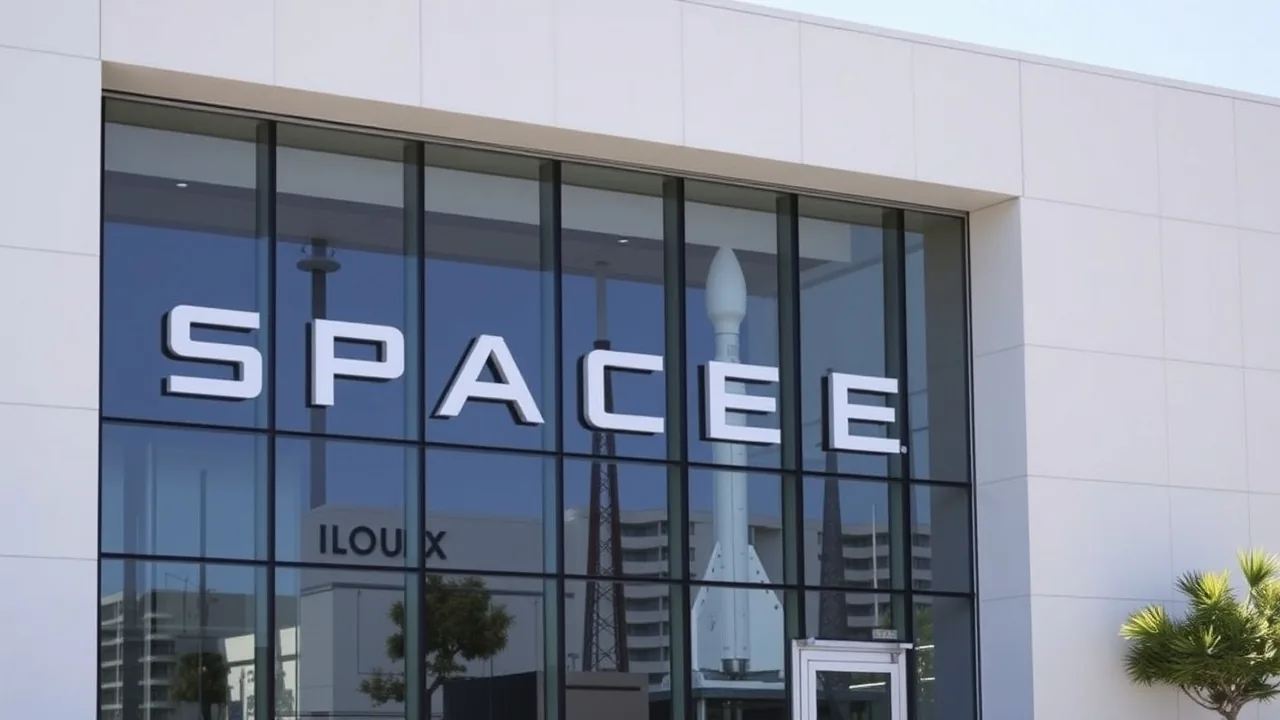
Elon Musk founded SpaceX in 2002 with the goal of reducing space transportation costs and enabling Mars colonization, and he remains the company's largest shareholder and chief engineer today. While Musk's personal stake has been diluted through successive rounds of venture capital and institutional investment, he retains operational control as CEO and maintains a controlling interest in the privately held aerospace firm.
The question of who owns SpaceX is more complex than simply naming Musk. The company's cap table includes early venture backers like Founders Fund and Draper Fisher Jurvetson, later-stage investors such as Google and Fidelity, and more recent stakeholders including the Saudi Public Investment Fund and Sequoia Capital. SpaceX has never gone public, allowing Musk to preserve voting control without the pressure of quarterly earnings reports.
As of May 2026, the exact current ownership percentages remain undisclosed because SpaceX is private. However, regulatory filings and investor announcements over the past five years show a pattern of Musk's stake gradually declining from reported highs near 60 percent in the early 2010s to estimates in the low-to-mid 40 percent range today. This decline reflects the company's valuation climb to approximately $180 billion in recent private funding rounds.
The Investor Coalition Behind SpaceX
SpaceX has raised over $15 billion in total funding across multiple rounds, with the most recent Series J in March 2024 valuing the company at $180 billion. Major institutional investors now hold significant stakes alongside Musk and early employees. According to venture capital analyst Sarah Chen at Liftoff Ventures, "SpaceX's cap table represents one of the most sophisticated blends of early-stage risk capital and late-stage institutional money in private aerospace; few companies command such diverse backing while maintaining founder control."
Key stakeholders include:
- Founders Fund and early venture partners who backed the company's first years and Falcon 1 launches
- Google and Fidelity, which invested during the mid-2010s expansion phase
- Saudi Arabia's Public Investment Fund, which joined in 2023 with a reported $500 million commitment
- Sequoia Capital, which has maintained involvement in recent funding rounds
- Employee stock option holders, representing thousands of SpaceX workers across Texas, California, and Florida facilities
Each funding round has been structured to allow Musk to retain voting control while diluting his percentage ownership. This structure is not unusual in founder-led aerospace and technology firms, but it does mean that SpaceX's strategic direction reflects Musk's vision rather than a board consensus that might emerge at a public company.
Why Private Ownership Matters for SpaceX and the Industry
SpaceX's status as a privately held company, controlled by Musk, has direct implications for its business decisions and long-term strategy. The Starship development program, which aims to build a fully reusable super-heavy lift vehicle, has consumed billions in capital without generating immediate revenue. A public company might face shareholder pressure to cut losses or accelerate profitability, but SpaceX's private structure allows sustained investment in what Musk views as essential infrastructure for Mars settlement.
Musk has been vocal about this advantage. In a May 2025 interview at the Kennedy Space Center, he stated, "Being private means we can take 10-year bets on technology that no public company would touch. Our investors and board understand that colonizing Mars takes decades of R&D before it produces returns." This long-term orientation influences hiring, facility expansion, and the company's willingness to iterate rapidly on Starship prototypes even after test failures.
The NASA relationship also depends on SpaceX's ownership structure. NASA contracts for crew and cargo resupply, as well as national security aerospace missions, involve security reviews and supplier agreements that assume continuity of Musk's leadership. Any significant change in control would likely trigger regulatory scrutiny and potential contract renegotiation.
From a broader industry perspective, SpaceX's private ownership under Musk has enabled rapid iteration and lower costs than traditional defense contractors like Lockheed Martin or Boeing. The company's reusable rocket technology, demonstrated through hundreds of Falcon 9 landings, fundamentally shifted market expectations about launch services. Competitors and analysts attribute much of this disruption to Musk's ability to make bold technical bets without quarterly financial pressure.
Speculation about SpaceX's eventual exit strategy, whether through acquisition or a future IPO, periodically resurfaces in financial media. As of May 2026, Musk has shown no public interest in either path. In fact, his acquisition of Twitter in 2022 and subsequent private ownership of that platform parallels his philosophy: he prefers controlling his ventures without answering to public market shareholders.
Employee ownership is another significant but often overlooked aspect of SpaceX's structure. The company offers restricted stock units and options to engineers, technicians, and support staff across its facilities. These holdings represent both an incentive alignment tool and a substantial wealth component for thousands of SpaceX workers, creating a vested employee base in the company's success.
The ownership question matters not only to investors and regulators but also to customers and partners evaluating SpaceX's stability and direction. For government agencies, commercial satellite operators, and emerging space companies seeking launch services, SpaceX's private control under Musk translates to predictable strategic focus on launch capacity, reusability, and cost reduction. Whether that model persists as private space matures remains one of the industry's open questions.