
SpaceX to Quiet Florida Space Coast Ahead of Starship Launches
SpaceX will significantly reduce launches from Florida's busy spaceport until its Starship program begins, shifting Starlink missions to its California base.

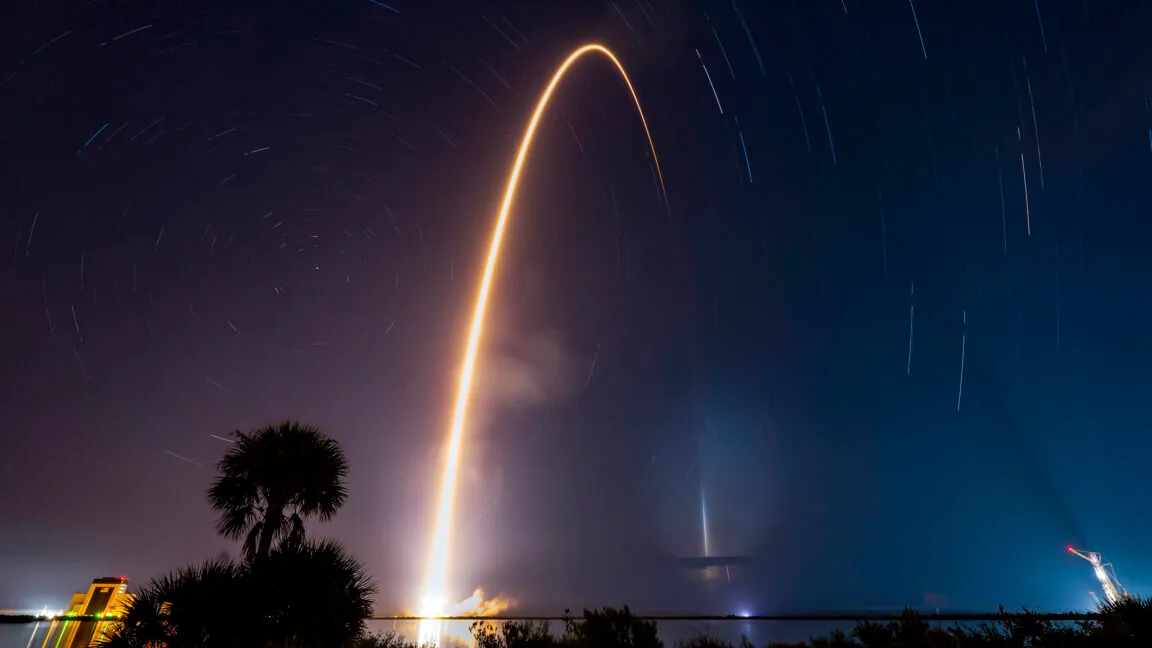
SpaceX is poised to dramatically reduce its launch tempo from Florida's Space Coast for the remainder of 2026, a major shift for the world's busiest spaceport, as the company pivots toward its next-generation Starship vehicle. The decision means the launch rate at the combined Cape Canaveral Space Force Station and NASA's Kennedy Space Center facilities could drop from an average of eight to nine missions per month to as few as two.
The change comes as SpaceX prioritizes the development and deployment of its Starship program. Kiko Dontchev, vice president of launch at SpaceX, confirmed that Starlink missions originating from Florida will now exclusively utilize Starship. "From here on, Starlink missions out of Florida will fly on Starship," Dontchev stated via X. "The West Coast team will continue regularly launching Starlink from Vandenberg." This strategic realignment will see more Starlink deployments originating from SpaceX's West Coast launch pad at Vandenberg Space Force Base in California.
This marks a significant departure from the recent past. For the last decade, Florida's Space Coast has been the epicenter of global space activity, largely driven by SpaceX's workhorse Falcon 9 rocket. In 2025, SpaceX conducted 165 Falcon 9 launches, averaging three flights weekly, with approximately 75 percent dedicated to deploying satellites for its Starlink internet constellation. The spaceport has not yielded its top global position for space launches since 2015.
Context and Future Outlook
The transition reflects SpaceX's long-term vision to eventually phase out the Falcon 9, particularly for commercial endeavors, in favor of the larger and more capable Starship. This move has sparked some concern among SpaceX customers regarding launch service availability beyond 2028. However, SpaceX maintains its target to commence Starship and Super Heavy booster launches from Launch Complex 39A at Kennedy Space Center by the end of 2026. This timeline appears ambitious given the remaining work required at the launch site and the lack of imminent Super Heavy transport from SpaceX's South Texas facility.
Starship is designed to carry significantly more payload than the Falcon 9, capable of lofting up to 60 of the larger Starlink Version 3 satellites. The upcoming test flight of Starship, Flight 14, is slated to carry the first Starlink V3s into orbit from Starbase, Texas, potentially as early as September 2026. A more realistic debut for Starship launches from Kennedy Space Center might be mid-2027.
Despite the slowdown in routine Starlink deployments from Florida, the spaceport will still host critical missions. Tuesday's final Starlink flight from Cape Canaveral was also notable as the 37th flight for its lead Falcon 9 first stage booster, setting a new record for reliability and flight history. Looking ahead, a Falcon Heavy rocket is scheduled to launch on August 30, carrying NASA's Nancy Grace Roman Space Telescope. Following that, a Falcon 9 mission in mid-September will transport the next four-person crew to the International Space Station. These upcoming flights underscore that while the cadence is changing, Florida's role in vital space missions remains paramount.