
SpaceX Starship Flight 15 Success Ushers in Next Phase of Rocket Reuse
Following a historic first-ever catch of the Starship upper stage by launch pad arms, SpaceX looks toward rapid reflight, orbital refueling, and lunar missions.

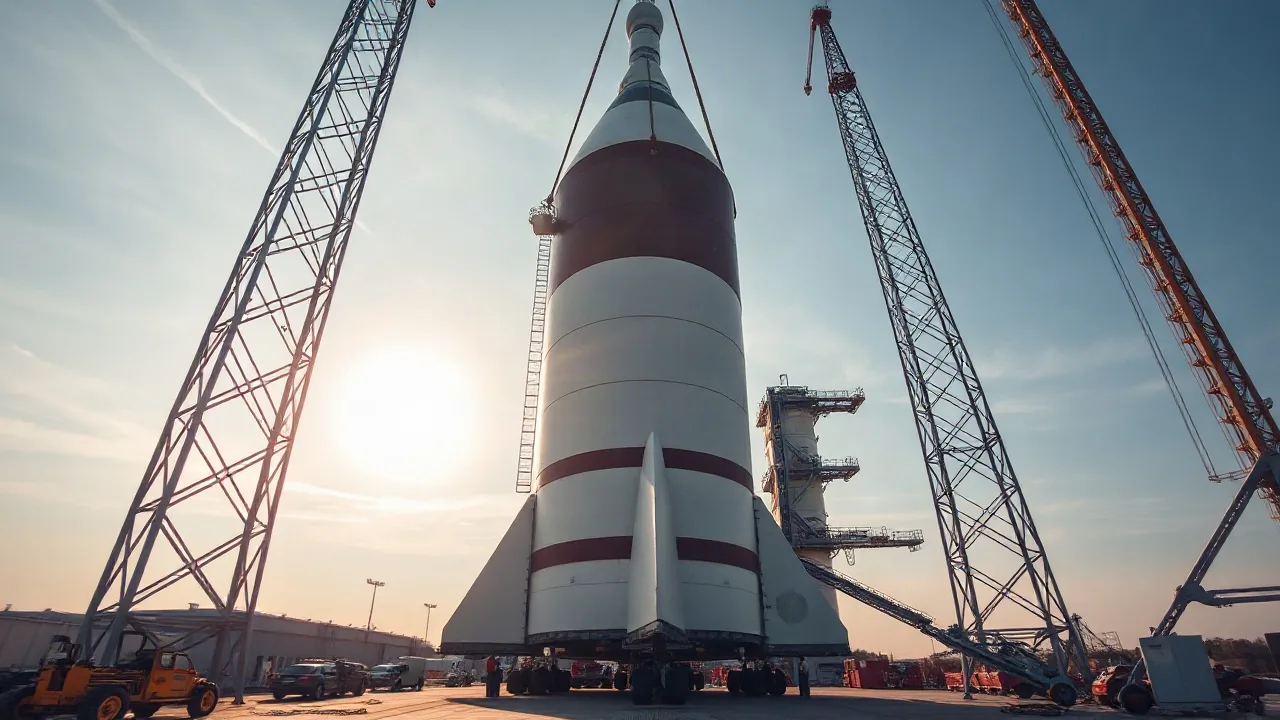
Following a historic milestone in aerospace engineering, SpaceX is charting its path forward after successfully capturing a Starship upper stage with launch tower arms during its 15th test flight. The megarocket lifted off on Friday, Nov. 13, on an ambitious mission to retrieve both elements at the Starbase site in Texas. While the Super Heavy booster diverted to a Gulf of Mexico splashdown due to a low-fuel alarm, the upper stage returned from orbit on Saturday, Nov. 14, 22.5 hours after launch, to be securely caught by the pad's mechanical arms.
While SpaceX has previously caught the Super Heavy booster on three separate test flights, capturing the Ship upper stage marked an entirely unprecedented achievement. Because the upper stage flies significantly higher and faster than the booster, its return trajectory involves considerably greater technical risks. “That was the holy grail of spaceflight, plummeting through fire to be snatched out of the air by steel,” SpaceX spokesperson Dan Huot said during the company's landing webcast on Saturday. “We caught a Starship, and now everything changes.”
The successful maneuver serves as a preview of standard operational procedures moving forward. According to the company, this recovery strategy is designed to facilitate rapid inspection, refurbishment, and reflight. Chief Executive Officer Elon Musk has previously outlined a target of 10,000 Starship launches per year by 2030, equating to a frequency of more than one liftoff every hour on average. This high-cadence operation is intended to support massive upcoming projects, including the next-generation Starlink V3 broadband network featuring 100,000 satellites and a planned Starmind artificial intelligence data-center constellation ten times that size.
Refurbishment, Lunar Landers, and Orbital Refueling Challenges
Despite the triumph of the recent flight, significant developmental milestones remain ahead. SpaceX must still demonstrate rapid turnaround times and reflight capabilities for the Ship upper stage, having previously reflown Super Heavy boosters on two separate occasions following months of separation between flights. Beyond routine Earth orbit operations, the vehicle is slated to play a critical role in deep-space exploration.
NASA selected the Ship upper stage to serve as the initial crewed lunar lander for the Artemis program, aiming to establish a base near the lunar south pole by 2032. Current scheduling points to the Artemis IV mission in 2028 for the first astronaut landing. To prepare, SpaceX is actively developing a crew cabin and life-support system, with an agency presentation indicating that a full-scale ground prototype designated “Cabin 1” is on track for completion by the end of the year.
Additionally, deep-space missions will require propellant transfer operations in low Earth orbit via dedicated tanker variants. Because launching the vehicle with full tanks is structurally unfeasible, the system must master cryogenic liquid oxygen and liquid methane transfers in space. Meeting these rigorous technical demands is vital, as NASA retains the option to utilize alternative providers such as Blue Origin if lunar lander timelines slip.