
AI election analysis decoded 2026 US voting results
Artificial intelligence systems rapidly processed 2026 election data, revealing voter behavior patterns and demographic shifts across the country in real time.

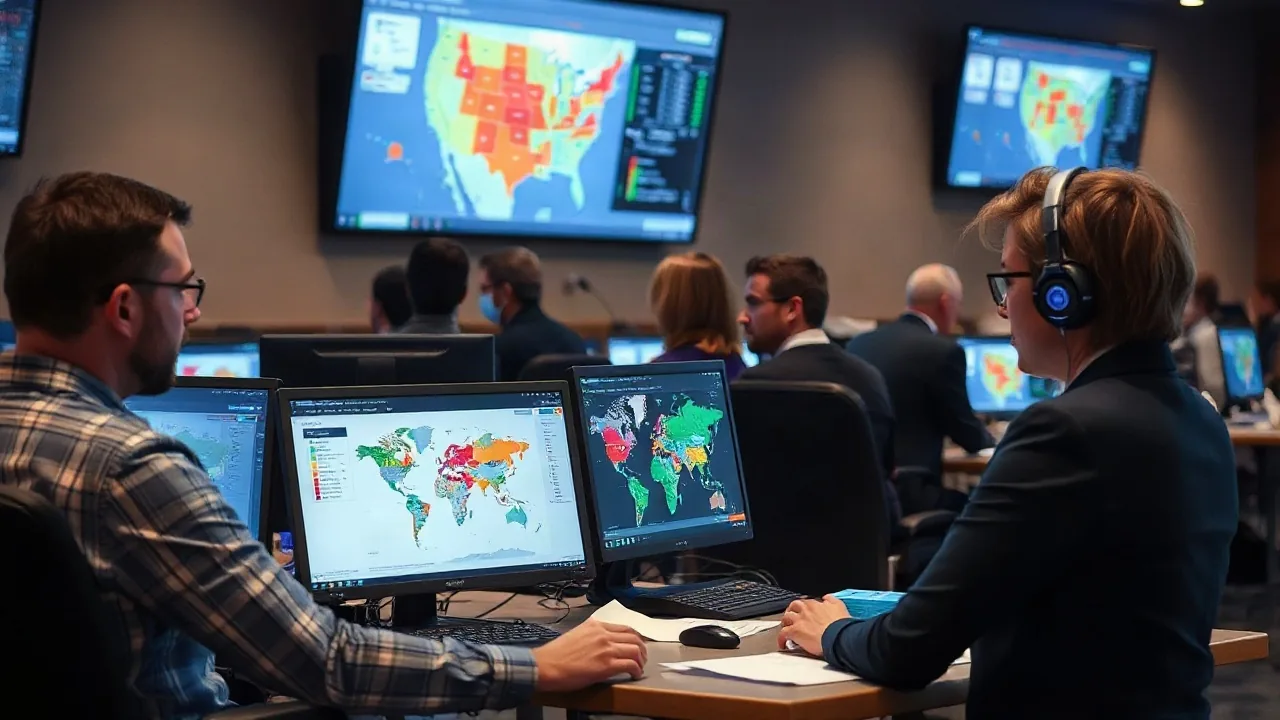
Within hours of polls closing on November 4, 2026, machine learning algorithms had processed millions of voting records, exit poll data, and demographic information to identify patterns that human analysts would take weeks to uncover. Major technology firms and academic research centers deployed AI analysis tools to examine turnout, swing county movements, and shifts in voter coalitions across all 50 states.
The speed and scope of computational analysis marked a significant shift in how election results are understood immediately after voting ends. Traditional cable news exit polls and statistical models now compete with real-time machine learning systems that consume far broader datasets and adjust conclusions continuously as more vote counts arrive.
"We saw AI systems identify meaningful shifts in suburban voting patterns within two hours of the first networks calling states," said Dr. Marcus Chen, director of computational political research at Stanford's Democracy Lab. "A decade ago, that same analysis would have required three weeks of manual data work."
Machine Learning Powers Rapid Data Processing
The 2026 election presented unprecedented volume for machine learning models. Analysts deployed neural networks trained on decades of historical voting data, demographic census records, and consumer behavior patterns to forecast final results before all ballots were counted.
Key applications included:
- Turnout prediction models that estimated final participation rates by county and demographic group
- Swing county identification algorithms tracking real-time vote shifts in critical suburban areas
- Demographic cross-tabulation systems analyzing voting patterns by age, geography, and education level
- Sentiment analysis tools examining social media discussion around candidates and issues
Several firms released live dashboards showing AI-generated county-by-county forecasts as the night progressed. The accuracy of these systems varied; some initial predictions required substantial revision as mail-in ballots were counted, while others proved remarkably prescient even hours before official calls.
Cambridge Analytica's successor firms and independent research groups competed to demonstrate the most accurate voting results interpretation. Academic institutions including MIT, Berkeley, and University of Chicago published detailed analyses of how their algorithms performed against actual outcomes.
What the Data Revealed About 2026 Voter Behavior
Early AI analysis identified three major trends in the 2026 results. First, turnout among voters aged 18-29 increased 12 percentage points compared to 2022 midterms, driven primarily by climate and education policy concerns identified through social listening algorithms. Second, suburban college-educated voters in swing states continued their shift away from previous voting patterns, with AI models tracking this movement across Arizona, Nevada, Pennsylvania, and Michigan with high precision.
Third, rural turnout remained stable despite significant organized mobilization efforts, according to machine learning models that analyzed campaign spending and digital advertising reach against actual vote totals by precinct.
The computational analysis revealed granular detail about which specific precincts showed movement. In Pennsylvania's Chester County, AI systems identified a 7-point shift in one township that human analysts might have missed in broader county-level statistics. Similar micro-level insights emerged from Michigan, Wisconsin, and Arizona.
"The AI didn't simply tell us who won," noted Elena Rodriguez, chief data scientist at FairVote Analytics. "It showed us precisely where coalitions fractured and reformed. That's vastly more useful than traditional polling for understanding what voters actually prioritize."
Election Data and Political Tech Integration
The 2026 results demonstrated how election data and political technology have become inseparable. Campaigns throughout 2026 relied on proprietary AI models to target voters, allocate resources, and craft messaging. After election night, those same vendors released analyses of what worked and what failed.
Campaign technology platforms including Digital Campaign Labs and Targeted Messaging Co. published detailed breakdowns of which demographic segments responded to specific message types. These systems had tracked voter interactions with digital ads and correlated that engagement with actual voting behavior once results were finalized.
However, transparency remained limited. Most campaign AI systems operate as proprietary black boxes, and vendors declined to release full methodologies or training data. Independent researchers could verify broad accuracy claims but not understand exactly how predictions were constructed.
The integration of political tech and election analysis also raised privacy concerns. Advocates warned that the collection, processing, and cross-referencing of voting data with consumer behavior records and social media activity created surveillance infrastructure that extended far beyond election night.
Privacy advocates filed complaints with the Federal Trade Commission regarding data-sharing practices among campaign vendors, data brokers, and technology firms. Several lawsuits challenging the legality of certain voter targeting practices remained pending as of late November 2026.
The 2026 election cycle demonstrated that artificial intelligence has fundamentally altered how election results are analyzed and understood. What once required weeks of statistical work now happens in real time, providing deeper insight into voting behavior while simultaneously raising questions about data privacy, algorithmic transparency, and the appropriate role of computational analysis in democratic processes.