
AI Product Recall: What Safety Risks Mean for Consumers
Artificial intelligence products are increasingly subject to recalls for safety failures and malfunctions. Understand what triggers recalls, your rights as a consumer, and how to stay protected.

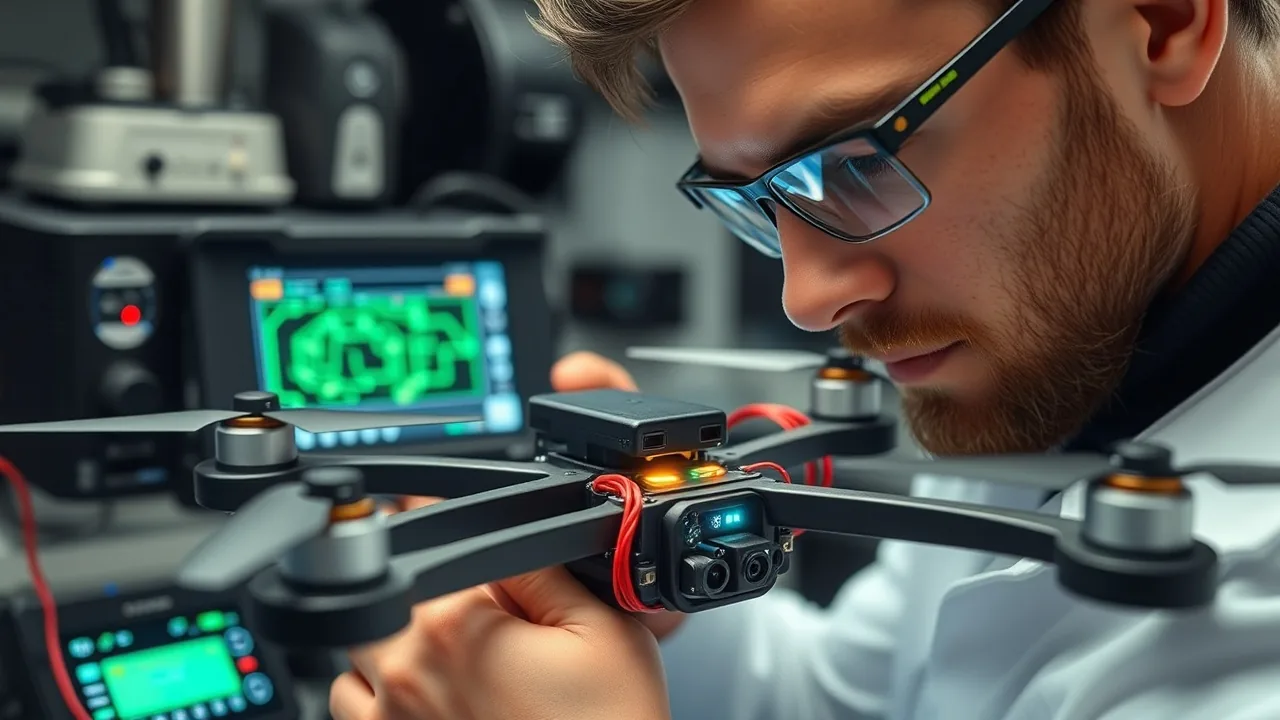
A major robotics company halted shipments of its autonomous warehouse system in June 2026 after discovering a critical safety flaw in the AI navigation software that caused collision incidents in three facilities. This wasn't an isolated incident. The consumer protection landscape for artificial intelligence devices has shifted dramatically as vendors rush products to market without sufficient safety validation.
Unlike traditional product recalls, AI product recalls present unique challenges. The problem often isn't a physical defect but a flaw in the underlying algorithm or training data that causes the system to behave unpredictably. A recall might require a software update rather than physical replacement, leaving consumers confused about whether they're actually protected.
"We're seeing a pattern where companies deploy AI systems into production environments, and only later discover that the decision-making algorithms have biases or edge-case failures that weren't caught during development," says Dr. Michelle Chen, director of AI safety at the Consumer Product Safety Institute. "The challenge is that these failures often can't be detected until the system encounters real-world scenarios that weren't part of the training dataset."
How AI Products Fail Differently
Traditional product malfunctions are usually mechanical or electrical. A button sticks. A component corrodes. An engineer can identify the root cause and fix the design. AI system failures operate on a different principle entirely.
Common failure modes for AI-powered devices include:
- Misclassification errors that cause the system to misidentify objects or users, leading to incorrect actions
- Training data bias that causes the AI to perform poorly for certain demographics or edge cases
- Adversarial attacks where small, crafted inputs manipulate the AI into unsafe behavior
- Model drift where performance degrades over time as real-world data diverges from training conditions
- Integration failures where the AI component interacts unpredictably with other system components
In April 2026, a smart home security system was recalled after its facial recognition component repeatedly locked residents out of their homes. The AI had been trained predominantly on faces with lighter skin tones and failed consistently with other demographic groups. The company issued a firmware update, but the incident raised serious questions about artificial intelligence safety testing protocols.
A medical diagnostic AI tool was pulled from three hospital networks in May 2026 when clinicians discovered it was recommending unnecessary procedures for patients over age 75. The algorithm had learned a correlation between age and treatment type from historical data but didn't have causal reasoning to understand why that pattern existed. That statistical error had real consequences for patient care.
Consumer Rights and Recall Procedures
Federal agencies have begun clarifying how existing product safety laws apply to AI systems. The Consumer Product Safety Commission (CPSC) issued updated guidance in March 2026 stating that AI-driven products fall under standard recall authority even though the "defect" may be entirely software-based.
Your consumer rights when an AI product is recalled depend on several factors:
- If the product poses an immediate safety risk, you have the right to a full refund or free repair within 30 days of notice
- If the fix is software-only, manufacturers must provide the update at no cost and inform you of what changed
- You cannot be forced to accept a software patch if you prefer a hardware replacement or refund
- Manufacturers must notify you directly if you purchased the product, not just post notices online
However, enforcement remains patchy. Many AI product makers are small startups with minimal customer service infrastructure. Some have attempted to issue recalls through social media posts rather than direct consumer notification, which the CPSC has stated does not meet legal requirements.
"The challenge we face is that the AI software industry moves faster than traditional consumer products, and companies often operate under the assumption that they can push updates silently," explains James Rodriguez, a product safety attorney at Morrison & Associates. "But a silent update to a safety-critical system isn't a recall. It's avoidance of accountability."
What You Can Do Now
Protecting yourself from AI product risks requires vigilance. Document your purchase receipts and warranty information for any AI-enabled device, whether it's a drone, smart appliance, security system, or software tool.
Check the CPSC website (cpsc.gov) and the National Highway Traffic Safety Administration (NHTSA) recall databases monthly if you own autonomous vehicles or connected hardware. Both agencies now publish AI-related recalls separately from traditional recalls.
If you notice unusual behavior in an AI product, report it to the manufacturer and to the CPSC directly. Include specific details: what you were trying to do, what happened instead, and any system messages or logs. This data feeds regulatory investigations and helps identify systemic problems before they cause wider harm.
Expect the AI technology industry to face stricter pre-release testing requirements by late 2026. Several states are considering legislation that would require manufacturers to demonstrate their AI systems have been tested against known bias and failure modes before consumer sale. This shift will slow product launches but should reduce dangerous recalls downstream.
The growth of AI-powered products is accelerating, but the safety infrastructure to protect consumers is still being built. Staying informed about recall protocols, knowing your rights, and reporting problems you encounter will help shape a market where AI works reliably and safely.