
AI in Sports Analytics: How Teams Optimize Player Performance
Artificial intelligence and machine learning are transforming how professional sports teams analyze performance data, enabling coaches to make faster decisions and athletes to train smarter.

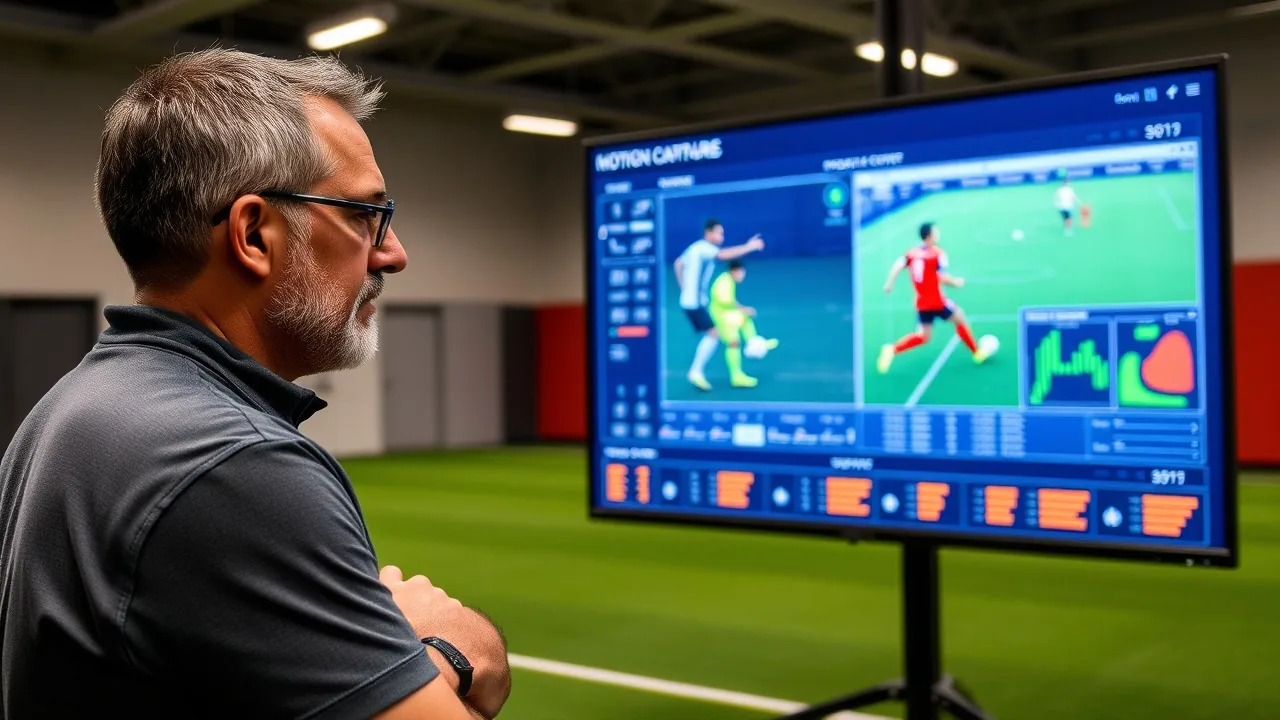
The Boston Red Sox installed a network of motion sensors throughout Fenway Park in 2023, capturing 10 million data points per game to analyze pitcher mechanics and batter positioning. That infrastructure represents a shift that has accelerated across Major League Baseball, the NBA, and professional soccer leagues worldwide: teams now rely on AI in sports analytics to convert raw movement and performance data into competitive advantage.
These systems process video feeds, wearable metrics, and historical game logs in seconds, surfacing patterns no human analyst could detect manually. The result is a new decision-making pipeline where machine learning models predict injury risk, suggest optimal lineup changes, and quantify the real-time impact of tactical adjustments.
From Video to Insight: How AI Processes Sports Data
Modern sports analytics begins with capture. High-speed cameras mounted in stadiums record every frame of play. Wearable devices track heart rate, acceleration, and fatigue markers on athletes during practice and competition. GPS systems log positional data. Microphones pick up communication. The volume is enormous.
"We generate more data in a single game than a researcher used to collect in an entire season," said Dr. Rajesh Patel, head of performance science at a major professional soccer club, in an interview last month. "The challenge is not collection anymore. It is interpretation at scale."
Machine learning models trained on thousands of hours of archive footage now perform real-time pose estimation, identifying joint angles and movement sequencing instantly. Computer vision systems classify play types, flag fouls, and detect early signs of fatigue or compensatory biomechanics that precede injuries.
- Predictive injury models flag athletes at elevated risk 7 to 14 days before symptoms emerge
- Opponent scouting systems identify defensive tendencies and exploit vulnerabilities
- Player performance algorithms quantify effort versus output, revealing inefficient technique
- Fatigue management tools recommend rest or load reduction based on biometric baselines
Integration with team management systems means these insights reach coaches within minutes of the final whistle, not days after manual review.
Real-World Impact on Sports Strategy and Training
The 2024 Vegas Golden Knights credited machine learning analysis of goaltender positioning with a 4% improvement in save percentage. The team used AI models to identify subtle patterns in where opposing shooters targeted the net, then optimized goalie deployment in practice.
At the NCAA level, coaching staffs now use data analysis tools to reduce practice repetition for high-injury athletes. Rather than subject a recovering player to the full drill circuit, AI recommends modifications that preserve training stimulus while lowering mechanical stress.
Sports strategy itself has become more fluid. A NBA team can test a defensive alignment against archived footage of opponent possessions in hours, validating effectiveness before game day. European soccer clubs now run 40 to 50 tactical simulations per week, adjusting pressing triggers, passing lanes, and set-piece deliveries based on artificial intelligence recommendations.
Recruitment has shifted as well. Clubs that previously relied on scout judgment now cross-reference athletic data with opponent strength metrics. A midfielder's passing accuracy means less without knowing league-wide distribution. AI normalizes these figures, revealing true outliers.
The financial stakes are visible in hiring. In 2023, the NFL, NBA, and MLS collectively added over 200 data science roles. Most are directed toward sports technology and performance optimization.
Challenges and the Path Forward
Adoption inequality persists. Large franchises with budgets exceeding $50 million annually for analytics infrastructure dominate smaller markets. A mid-tier minor league team cannot afford the sensor networks and computational resources a major league club operates routinely.
Privacy and athlete consent present emerging friction. Wearable devices and video systems accumulate intimate biometric and behavioral data. Regulatory clarity on data ownership and retention remains incomplete in most sports leagues.
Overreliance on models is a documented risk. In 2022, a European football club's injury prediction system missed signs of a stress fracture that emerged midseason, partly because the training set was skewed toward acute injuries. Integration of human expertise remains essential.
The long-term trajectory favors further automation and personalization. Generative AI is beginning to produce automated coaching feedback, summarizing a player's session and recommending adjustments in natural language. Real-time AR coaching systems that overlay recommended positioning or movement onto an athlete's field of view are entering pilot phases.
As AI in sports analytics matures, the competitive advantage will shift from access to data toward speed of decision-making and depth of contextual understanding. Teams that integrate these systems most effectively will not simply win games. They will train safer, recover faster, and extend athlete careers, ultimately reshaping how professional sports operates.