
1.8 Million-Year-Old Elephant Butchery Sites Reveal Early Human Survival Tactics
A new study reveals the earliest direct evidence of early humans butchering elephants nearly 2 million years ago in Tanzania. These findings suggest a strategic adaptation to megafaunal resources that aided human survival.

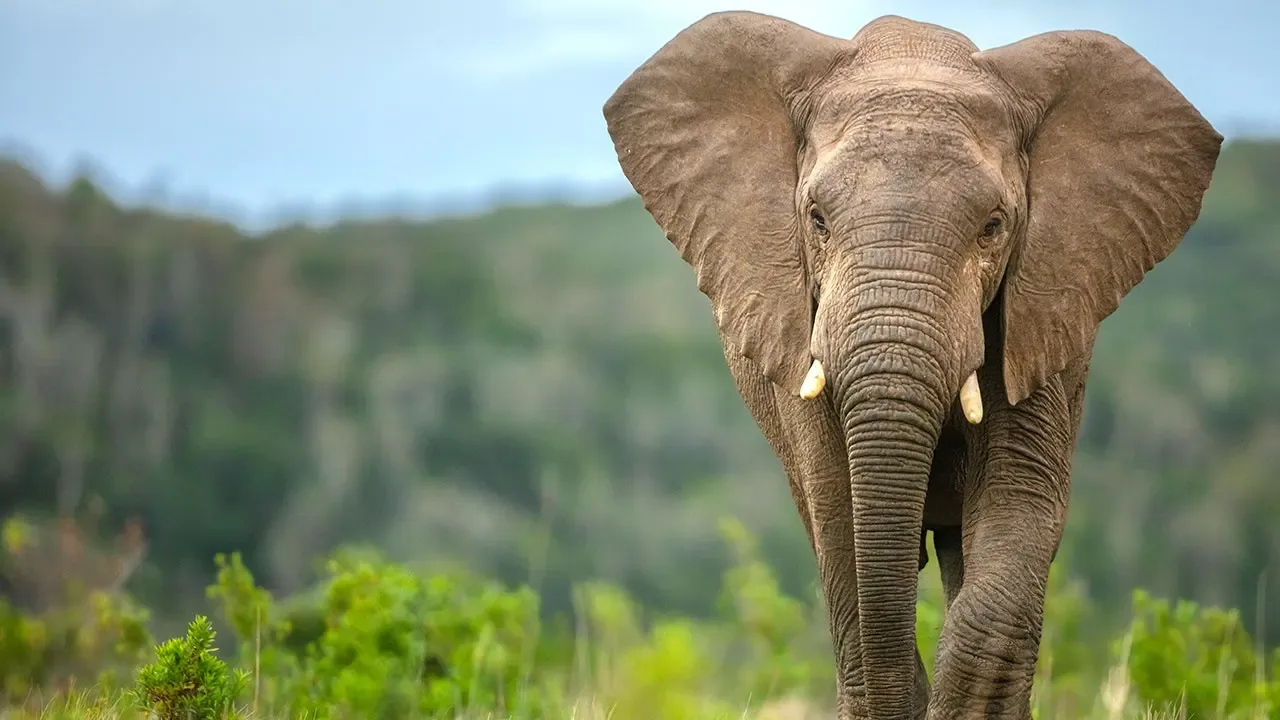
An international team of researchers has uncovered what they describe as the earliest direct evidence of early humans butchering large elephant species, suggesting these massive animals played a crucial role in our ancestors' survival nearly two million years ago. The findings, published in the journal eLife, focus on newly identified butchery sites at Olduvai Gorge in Tanzania's Serengeti Plains.
The animal bones discovered at the site belong to Elephas recki, an extinct elephant species that roamed the region during the early Pleistocene epoch. Alongside these ancient elephant remains, archaeologists found stone tools, indicating that early human ancestors systematically processed these carcasses. The bones themselves have been dated to approximately 1.8 million years ago, a period significant for early human evolution.
While evidence of humans exploiting large animals exists from later periods, this discovery points to a more sophisticated and organized approach by these early hominins. The researchers propose that the exploitation of such megafauna provided a crucial food surplus, offering a significant evolutionary advantage.
Strategic Resource Exploitation
The study suggests that this practice was more than opportunistic scavenging; it represented a strategic adaptation to utilizing large animal resources. This behavior likely contributed to the development of larger, more complex occupation sites, signaling a profound transformation in early human ecology and technology. The ability to consistently process such large animals would have supported growing hominin populations and potentially fostered more complex social structures.
"The food surplus generated by the exploitation of some of these animals would have been a significant advantage for the survival and adaptation of the hominin groups," the study authors noted. This dietary shift implies that early humans were not just surviving but actively thriving by mastering the processing of these substantial food sources. The paper also highlights that this capability "represents a unique evolutionary trajectory, with no direct modern analogue."
Contextually, this discovery reshapes our understanding of early human subsistence strategies. For decades, scientists have pieced together the dietary habits of our ancestors, often relying on fragmented evidence. Discoveries at Olduvai Gorge, a UNESCO World Heritage site renowned for its rich fossil and archaeological record, have consistently provided critical insights into human origins. This latest evidence from the Tanzania site offers a compelling narrative of how early humans leveraged their environment and developed innovative technologies, like the stone tools found, to secure vital resources.
The implications extend to understanding the cognitive and social development of early humans. The systematic nature of the butchery suggests planning, cooperation, and the transmission of knowledge among individuals. This complexity in resource management could be a precursor to later developments in human culture and society. The consistent access to high-calorie meat from elephants and other large animals would have fueled the energetic demands of larger brains, a hallmark of hominin evolution.
The research team, comprised of archaeologists and paleoanthropologists, continues to analyze the evidence, seeking to further understand the scope and impact of this early megafaunal exploitation. Future studies may focus on identifying specific techniques used in the butchery and the social organization required to manage such large-scale food acquisition. The findings add another layer to the complex picture of early human adaptability and innovation.