
Google I/O 2026: AI Unveiled for Search, Gmail, and More
Google's I/O 2026 keynote showcased significant AI advancements. New Gemini models, enhanced Search and Gmail features, and updates to smart glasses were among the top announcements, all emphasizing AI integration.

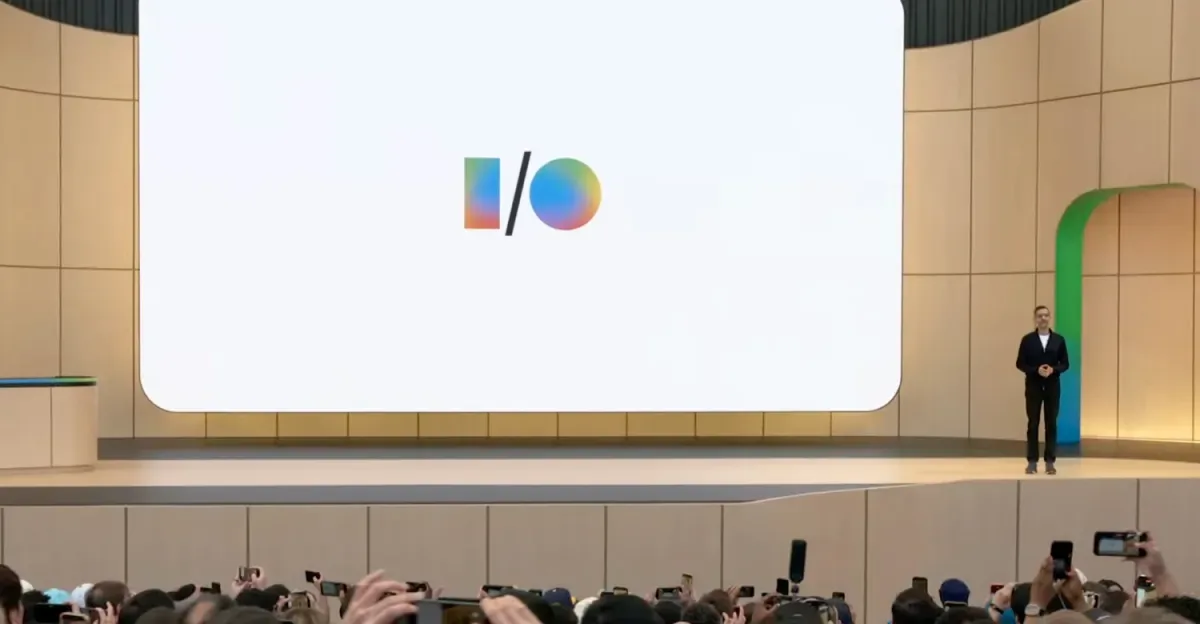
Mountain View, CA – Google kicked off its annual I/O developer conference on May 19, 2026, with a keynote packed with artificial intelligence announcements. CEO Sundar Pichai and other executives unveiled a new generation of Gemini AI models, deep integrations into core products like Search and Gmail, and updates to augmented reality hardware, underscoring the company's AI-first strategy.
Central to the announcements were the new Gemini 3.5 family of AI models. Gemini 3.5 Flash is now the default model for the Gemini app and AI Mode in Search, offering faster performance, improved agentic capabilities, and enhanced safety guardrails. Google highlighted its ability to handle complex tasks and generate more interactive user interfaces. Following next month, Gemini 3.5 Pro will become available. Complementing these models is a redesign of the Gemini app, featuring a "neural expressive" aesthetic with new animations, color palettes, and haptic feedback, rolling out immediately on web and mobile platforms.
Beyond the 3.5 generation, Google introduced the Gemini Omni family of models. Omni Flash, available starting today in the Gemini app, Google Flow, and YouTube Shorts, can generate video clips from a mix of inputs including text, photos, and audio. Google stated that future iterations of Omni will aim to "create anything from any input." The company also detailed Gemini Spark, an always-on AI agent designed to assist users with tasks like writing emails and managing finances. Powered by Gemini 3.5 Flash, Spark operates continuously on Google Cloud and integrates with Google Workspace apps and third-party services.
AI-Powered Development and XR Hardware
Google is empowering developers with new tools for AI-driven app creation. Google AI Studio now allows users to "vibe-code" entire native Android applications, including an embedded emulator for previewing and testing. These apps can be exported to platforms like GitHub or directly installed on a phone for real-time testing. Future updates will enable publishing apps to friends and family, with Firebase integration planned.
The company also provided an update on its Project Aura smart glasses, developed in collaboration with Xreal. An updated version of the glasses features a redesigned compute puck with an integrated fingerprint sensor. Google demonstrated new features for its XR platform, including widgets for smart glasses and deeper Gemini integrations with Google Calendar and Google Keep, alongside performance improvements. This fall will also see the launch of two new pairs of Android XR smart glasses from Warby Parker and Gentle Monster, which will be audio-only devices focused on features like live translation and navigation assistance.
The "Universal Cart" feature aims to streamline online shopping by allowing users to add products from YouTube, Search, Gemini, and Gmail into a single, intelligent shopping cart. This cross-service cart supports multiple merchants like Nike, Target, and Walmart, and can identify potential product incompatibilities or highlight savings opportunities through Google Wallet integration. Universal Cart is set to launch this summer across Search and Gemini, with YouTube and Gmail support to follow.
Gmail is receiving an upgrade with a voice-driven AI search experience, enabling users to ask questions and receive direct answers rather than sifting through email threads. Similar AI-powered voice features will extend to Google Docs and Google Keep, drawing data from Google Drive and Gmail. Google Workspace is also introducing Pics, a new app powered by Nano Banana 2 and Gemini, designed for easy, AI-driven image editing through comment-based instructions.
Google Search is undergoing significant changes, including an expanded search box for longer queries and AI-generated suggestions. Search input can now accept text, images, files, videos, and even Chrome tabs. "Information agents" will provide summarized updates on topics pulled from various online sources, initially for AI Pro and Ultra subscribers this summer. The "generative UI" feature will create visuals like simulations and interactive graphs within Search, and the platform will soon generate "mini apps" for frequently searched tasks.
Addressing the rise of AI-generated content, Google is enhancing its AI detection tools. Starting immediately, Search and Chrome will offer more details about image provenance, utilizing SynthID watermarking and C2PA Content Credentials. This will help users identify images that have been generated or altered by AI.
Finally, Google Beam, the evolution of Project Starline, is experimenting with lifelike AI agents. Early demos showcase agents like "Sophie," designed to create more personal and engaging interactions with AI during calls, moving beyond simple conversational capabilities to offer more nuanced and human-like engagement.