
Twitch Lets Streamers Opt-Out of AI Training
Twitch has introduced a setting allowing streamers to prevent their content from being used to train Amazon's generative AI models. The opt-out feature is enabled by default.

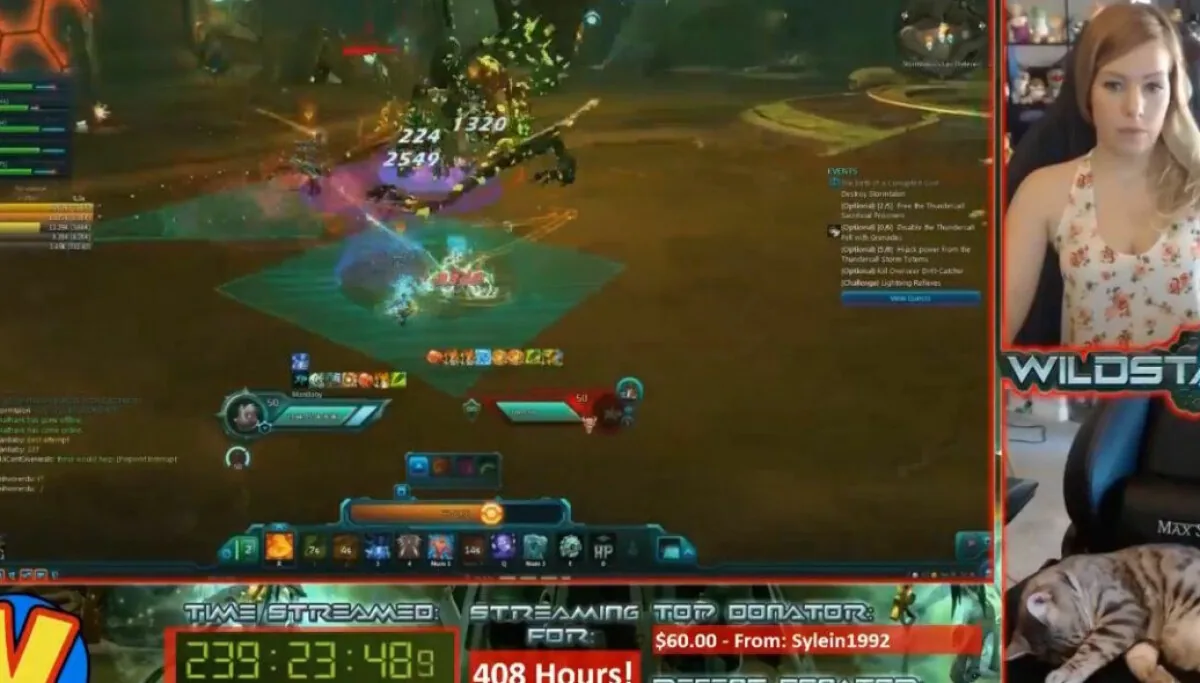
Twitch, the popular live-streaming platform owned by Amazon, has implemented a new setting that allows content creators to prevent their streams and related data from being used to train Amazon's generative artificial intelligence models. The "Training for Generative AI" control, found within channel settings, gives streamers the ability to opt out of contributing their content, which includes livestreams, videos on demand, clips, highlights, text, images, and chat messages, to future AI model improvements.
This new feature comes after revelations that Amazon had already been utilizing Twitch data for AI training. Mike Minton, Twitch's Chief Product Officer, explained the platform's decision to enable the opt-out setting by default during a livestream. "If it was opt-in, nobody would opt in," Minton stated. "That's honestly the answer. So it's going to be on by default." He further clarified that the resulting AI models trained on Twitch content may be utilized across various Amazon services, potentially enhancing features like speech-to-text for improved captioning on Twitch and other Amazon platforms.
Data Usage and Creator Control
While the new control provides a mechanism for streamers to protect their content, the default activation has raised concerns among some creators. The decision to have the setting enabled from the outset means that streamers must actively seek out and disable it if they wish to prevent their content from contributing to Amazon's AI development. Minton's candid admission suggests a strategic choice to maximize data input for AI training, acknowledging that a voluntary opt-in system would likely yield significantly lower participation rates.
The implications of this data usage extend beyond Twitch itself. Amazon's vast ecosystem could leverage AI models refined by Twitch content for a variety of applications, from enhancing customer service interactions to developing new product features. For instance, audio from streams could be instrumental in refining speech recognition technology, benefiting not only Twitch's accessibility features but also other Amazon services that rely on voice command or transcription.
However, the opt-out mechanism has certain limitations. The setting primarily governs content from a streamer's own channel. Messages posted in other streamers' chats will still be subject to their respective training settings. Furthermore, Twitch's phrasing regarding "future" AI model improvements suggests that content already incorporated into existing models may not be removed. The company has not yet provided details on whether opting out affects data that has already been processed or if models trained on Twitch content are shared with third parties.
This development highlights a growing trend of AI companies seeking vast datasets to fuel their models, often drawing from user-generated content on popular platforms. For streamers, it underscores the importance of understanding platform policies and actively managing privacy settings. The ability to control how their creative output is used for AI training is a significant, albeit somewhat hidden, aspect of content creation in the digital age. The move by Twitch offers creators more agency, but it requires proactive engagement to ensure their preferences are respected.