
Dementia Care Shift: Mom Moves to Tiny Home Near Daughter
Facing escalating costs of assisted living, a daughter moved her mother with dementia into a 700-square-foot tiny home on wheels next door. The move offers independence and cost savings.

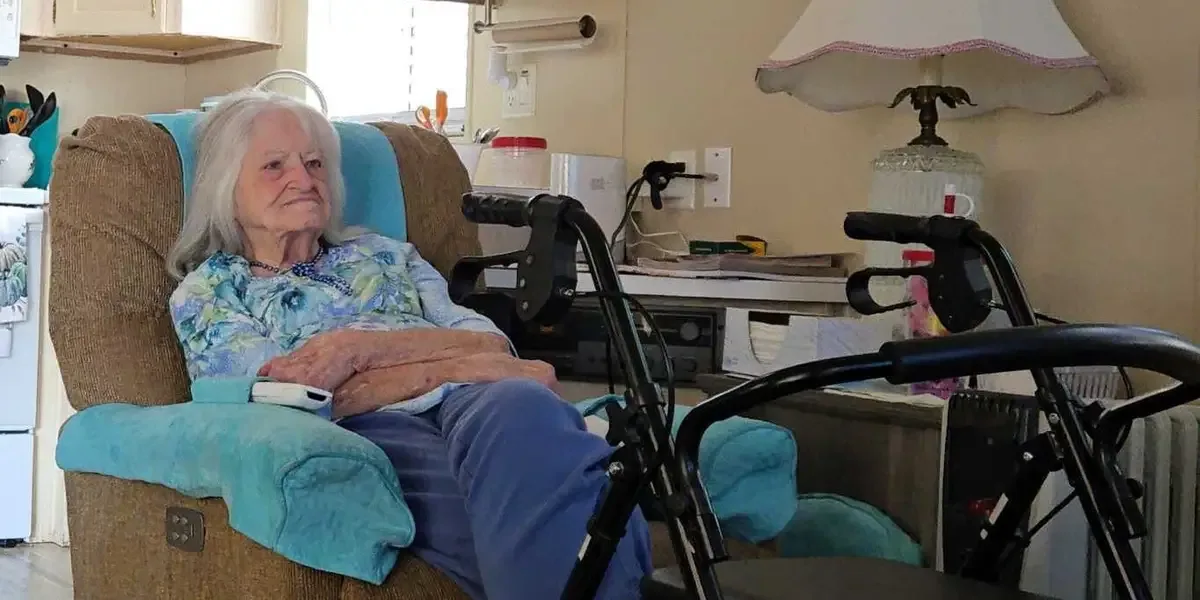
Lori Bufka, 64, a retired college professor, made a significant lifestyle adjustment to provide care for her 88-year-old mother, who has dementia. Faced with mounting assisted living costs in California, Bufka relocated her mother to a 700-square-foot tiny home in Arizona, situated just a minute's walk from her own residence. The decision to move her mother, who previously resided in a costly assisted living facility, was driven by both financial necessity and a desire for a more personalized care environment.
For over seven years, Bufka's mother managed to cover the expenses of her assisted living care, approximately $4,700 per month, through her veteran benefits, Social Security, and savings from selling her home. However, recent rate increases, including a planned rise to $5,200 monthly and additional charges for enhanced care due to her worsening dementia, made the facility financially untenable. Her savings were dwindling, and the facility threatened to move her to a less suitable dementia unit.
"The cost was about $4,700 a month, and it was about to go up to $5,200, which was a couple of thousand dollars more than what she earned," Bufka explained. "They said that she would be moved to a dementia unit with four other people, and I didn't want that to happen to her." The need for a more affordable and controlled care situation became paramount, especially as her mother was also becoming a target for scam calls, a vulnerability exacerbated by her cognitive decline.
Transition to Home-Based Care
The transition of Bufka's mother to Arizona and into the tiny home occurred in November 2025. Bufka and her partner purchased the mobile home for a sum that utilized two-thirds of her mother's remaining savings and one-third of their own. The monthly space rent for the trailer park is just over $500, a stark contrast to the assisted living facility's fees. This arrangement allows Bufka and her partner to share caregiving responsibilities, significantly reducing the financial and personal strain. Utility costs for the tiny home are approximately $200 per month in winter and $70 in summer.
Despite the relative affordability, the demands of caring for someone with advanced dementia proved challenging, particularly given the limited availability of home health services in their mountainous region. Many local organizations did not accept her mother's insurance. While hospice care was initiated, unexpected charges, such as mileage fees added to the hourly rate, made contracted services financially impractical. Consequently, the family now relies on hospice volunteers for periodic visits and ensures medically necessary appointments are covered.
Bufka acknowledges the profound impact the change has had on her personal life. "We haven't been traveling since November, and I haven't been away from her for more than three hours at a time," she stated. Her mother is deaf, adding another layer of complexity to her care and limiting Bufka's ability to be away for extended periods. Daily routines involve Bufka ensuring her mother's safety and comfort, preparing meals with her partner, administering medication, and providing supervision throughout the day.
The tiny home itself was adapted to enhance safety. The 700-square-foot space features a layout conducive to mobility, with wider doorways to accommodate a walker and reduced fall risks. Modifications like a lowered bathtub edge and installed railings on the porch were made. The kitchen is equipped with an electric stove, considered safer for individuals with dementia compared to gas appliances.
Technology has become an indispensable tool in managing her mother's care remotely. Bufka utilizes a specialized TV system, JubileeTV, which simplifies remote control operations for her mother and allows Bufka to monitor and adjust programming from afar. This system, along with Blink cameras and smart plugs controlled via Alexa, helps Bufka ensure her mother's safety, prevent accidents—like mistaking dish soap for a beverage—and manage household functions.
The family is committed to providing care for her mother in this setting for the foreseeable future. This innovative approach to dementia care highlights a growing trend of families seeking more affordable and personalized long-term care solutions outside traditional institutional settings. It also underscores the vital role of technology in enabling caregivers to manage complex needs while maintaining a semblance of independence for their loved ones.