
Mary-Dell Chilton: Pioneering GMO Research Revolutionized Agriculture
Dr. Mary-Dell Chilton, a trailblazer in plant genetic engineering, developed genetically modified organisms (GMOs) that transformed agriculture and food production.

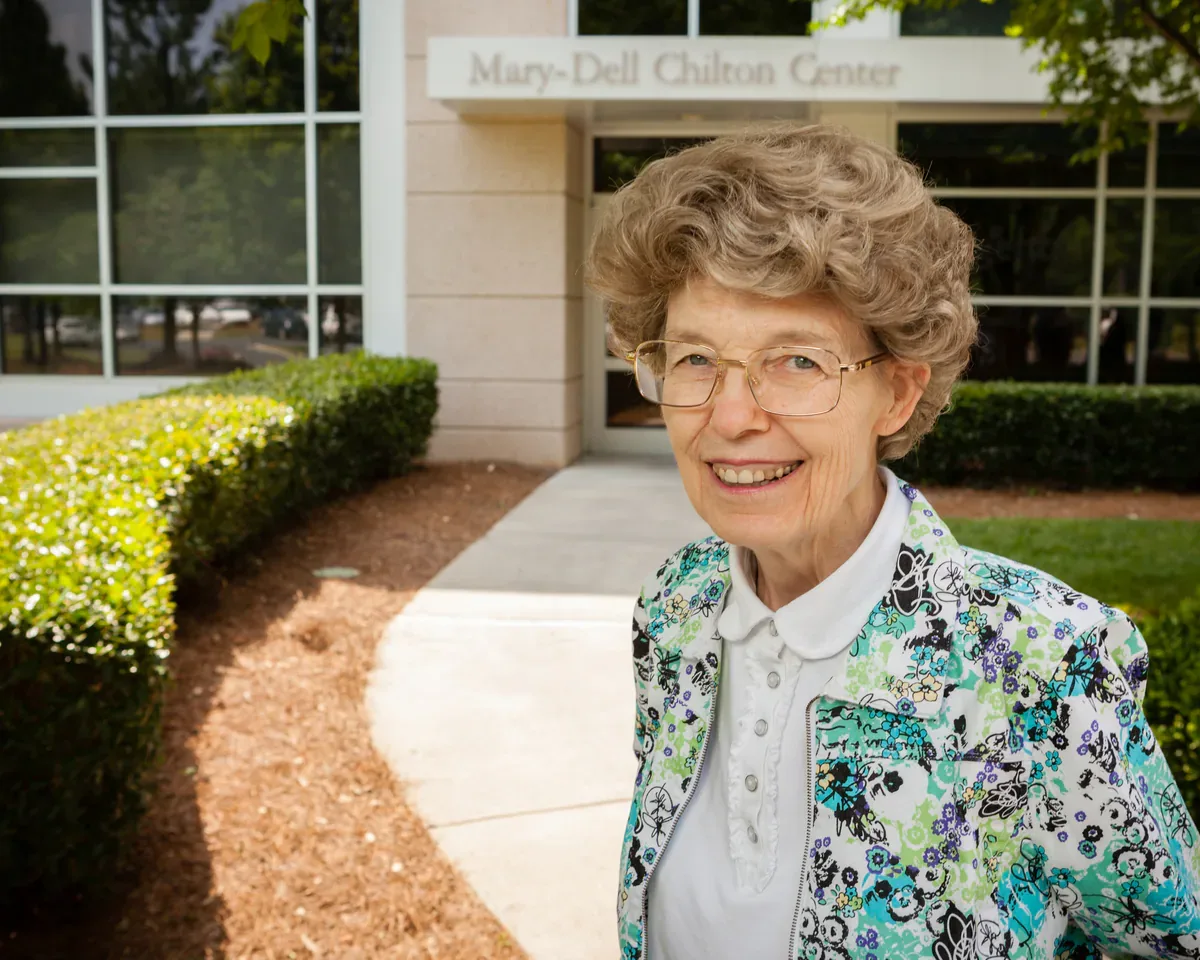
Dr. Mary-Dell Chilton, a visionary scientist whose groundbreaking work in plant genetics paved the way for the agricultural revolution, died on June 26, 2026. She was 87. Chilton was a leading figure in the development of genetically modified organisms (GMOs), a technology that has profoundly reshaped global food production and agricultural practices.
Chilton’s pivotal research focused on understanding how plants could be engineered to resist diseases and pests, and to enhance their nutritional value. Her early career in the 1960s and 70s, at a time when few women pursued advanced degrees in chemistry and molecular biology, was marked by a relentless curiosity and a refusal to be deterred by skepticism. She earned her PhD in chemistry from the University of Illinois in 1967, focusing on the intricate mechanisms of DNA.
Her most significant contributions emerged from her work with a rod-shaped bacterium, Agrobacterium tumefaciens. This microbe, known for causing crown gall disease in plants, proved to be a surprisingly effective natural genetic engineer. Chilton and her team at the Monsanto Company, where she led research from 1983 to 1998, elucidated the process by which Agrobacterium transfers its DNA into plant cells. This discovery provided a direct method for inserting desired genes into plants, a cornerstone of modern GMO technology.
Revolutionizing Plant Science
This understanding allowed scientists to develop techniques for creating transgenic plants – organisms that contain genetic material from a different species. These early advancements led to the creation of crops resistant to herbicides, insects, and environmental stresses, significantly reducing crop losses and the need for chemical pesticides. Chilton’s pioneering efforts were instrumental in translating complex molecular biology into practical agricultural applications, making her a central figure in the development of what we now know as GMOs.
The impact of her work is undeniable. Genetically modified crops have become a staple in agriculture worldwide, contributing to increased yields, improved food quality, and more sustainable farming practices. While GMO technology has faced public debate, Chilton’s foundational research provided the scientific underpinnings that have supported decades of agricultural innovation. Her leadership at Monsanto was characterized by a drive to translate scientific discovery into tangible solutions for farmers and consumers.
Beyond her direct research, Dr. Chilton was a mentor and an inspiration to countless scientists, particularly women in STEM fields. She received numerous accolades throughout her career, including the National Medal of Science in 2002 and the World Food Prize in 2013. Her legacy extends beyond her scientific achievements; she challenged conventional thinking and demonstrated the power of persistent inquiry in addressing global challenges like food security. She is survived by her two children and four grandchildren.