
Denisovan Fossil Study Reveals Ancient Hominin Appearance
New research using proteomic analysis of a 199,000-year-old hominin fossil has provided unprecedented insights into the physical characteristics of Denisovans, an extinct human relative.

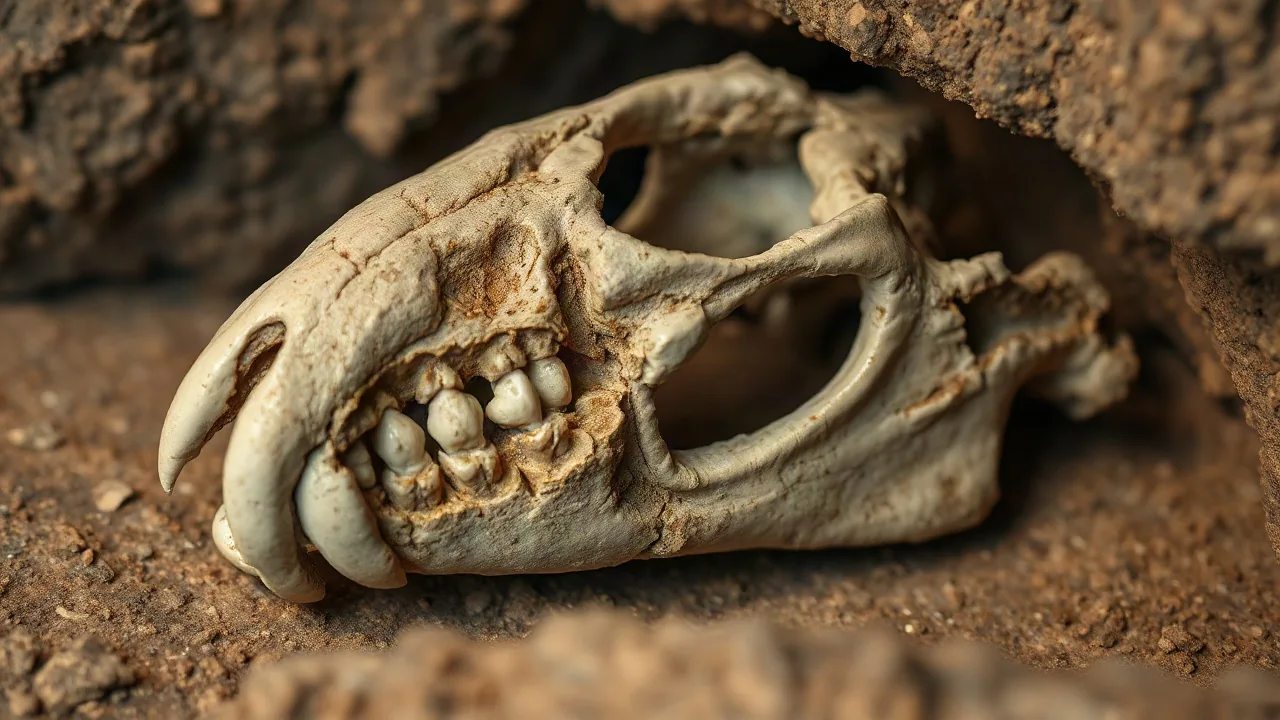
For the first time, scientists have reconstructed a remarkably detailed image of Denisovans, an enigmatic group of ancient humans, based on a proteomic analysis of a 199,000-year-old hominin fossil. The findings, published in the journal Nature, offer a glimpse into the appearance of these mysterious cousins of Neanderthals and modern humans, shedding light on their place in our evolutionary history.
The breakthrough comes from the re-analysis of fossilized dental enamel fragments unearthed from the Xujiayao cave in China. By examining the proteins preserved within the enamel, a team of researchers led by paleogeneticist Frido Welker of the University of Copenhagen was able to determine the morphology of the Denisovan mandible, or jawbone. This method bypasses the need for DNA, which is often degraded in ancient fossils, providing a new avenue for studying hominin evolution.
The proteomic data indicates that Denisovans possessed a broad dental arch and large molars, suggesting a diet likely rich in tough plant matter. Their facial structure appears to have been robust, with a wider jaw than that of modern humans. This physical distinctiveness further highlights Denisovans as a separate branch of the human family tree, distinct from both Neanderthals and *Homo sapiens*.
Unraveling a Genetic Enigma
Denisovans were first identified in 2010 through DNA extracted from a finger bone found in the Denisova Cave in Siberia. Since then, their presence has been confirmed through genetic material found in sediments across Asia, indicating a wide geographic distribution. However, physical fossils directly attributable to Denisovans have been exceptionally rare, making it difficult to ascertain their precise appearance and lifestyle. This new research marks a significant step forward in visualizing these ancient hominins.
The ability to reconstruct Denisovan morphology from proteins preserved in dental enamel is a game-changer for paleoanthropology. "This study demonstrates that the Denisovan population was not only geographically widespread but also morphologically distinct, with a unique set of traits," stated Dr. Welker in a press release. "We can now visualize what this ancient hominin population looked like."
Prior to this study, Denisovan characteristics were largely inferred from genetic data and comparisons with Neanderthal fossils. While genetic studies confirmed their distinct lineage, the lack of physical remains made it challenging to build a comprehensive picture. The Xujiayao fossil provided the crucial link, allowing scientists to bridge the gap between genetic information and tangible physical traits.
The implications of this discovery extend beyond simply knowing what Denisovans looked like. Understanding their morphology and how it differed from other hominins can provide insights into their adaptations to various environments and their interactions with other early human groups. The research into Denisovans continues to push the boundaries of what we know about human evolution.
The findings also underscore the power of proteomic analysis in unlocking the secrets of ancient life. As technology advances, similar methods may be applied to other hominin fossils, potentially revealing the appearance of even more extinct human relatives and filling in more blanks in the complex story of human origins. This new understanding of Denisovan appearance is a testament to the ongoing scientific quest to piece together our ancient past.