
Owl Researcher David Johnson's Lifelong Dedication Amidst Stage 4 Cancer
Renowned owl researcher David Johnson continued his vital work studying Eastern screech owls until his passing, despite a diagnosis of Stage 4 cancer. His career was marked by a profound connection to the birds he studied.

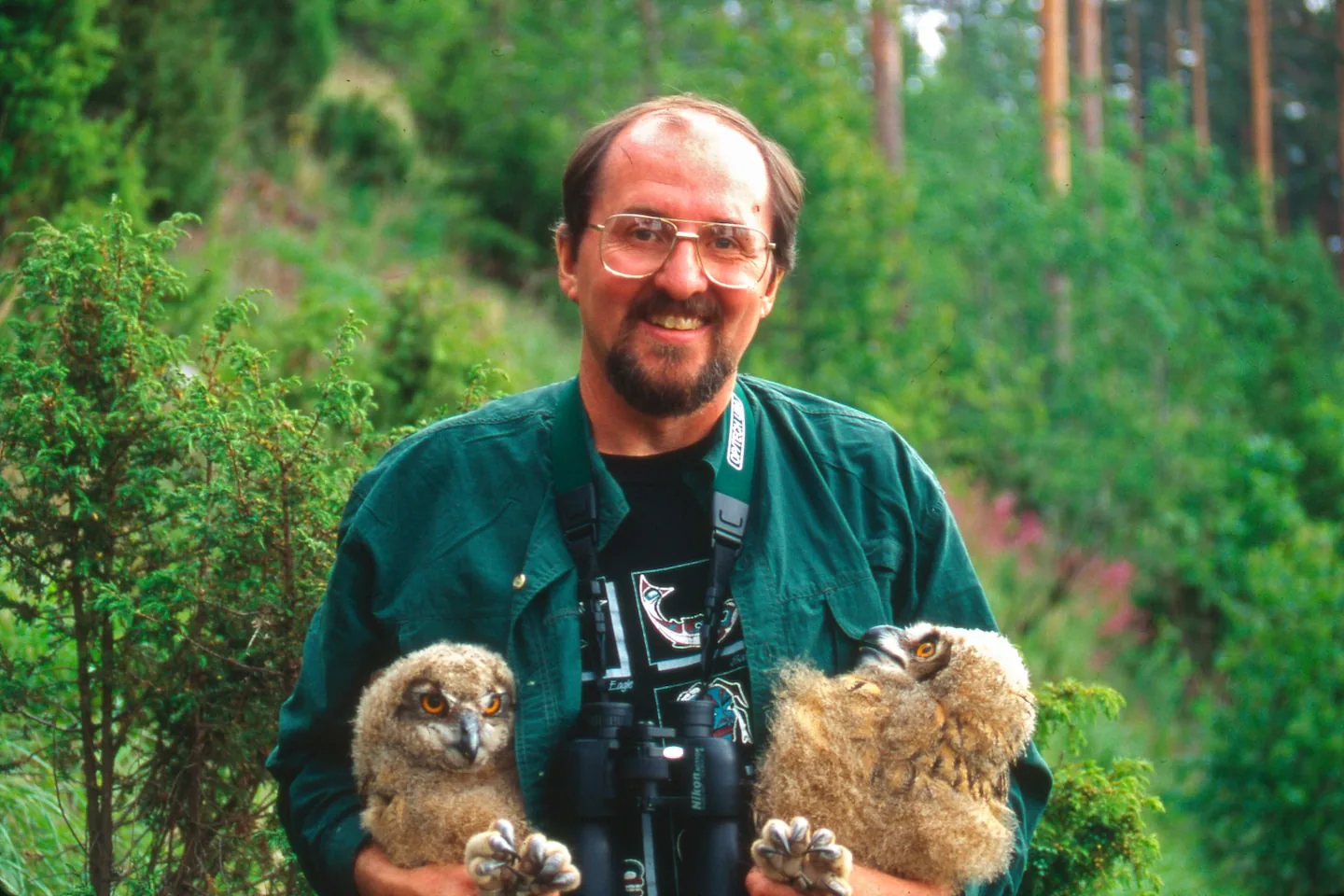
David Johnson, a dedicated ornithologist known for his extensive research on Eastern screech owls, continued his life's work until his final days following a diagnosis of Stage 4 cancer. Johnson passed away on July 15, 2026, leaving behind a significant legacy in the study of avian life, particularly the elusive screech owl populations in North America.
His passion for owls was ignited at the young age of 11 during a camping trip along the Blue Earth River in southern Minnesota. According to family accounts, Johnson vividly recalled an Eastern screech owl landing on his tent one evening, an encounter that sparked a lifelong fascination with the nocturnal predators. This pivotal moment set the course for a career dedicated to understanding and conserving these often-overlooked species.
Throughout his career, Johnson contributed invaluable data on screech owl behavior, nesting habits, and population dynamics. He was particularly noted for his innovative research methods, which often involved extensive fieldwork in challenging conditions. His commitment to science never wavered, even as his health declined. Friends and colleagues noted his unwavering resolve to continue his research, believing it essential to advocate for the owls he so deeply cared for.
A Legacy of Conservation
Johnson's research extended beyond mere observation; he was a passionate advocate for conservation efforts aimed at protecting owl habitats. He frequently lectured at universities and conferences, sharing his findings and emphasizing the ecological importance of owls as indicators of environmental health. His advocacy work often highlighted the threats posed by habitat loss and environmental changes, urging for greater protective measures for bird populations.
Colleagues described Johnson as a meticulous scientist and a generous mentor. Dr. Eleanor Vance, a former student and now a leading ornithologist herself, stated, "David's dedication was truly inspirational. He taught us not only the science of ornithology but also the profound responsibility that comes with studying and protecting the natural world. His passion was infectious, and he inspired countless students to pursue careers in conservation."
Johnson published numerous peer-reviewed articles in leading scientific journals, solidifying his reputation as an authority on screech owls. His seminal work, "The Secret Lives of Screech Owls," remains a foundational text for researchers and students alike. Even in the final months of his life, he was actively involved in analyzing field data and preparing manuscripts for publication, a testament to his enduring commitment to his field.
The Eastern screech owl, a small to medium-sized owl native to North America, faces various challenges including deforestation and pesticide use, which impact its prey base. Johnson's research provided critical data that informed conservation strategies and policy decisions aimed at mitigating these threats. His work underscored the interconnectedness of ecosystems and the vital role each species plays.
David Johnson's life serves as a powerful reminder of the impact one individual can have through sustained dedication and passion. His contributions to ornithology and his unwavering spirit in the face of adversity will be remembered by the scientific community and conservationists for generations to come.