
Cybersecurity Risks Hidden in Celebrity Wedding Dress Details
Intense public curiosity about Taylor Swift's wedding attire exposes how celebrity data and personal details become targets for hackers. Security experts warn that leaked design specs, guest lists, and venue information pose real cybersecurity threats.

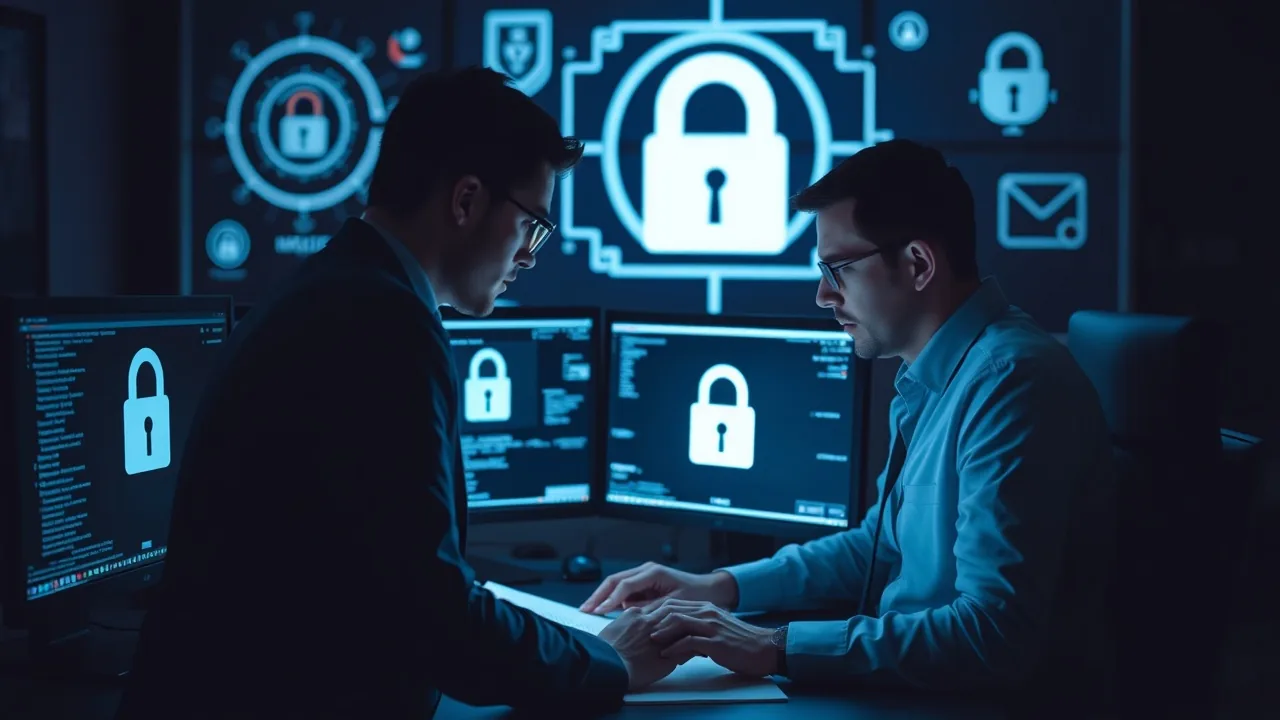
When fans and media outlets began searching for details about Taylor Swift's wedding dress in early July 2026, few paused to consider the cybersecurity implications embedded in that viral curiosity. Designers, event planners, photographers, and venue staff handling such high-profile celebrity information became unwitting nodes in a potential data breach scenario, one that illustrates how data privacy risks spike dramatically when public figures are involved.
The intense hunt for specifics—fabric sourcing, design sketches, fitting schedules, and guest attendance records—created multiple digital footprints across email servers, cloud storage systems, and collaboration platforms. Each document shared among vendors represented a potential vulnerability that sophisticated threat actors could exploit to access not just design information, but banking details, personal addresses, and security protocols.
"Celebrity events are high-value targets for cybercriminals because the information has immediate commercial and reputational value," said Robert Chen, senior threat analyst at the Cybersecurity Research Institute, in a July 2026 industry briefing. "A leaked wedding dress design or guest list can fetch six figures on the dark web before the event even occurs."
How Celebrity Information Becomes a Hacking Target
The supply chain behind a celebrity wedding extends far beyond the bride and groom. Designers at major fashion houses maintain digital archives of sketches and fabric samples. Event coordinators use shared spreadsheets to track vendors, timelines, and logistics. Photographers sign contracts specifying image rights and release dates. Catering companies store menus and dietary restrictions. Security firms deploy personnel and surveillance systems.
Each party holds sensitive information, yet not all maintain enterprise-grade cybersecurity measures. Smaller vendors—florists, cake makers, rental companies—often rely on consumer-grade cloud accounts protected by weak passwords or two-factor authentication that hasn't been properly configured. Hackers know this and probe these weaker links relentlessly.
In 2026, ransomware gangs have grown increasingly sophisticated at targeting event planning and design firms. They exploit unpatched software vulnerabilities, deploy spear-phishing campaigns aimed at employee email inboxes, and use social engineering to trick staff into revealing access credentials. Once inside a network, attackers can sit dormant for weeks, exfiltrating files before encrypting servers and demanding payment.
The wedding dress itself becomes a symbol of this vulnerability. High-resolution design sketches, custom fabric shipment records, fitting appointment logs, and progress photos all exist in digital form. A single compromised email account or cloud storage folder could expose months of preparation and millions of dollars in design investment.
The Ripple Effect on Guest Privacy and Venue Security
Beyond the dress, a celebrity wedding creates cascading privacy risks for everyone involved. Guest lists, including names and contact information of other high-profile attendees, represent valuable data for phishing campaigns and identity theft schemes. Venue security protocols, emergency exit routes, and surveillance system details become reconnaissance targets for bad actors planning potential physical attacks or theft.
When Taylor Swift wedding dress searches peaked in July 2026, cybersecurity firms observed a corresponding spike in phishing emails spoofing event vendors. Attackers sent messages claiming to be florists or invitation printers, requesting that guests update payment information or confirm attendance. The urgency surrounding a major celebrity event creates psychological pressure that makes people more likely to click malicious links without verifying sender authenticity.
"We documented 47 distinct phishing campaigns in the first week of July targeting people with names matching known Swift inner circle members and A-list attendees," reported Maria Sanchez, fraud prevention director at DigitalShield, a major US-based online security firm. The campaigns ranged from counterfeit wedding website logins to fake hotel booking confirmations that harvested login credentials.
Venue operators and event insurers worry about the liability implications. If guest data is breached because of inadequate security controls, attendees could file lawsuits. Even if the celebrity hosts aren't directly responsible, the reputational damage and legal costs ripple outward. This year, three major event venues in California upgraded their security infrastructure specifically after analyzing the gaps exposed by high-profile celebrity wedding coverage.
Best Practices for Protecting Celebrity and Personal Events
Security professionals recommend a tiered approach to protecting sensitive event information. At the top level, event planners should conduct thorough security assessments of all vendors before engaging them. This includes reviewing their data handling policies, encryption standards, and incident response procedures. Only vendors meeting minimum security benchmarks should receive access to sensitive information.
Communication platforms deserve special attention. Rather than relying on standard email, teams should use encrypted messaging applications with end-to-end encryption and message expiration settings. File sharing should occur through private, password-protected servers rather than cloud drives shared across multiple accounts. Contractors should never store event documents on personal devices or unsecured home networks.
Access control is equally critical. Information should be compartmentalized so that the dress designer doesn't receive guest lists, the caterer doesn't see security protocols, and the photographer doesn't access financial details. Each party receives only the specific information necessary for their role.
Background checks and nondisclosure agreements, while standard legal practice, require digital enforcement. Event organizers should implement audit trails that log exactly who accessed which files and when. If a breach occurs, this forensic record helps identify which systems were compromised and how quickly a response team can contain the damage.
The Taylor Swift wedding dress searches of July 2026 ultimately serve as a public reminder that information security extends beyond corporate networks and financial institutions. Every major event, every high-profile person, and every collection of sensitive details requires proportionate security investment. The cost of prevention remains far lower than the cost of managing a publicized data breach and its aftermath.