
Cybersecurity for Texas Football Fans: Protect Your Data in 2026
Texas football fans face growing threats when buying tickets online and sharing personal data. Learn how to safeguard your accounts and payment information during the 2026 season.

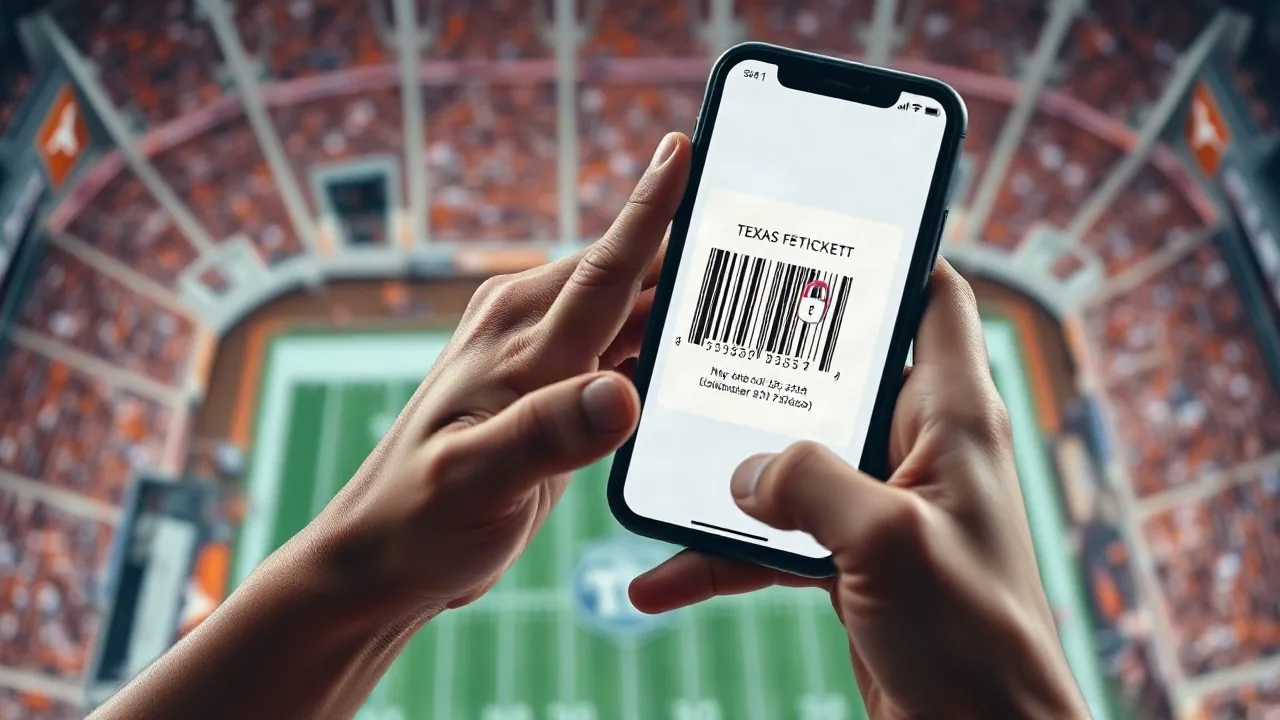
Every Saturday in autumn, millions of Texas football fans log into ticketing websites, enter credit card details, and download digital passes to their phones. This routine creates a prime target for cybercriminals who exploit the rush, excitement, and inattention that come with securing seats to high-demand games. In September 2026, as the University of Texas Longhorns and other Texas college programs head into pivotal conference matchups, fan safety concerns have intensified.
The spike in ticket sales around major games creates a surge in login attempts, payment transactions, and data exchanges. Scammers know this timing well. They purchase stolen credentials on dark web marketplaces, launch phishing campaigns posing as Ticketmaster or team box offices, and set up counterfeit resale platforms to intercept buyers. Football fans, eager to secure premium seating or resale deals, often skip security checks that might otherwise flag fraudulent sites.
"We see a 40 percent increase in ticket-related fraud and credential theft during football season," says Dr. Michael Chen, director of threat intelligence at CyberDefense Labs, a firm that monitors sports-related cyber incidents. "Texas teams draw particularly high interest, which means higher attack volume. Fans need to treat ticket purchases with the same caution they would use for banking transactions."
Ticket Purchasing and Payment Security
When buying tickets to Texas football games, the official team website and authorized vendors like Ticketmaster remain the safest entry points. Secondary resale platforms such as StubHub and SeatGeek do carry legitimate inventory, but they also attract fraudsters who list counterfeit or duplicate tickets. Fans should verify seller ratings, check for HTTPS encryption on checkout pages, and avoid payments through wire transfer, gift cards, or cryptocurrency, all of which offer no buyer protection.
Data protection during payment begins with the browser itself. Using a VPN or public Wi-Fi to complete a ticket transaction introduces risk, as these networks lack encryption and can be monitored by attackers. Home networks with strong passwords and updated routers provide better security. Before entering payment details, confirm the URL matches the official domain exactly; lookalike domains differ by a single character and are common phishing tactics.
Multi-factor authentication (MFA) should be enabled on every ticketing account. Most major platforms now offer this feature, requiring a second verification step via text message, email, or an authenticator app. Even if a criminal obtains your password through a data breach, they cannot access your account without that second factor. This single step blocks the majority of unauthorized login attempts.
- Enable multi-factor authentication on all ticketing accounts
- Use unique, complex passwords for each platform
- Never share ticket links or account details via email or social media
- Verify seller reputation on resale platforms before purchase
- Check for HTTPS and padlock icons before entering payment information
Phishing and Social Engineering Tactics
Phishing emails and text messages targeting football fans have grown more sophisticated in 2026. Scammers create exact replicas of official team communications, including logos, fonts, and official-looking sender addresses. A common tactic involves sending an email claiming your ticket order requires immediate verification due to "unusual activity" or a system upgrade, with a link that captures your login credentials when you click.
Social media amplifies this risk. Fans share excitement about attending games, post photos with ticket barcodes visible, and discuss seating preferences publicly. Attackers mine these posts for personal information, then craft targeted messages. Direct messages on Instagram, Twitter, or Facebook offering last-minute ticket deals often link to phishing pages or scams.
Before clicking any link related to tickets, verify the sender through official channels. Text the box office number on your ticket stub, call the team directly, or navigate manually to the website by typing the URL yourself rather than clicking an email link. Legitimate ticketing companies will never ask you to re-enter payment information via email or text.
"Phishing is the easiest vector because it costs attackers almost nothing and works on a percentage basis," says Sarah Winters, senior security analyst at Arena Security. "If a message goes to 10,000 football fans and even 0.5 percent fall for it, the attacker has compromised 50 accounts. During peak game weeks, that traffic volume is enormous."
Mobile App and Account Security
Online security extends beyond the web browser to mobile devices where fans store digital tickets and access apps. The official team app or Ticketmaster mobile application should be downloaded only from the Apple App Store or Google Play Store, never from third-party sources or links in emails. Verify the developer name and read recent user reviews before installing.
Keep your phone's operating system and security patches current. Android and iOS updates frequently include fixes for vulnerabilities that criminals exploit to steal data or inject malware. A device running outdated software is far more susceptible to breach, especially during high-traffic periods like game day when network congestion masks suspicious activity.
Screen mirroring and sharing features pose another risk. If you display your digital ticket on a large screen at a tailgate or bar, anyone with a camera can capture the barcode or QR code. These codes may be reusable depending on the ticketing system, allowing someone to gain entry using your credentials. Keep ticket displays private until you reach the stadium gate.
Cybersecurity for fans also means monitoring your account statements weekly during football season. Check credit card bills and bank transactions for unauthorized charges, and report suspicious activity to your card issuer immediately. Many credit card companies now offer alerts for large purchases or transactions in unfamiliar locations, which can catch fraudulent activity before significant damage occurs.
The 2026 football season brings heightened demand and, with it, heightened risk. By treating ticket purchases with the vigilance normally reserved for banking, enabling multi-factor authentication, avoiding phishing attempts, and keeping devices secure, fans can enjoy the games without compromising their personal data or financial security. These practices require only minutes of setup but deliver months of protection.