
Microsoft Unveils AI Cybersecurity Model and Agentic Defense Platform
Microsoft has launched its first AI model specialized for cybersecurity, MAI-Cyber-1-Flash, and a new platform called Perception designed to automate threat detection and remediation.

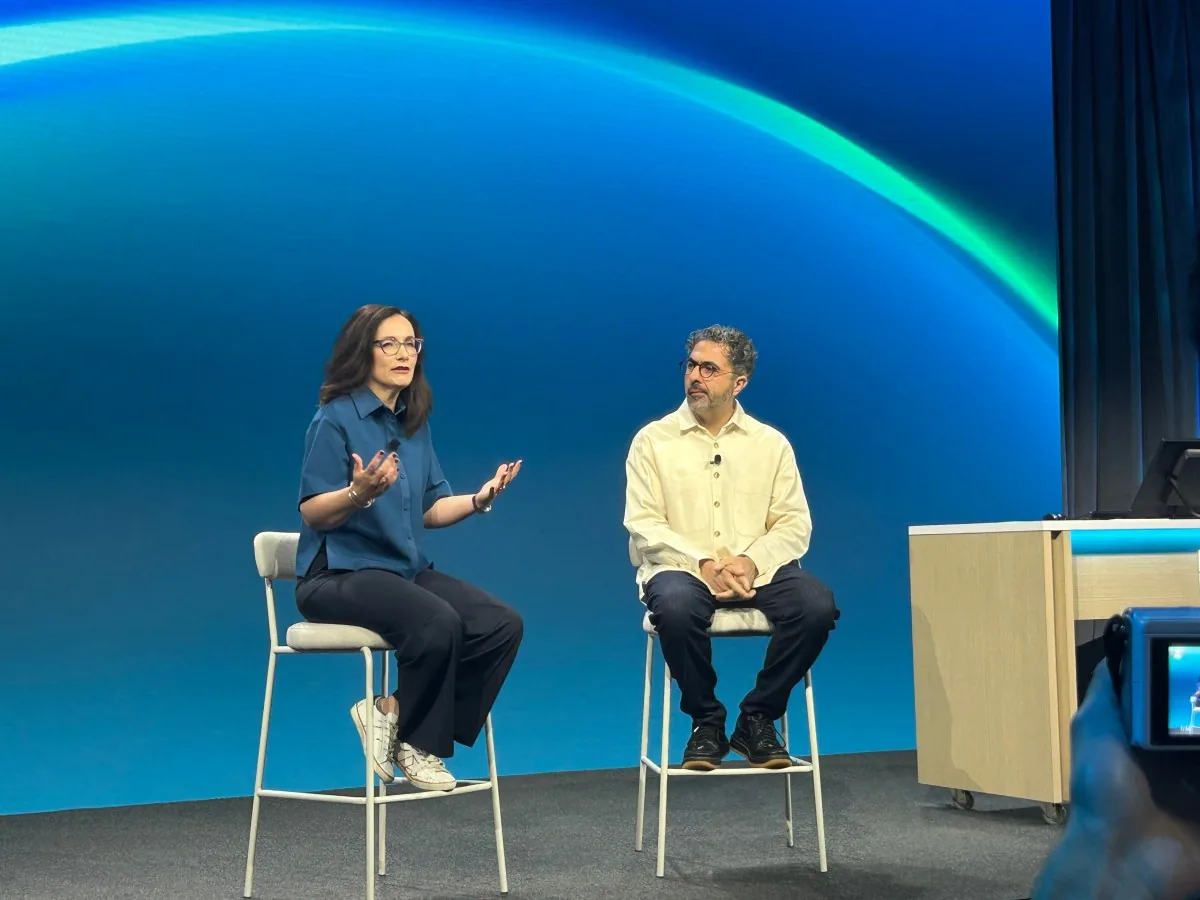
Microsoft unveiled its first artificial intelligence model tailored specifically for cybersecurity, dubbed MAI-Cyber-1-Flash, alongside a new AI-powered platform named Perception at an event in San Francisco. The company aims to challenge established players like Anthropic, Google, and OpenAI with these new tools, designed to identify and fix complex code vulnerabilities at an unprecedented speed.
MAI-Cyber-1-Flash is engineered to detect difficult vulnerabilities within intricate codebases. This model powers MDASH, Microsoft's dedicated system for identifying and correcting software weaknesses. The Perception platform, meanwhile, is built to deploy teams of AI agents that can automate and assist with a wide range of security workflows. These agents are capable of identifying vulnerabilities, remediating them, and can even integrate with the MDASH system.
Microsoft claims that MAI-Cyber-1-Flash outperforms competitor models in both power and cost-effectiveness, citing its performance on a leading AI cybersecurity benchmark. "We have MAI-1 Cyber Flash bound with GPT 5.4 inside of the MDASH harness — which beats out Gemini, GPT 5.5 Cyber, GPT 5.6 Sol, and Mythos 5 on Cyber Gym, which is the primary benchmark that we all use," stated Mustafa Suleyman, CEO of Microsoft AI. "We're shipping this into production immediately."
AI-Powered Defense Against AI-Driven Attacks
The increasing sophistication of cyberattacks, often leveraging AI, necessitates advanced defensive capabilities. Hayete Gallot, Microsoft's vice president for security, explained that Perception provides enterprise defenders with the means to "defend against AI with AI at the scale and speed that the attackers have." This platform utilizes agentic teams, including red, blue, and green teams.
The red teams are designed to simulate potential attacks, offering detailed insights into threat actors and the specific vulnerabilities they might exploit. The blue teams focus on detecting and triaging existing bugs, while the green teams are responsible for implementing corrective actions against these identified issues. This multi-layered approach ensures comprehensive security coverage.
Dave Weston, lead engineer for Perception, highlighted the platform's significant efficiency improvements for corporate security teams. "We've gone from this taking hours and hours of manual work from multiple specialized folks across the security organization — appsec hunters, remediation engineers, you name it — and in minutes, we have a fix for all of this," Weston said. "Not only do we discover the issues and prioritize them, but we have detection, posture fixing, and even a code fix." This represents a major leap forward in the speed and efficacy of cybersecurity operations, moving from lengthy manual processes to near-instantaneous automated solutions.
While AI has opened new avenues for defense, its accessibility to cybercriminals presents a growing landscape of potential threats. Microsoft's new tools aim to provide organizations with a more robust and responsive defense mechanism against these evolving challenges, ensuring that defenders can keep pace with the rapid advancements in both offensive and defensive AI technologies. The introduction of AI into the cybersecurity domain is rapidly transforming the threat landscape, pushing companies to adopt more sophisticated and automated solutions to protect their digital assets.