
Ring Cameras Get New Encryption to Protect User Privacy
Ring is introducing new encryption technology called TAKE, designed to give users more control and confidence over their home security camera footage privacy.

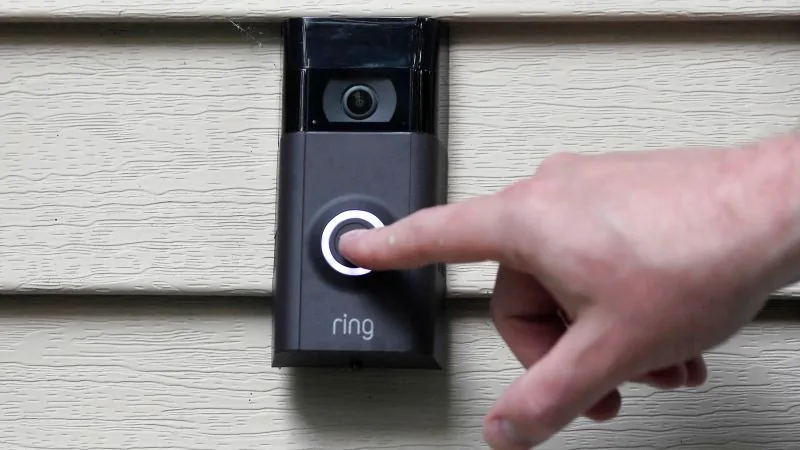
Ring, a leading U.S. home security camera provider, is implementing a new encryption technology dubbed TAKE, an acronym for "throw away the key," in an effort to address growing public concerns over surveillance and data privacy. The update, set to become the default security setting for all Ring cameras starting in September 2026, aims to provide customers with greater assurance that their footage remains private and inaccessible to third parties, including law enforcement and Amazon itself, without explicit consent.
The new TAKE system stores user videos in a secure cloud vault. Ring states that only the user possesses the key to this vault. The company will only gain temporary access to the virtual key to perform specific features, such as video search, and only after receiving customer approval. Following this limited access, Ring asserts it will "throw away the key," thereby revoking its ongoing access to the videos. This technical enhancement reinforces Ring's existing policy of not viewing customer footage without consent.
Ring founder Jamie Siminoff emphasized the importance of providing tangible security measures. "People are always going to have questions about, like, how do you store it? How do you protect it?" Siminoff told CNN. "As a company we’ve done, I believe, a really good job with that, but this is the physical way of now giving them confidence … this is the show, not just tell." The move comes amidst a broader societal unease about the proliferation of cameras in both public and private spaces, leading to protests and a general public backlash against pervasive surveillance.
Addressing Persistent Privacy Scrutiny
Ring has historically faced significant criticism regarding its data handling practices and its partnerships with law enforcement agencies. Earlier in 2026, an advertisement featuring a lost dog scenario drew intense scrutiny over potential surveillance implications. Weeks later, the company canceled a contentious collaboration with law enforcement technology firm Flock. Ring's TAKE technology is presented as offering a privacy protection level comparable to end-to-end encryption, which scrambles data between trusted devices to prevent outside access. However, Ring claims its new system is better suited for the complex, multi-device, and multi-user environments common among its customer base.
While the new encryption aims to bolster user confidence, privacy advocates note that concerns extend beyond just Ring users. Many individuals express unease about cameras installed on neighbors' homes or public areas. Siminoff acknowledged these broader anxieties, hoping the enhanced security features on Ring cameras will offer some measure of comfort to the general public. "I think there is an anxiety of, like, I just don’t know what’s happening with this (footage)," Siminoff explained. "I think people will hear about this and then feel more comfortable when they see a Ring camera, knowing that there’s a default encryption on it, that it’s locked to the specific person."
Ring will continue to offer its previous end-to-end encryption option, which was introduced in 2021 following pressure from privacy advocates. However, that earlier system imposed certain usage restrictions. The company asserts that the new TAKE technology represents a significant step forward in balancing enhanced security with user convenience and control, directly responding to the evolving demands of consumers wary of the ever-present eye of surveillance technology.