
Walgreens Store Closings Create Data Security Risks in 2026
Walgreens' 2026 store closure wave raises urgent cybersecurity and data privacy concerns as hundreds of locations shut down. Experts warn of exposure risks tied to legacy systems and incomplete data migration.

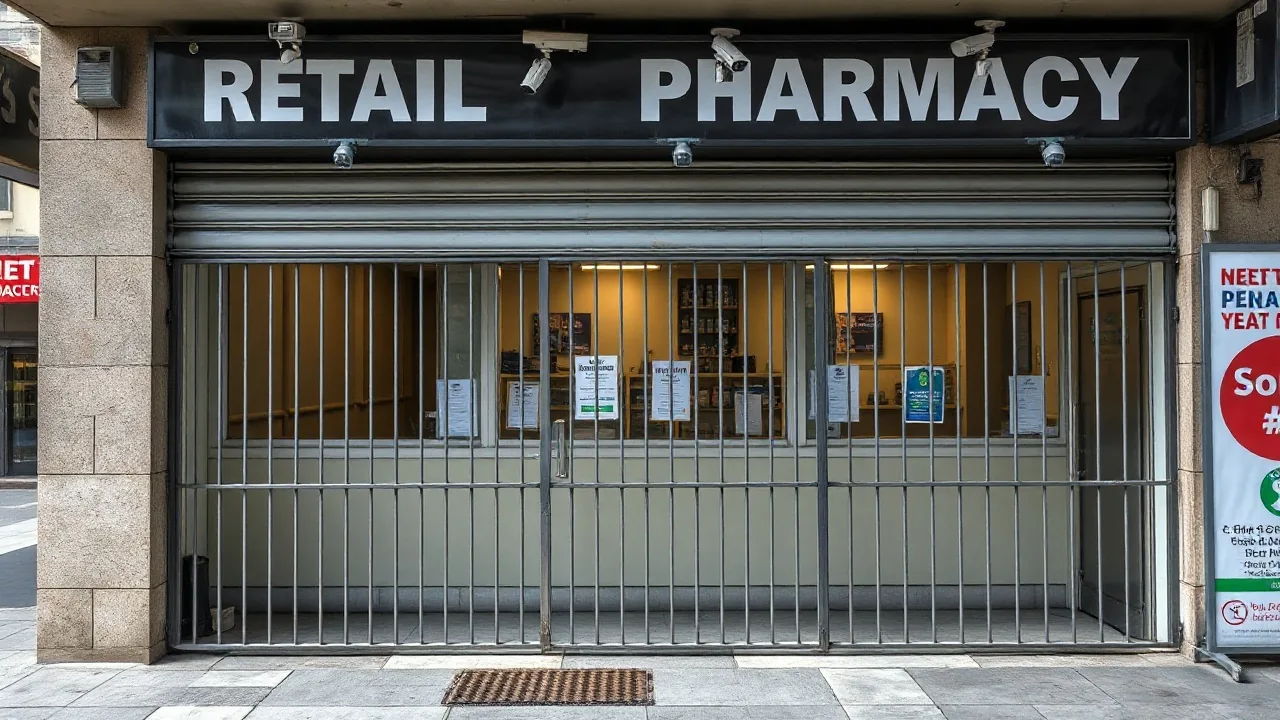
Walgreens announced in mid-2026 that it would shutter approximately 1,200 locations nationwide over the next three years, marking one of the largest retail pharmacy closures in recent history. The sudden reduction in physical infrastructure poses an overlooked but serious threat to customer data and operational security across the company's network.
"When a major retailer closes stores at this scale, the cybersecurity implications are often underestimated," said Sarah Chen, senior threat analyst at Cybersecurity Ventures. "Legacy systems may be left running in closed locations, payment terminals can become orphaned from active monitoring, and data migration processes frequently expose sensitive information during transition periods."
The closures affect stores in 47 states, eliminating 12,000 jobs and creating logistical challenges for transferring patient records, prescription data, and payment systems. Each store closure represents a potential weak link in network security if the decommissioning process is not executed with proper information security protocols.
Data Migration Risks During Store Shutdowns
The primary vulnerability emerges during the transition phase. Walgreens must extract and migrate patient prescription histories, insurance information, and payment records from closing locations to operational stores or cloud systems. This process requires temporary data exposure across multiple systems.
Store closure projects typically involve:
- Deactivating point-of-sale terminals and pharmacy management systems
- Migrating prescription records to neighboring locations or central databases
- Redirecting insurance claims and financial data to active processing centers
- Decommissioning network infrastructure, cameras, and access control systems
- Disposing of or repurposing hardware containing historical transaction logs
Each step introduces an opportunity for misconfiguration or incomplete data wiping. If Walgreens does not follow rigorous data privacy protocols, sensitive patient information could remain accessible on deactivated hardware or in transition databases.
"The retail sector has experienced multiple breaches during restructuring efforts," noted Marcus Thompson, compliance officer at RetailSec Advisory Group. "Store closures create a window of chaos where security controls are in flux and responsibility for data protection becomes ambiguous."
Legacy Systems and Monitoring Gaps
Walgreens' network includes pharmacies that run on outdated point-of-sale and prescription management systems, some dating back over a decade. These legacy platforms may lack modern encryption, multi-factor authentication, or real-time threat monitoring.
When stores close, these older systems may be abandoned before proper security patches are applied. Unmonitored legacy servers can become targets for attackers seeking to exploit known vulnerabilities or extract stored payment card data. The company faces a narrow window to secure and disconnect these systems before closure deadlines.
Walgreens has not publicly disclosed detailed timelines for removing point-of-sale terminals or how it will ensure secure data destruction at closing locations. This lack of transparency raises questions about digital safety across the shutdown process.
Regulatory Exposure and Compliance Burden
The closures trigger obligations under the Health Insurance Portability and Accountability Act (HIPAA) and state data breach notification laws. Walgreens must demonstrate that patient medical records are not lost, corrupted, or exposed during the transition.
If a breach occurs during store closures, the company could face substantial penalties. HIPAA violations carry fines up to $100 per record, with annual maximums exceeding $1.5 million per violation category. State attorneys general also monitor retail pharmacy closures for data protection compliance.
Pharmacy records are particularly sensitive because they contain information about patient medications, conditions, and insurance coverage. Unlike standard retail transaction data, pharmacy records are explicitly protected under federal healthcare privacy rules.
"Walgreens needs to publish its Walgreens store closings security plan so stakeholders can verify that data protection is a priority," said Dr. Elena Rodriguez, healthcare cybersecurity researcher at Stanford Medical. "Silence invites regulatory scrutiny and customer distrust."
What Customers and Patients Should Know
Patients with prescriptions at closing Walgreens locations should monitor their credit reports and healthcare accounts for unauthorized activity. The company is transferring prescriptions to nearby open stores, but the transfer process itself requires handling sensitive medical information multiple times.
Customers who have stored payment methods in their Walgreens app or account should review their account activity and consider updating their payment information as stores close. Older store locations may have older, less secure payment processing infrastructure.
Walgreens has stated that it will notify customers of closures in advance, but the company has not announced a formal data security incident response plan specific to the shutdown wave. Transparency during this period is essential for maintaining trust.
As retail consolidation accelerates and store closures become more common, the intersection of operational restructuring and cybersecurity must be treated as a critical business continuity concern, not an afterthought. Walgreens' 2026 closures will likely set a precedent for how large pharmacy retailers handle data protection during mass shutdowns.