
So Delicious Dessert Recall: What Consumers Need to Know
A major allergen contamination has triggered a recall of select So Delicious frozen dessert products. Consumers should check their freezers and follow FDA guidance to avoid serious health risks.

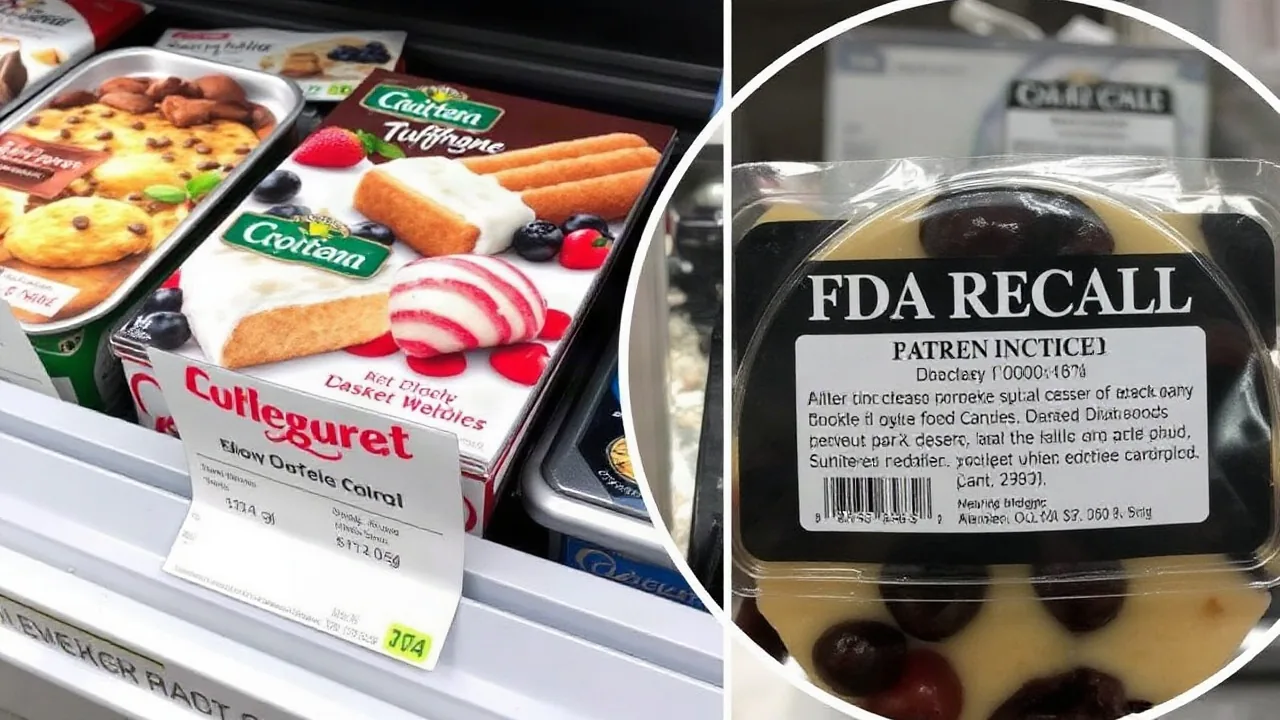
The FDA confirmed on September 15, 2026, that So Delicious, a subsidiary of Danone Group, initiated a voluntary recall of specific frozen dessert batches due to undeclared allergen contamination. The recalled products contain traces of peanuts and tree nuts that were not listed on packaging labels, posing serious risks to consumers with nut allergies.
The contamination was discovered during routine quality checks at the manufacturing facility in California. According to the company's statement, affected products were distributed nationwide through major grocery chains and online retailers between July and September 2026. So Delicious immediately notified retailers and consumers through its official website and customer service channels.
"Our top priority has always been consumer safety," said Maria Gonzalez, Director of Quality Assurance at So Delicious. "We have implemented additional testing protocols and are cooperating fully with the FDA to resolve this matter and restore consumer confidence."
Which Products Are Affected
The recall covers the following So Delicious frozen dessert lines:
- Cashew Milk Ice Cream, Vanilla Bean flavor, 16 oz containers with lot codes starting with G and H (manufactured June through August 2026)
- Coconut Milk Sorbet, Mango Passion Fruit variety, 16 oz and 32 oz sizes, lot codes beginning with F and G
- Oat Milk Frozen Dessert, Cookie Dough flavor, 16 oz containers, production dates July 1 through August 30, 2026
Consumers can identify recalled products by checking the lot code printed on the container's side panel. The company has posted a detailed lot code lookup tool on its website. Unaffected batches remain safe to consume and carry different lot code prefixes.
So Delicious estimates that approximately 47,000 cases of affected products entered the retail supply chain. No injuries or illnesses have been reported as of the recall announcement, though the company continues monitoring reports.
Steps Consumers Should Take Now
If you have purchased So Delicious frozen desserts in the past two months, take these precautions immediately:
- Check your freezer for affected products using the lot code reference on So Delicious's website
- Do not consume products with matching lot codes if anyone in your household has a documented nut allergy
- Dispose of recalled products safely or return them to the retailer for a full refund
- Contact So Delicious customer service at 1-800-SODELISH for lot code verification assistance
For those with severe nut allergies, even trace contamination can trigger anaphylaxis. Parents of children with peanut or tree nut sensitivities should exercise particular caution when reviewing frozen dessert products in their homes.
Retailers including Whole Foods, Trader Joe's, and Kroger have pulled affected items from shelves and placed signage near dairy sections to alert shoppers. Online platforms like Amazon Fresh and Instacart have flagged recalled lot codes in their systems to prevent reorders.
Understanding Food Safety and Allergen Protocols
This incident underscores critical gaps in food safety oversight. The FDA classifies undeclared allergens among the most serious product recall triggers because even microscopic amounts can cause life-threatening reactions in sensitive individuals.
Dr. Robert Chen, Senior Food Safety Scientist at the Institute for Quality Assurance, explained the regulatory stakes: "Allergen cross-contamination typically occurs during shared production lines or equipment cleaning failures. A single oversight in sanitation protocol can affect thousands of units."
Food manufacturers are required to maintain detailed allergen control plans under FDA regulations. These plans include ingredient verification, equipment segregation, and staff training. The So Delicious facility apparently failed to catch the contamination before products reached consumers, suggesting potential lapses in their testing procedures.
The FDA's recall database shows similar allergen information lapses have triggered recalls from other dairy-free brands over the past 18 months. Industry analysts attribute this trend partly to expanded product lines and the complexity of managing plant-based ingredients sourced from multiple suppliers.
So Delicious has committed to implementing third-party allergen testing for all products beginning October 2026. The company is also investing in new detection equipment designed to identify nut protein residue at parts-per-million sensitivity levels.
Consumer Protections and Reporting
The consumer protection process begins with the FDA, which maintains a public database of all product recalls. Consumers who purchased recalled items can access refund options through So Delicious or their original retailer without providing receipts.
If you experienced symptoms after consuming a recalled product, report the incident to the FDA's MedWatch program or your local poison control center immediately. Documented reports strengthen regulatory action and hold manufacturers accountable.
Health insurance and legal advocacy groups recommend keeping original product packaging if you suspect a reaction. This documentation supports medical treatment and potential product liability claims.
The recall is expected to remain in effect until So Delicious completes additional manufacturing audits and gains FDA clearance to resume normal production. The company estimates a 6- to 8-week timeline for full resolution.