
Pride Month 2026: EV Accessibility and Inclusion Initiatives
Major automakers launch targeted programs for LGBTQ+ communities during Pride Month 2026, expanding electric vehicle accessibility through inclusive design and community partnerships.

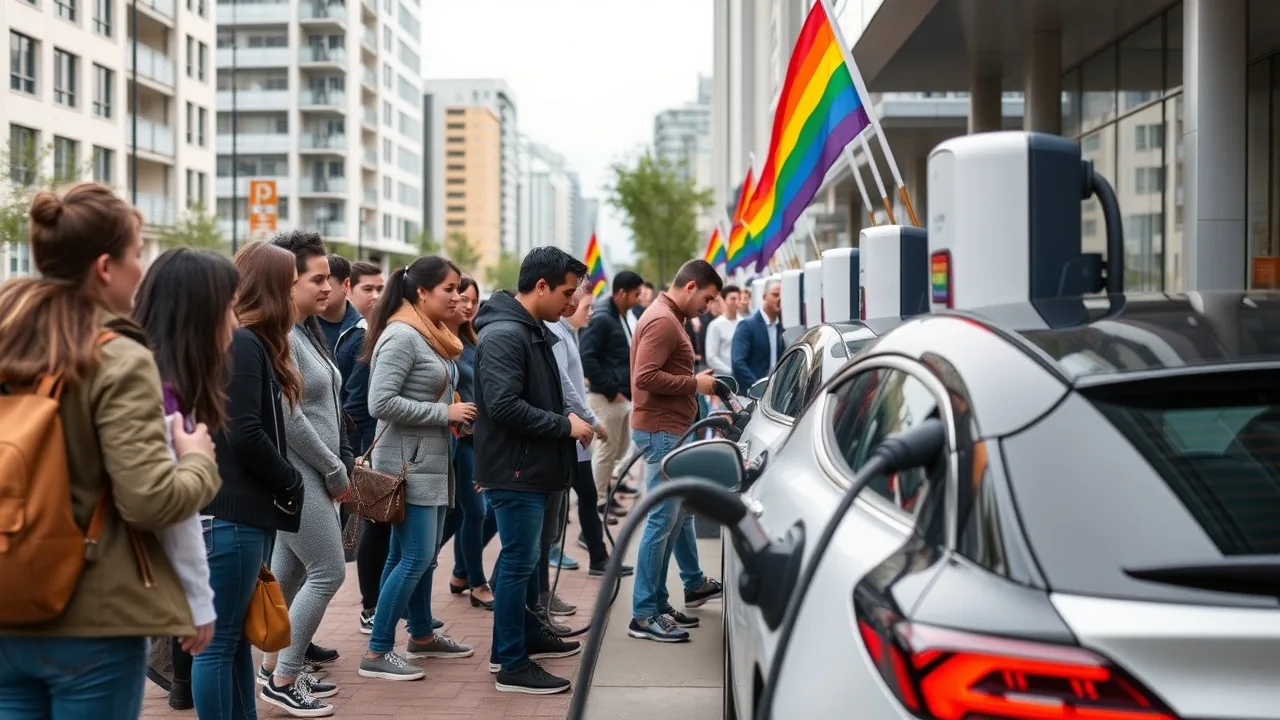
Tesla announced on June 1, 2026, that it will establish dedicated EV charging stations at Pride festivals across 12 major U.S. cities this summer, marking a significant shift in how the automotive industry approaches LGBTQ+ community engagement during Pride Month. The initiative reflects a broader industry recognition that electric vehicle adoption and diversity efforts are no longer separate corporate initiatives but interconnected priorities.
General Motors, Ford, and several European manufacturers have similarly rolled out programs throughout June, targeting underrepresented communities in the EV market. These efforts range from scholarship programs for LGBTQ+ automotive technicians to inclusive marketing campaigns and vehicle customization options that reflect diverse customer preferences.
"Electric vehicles represent freedom and innovation, values that resonate deeply within LGBTQ+ communities," said Maria Gonzalez, Senior Vice President of Diversity and Inclusion at General Motors, in a statement issued June 2. "By making electric vehicles more accessible and visible to underrepresented groups, we're not just selling cars. We're contributing to a more equitable transportation future."
Market Data and Current Adoption Trends
Data from the International Energy Agency released in May 2026 shows that LGBTQ+ households currently represent approximately 8% of the U.S. population but account for only 5.2% of new EV purchases. Industry analysts attribute this gap partly to affordability concerns and partly to a perception that the EV market has not actively addressed LGBTQ+ consumers.
Ford's 2026 Diversity Report, released alongside a new inclusion-focused advertising campaign, reveals that dealerships with active LGBTQ+ community partnerships report 18% higher customer satisfaction ratings and 12% higher EV sales volume compared to peers without such programs. These metrics have prompted competitors to expand their own initiatives rapidly.
- Tesla's charging station expansion: 12 cities, 45 new fast-chargers by August 2026
- General Motors LGBTQ+ technician scholarship: $5 million committed through 2028
- Ford community partnerships: 28 Pride organizations across the Midwest and South
- Volkswagen North America diversity hiring: targeting 15% LGBTQ+ recruitment by 2027
The automotive industry's shift reflects changing demographics and consumer expectations. Research from Deloitte, published in April 2026, found that 73% of LGBTQ+ consumers age 25-45 consider a company's diversity record when making major purchases, including vehicle decisions.
Accessibility Design and Feature Innovation
Beyond marketing and community outreach, manufacturers are incorporating inclusive design principles into EV development itself. Hyundai's new Ioniq 6 trim, launched in June 2026, features customizable interior lighting systems specifically researched with transgender and non-binary focus groups to improve personal expression within vehicle cabins.
BMW announced that its 2027 i5 electric sedan will include gender-neutral voice assistant options and expanded personalization settings, addressing feedback from LGBTQ+ owners who reported feeling excluded by rigid vehicle interface designs. These technical changes, while seemingly small, signal that diversity considerations are influencing product development, not just marketing messaging.
Accessibility for disabled LGBTQ+ individuals has also emerged as a priority. Kia's charging network partnership with the Human Rights Campaign, formalized in May 2026, includes wheelchair-accessible charger installations and partnerships with LGBTQ+ disability organizations to ensure that mobility innovations benefit all community members.
Several manufacturers have expanded financing programs as well. Nissan's June 2026 announcement of a 0.9% APR financing offer for first-time EV buyers who identify as LGBTQ+ aims to address historical inequities in lending discrimination that members of the community report experiencing. The program runs through the end of Pride Month and has already generated interest from over 8,000 applicants.
Industry-Wide Momentum and Future Outlook
The convergence of Pride Month initiatives and EV expansion is not coincidental. Industry observers note that electric vehicles align with LGBTQ+ cultural values around sustainability, innovation, and personal freedom. As the EV market matures and competition intensifies, manufacturers recognize that inclusive brand positioning and targeted community engagement offer competitive advantages.
Trade associations have begun to formalize these commitments. The Alliance for Automotive Innovation released a June 2026 statement affirming that member companies support equitable EV accessibility and workplace diversity. This coordination, unprecedented in automotive industry messaging during Pride Month, suggests that diversity initiatives are moving beyond single-company gestures toward sector-wide standards.
Consumer advocacy groups remain cautiously optimistic. "What we're seeing this June is more substantive than previous years," said James Chen, Director of Transportation Policy at the National LGBTQ+ Chamber of Commerce. "The challenge now is ensuring these commitments persist beyond June and translate into measurable changes in hiring, product design, and community investment."
Looking ahead to the remainder of 2026, stakeholders will monitor whether EV sales within LGBTQ+ communities increase, whether dealership hiring practices shift toward greater diversity, and whether manufacturers integrate inclusive design principles as standard practice rather than optional features. The stakes are significant: the electric vehicle market is projected to grow 35% annually through 2030, making questions of equity and access increasingly urgent for both industry and consumers.