
Alyce Huckstepp Advances Clean Energy Innovation in 2026
Engineer and clean energy advocate Alyce Huckstepp is driving breakthrough technologies in sustainable power systems. Her recent work is reshaping how utilities and industries approach carbon-free solutions.

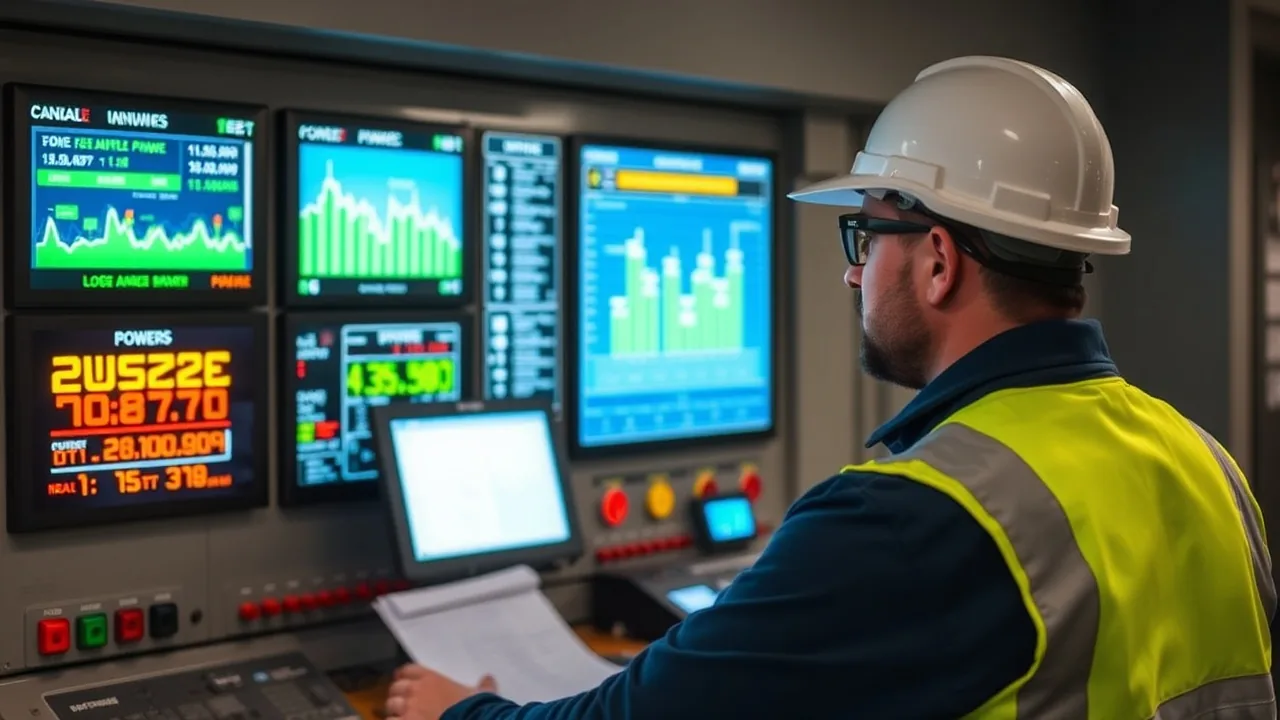
Alyce Huckstepp, a prominent engineer and clean energy technologist, has emerged as a key voice in advancing next-generation power systems across North America in 2026. Her focus on practical, scalable solutions for decarbonization has positioned her at the intersection of policy, technology, and industry investment.
Huckstepp's career centers on bridging the gap between laboratory innovation and real-world deployment. Rather than pursuing purely theoretical research, she has consistently prioritized technologies that can move from prototype to grid integration within measurable timeframes.
Core Areas of Focus in Energy Innovation
Huckstepp's work spans multiple fronts within the clean energy sector. Her primary contributions include research into grid modernization, energy storage optimization, and the integration of variable renewable sources into existing utility infrastructure.
A central theme in her recent projects involves solving the intermittency challenge posed by solar and wind generation. Rather than treating battery storage as the sole answer, Huckstepp has explored hybrid approaches combining thermal systems, demand response, and advanced forecasting algorithms.
"The future of sustainable power systems depends on our ability to think beyond single-technology solutions," Huckstepp stated in an interview with the American Clean Energy Association in April 2026. "We need orchestrated portfolios of technologies that reinforce each other's strengths and compensate for their weaknesses."
Her research team has published findings on microgrid resilience, focusing on how distributed generation can serve both reliability and emissions reduction goals simultaneously. This dual-benefit approach appeals to utilities facing regulatory pressure and infrastructure aging concerns.
Recent Projects and Industry Impact
In the first half of 2026, Huckstepp has been instrumental in several high-profile initiatives:
- Co-leading a multi-state consortium studying grid modernization pathways for the Pacific Northwest
- Advising three major utilities on retirement timelines for coal-fired generation and transition strategies
- Publishing peer-reviewed research on thermal energy storage for industrial process heat
- Serving as technical lead on a Department of Energy pilot project evaluating green hydrogen for long-distance transmission
Her work with utilities has gained traction because it acknowledges real financial and operational constraints. Huckstepp doesn't propose instant wholesale infrastructure replacement; instead, she maps phased transitions that respect existing capital investments while accelerating decarbonization timelines.
One of her most-cited 2025 reports examined the economics of extending nuclear plant operating licenses versus accelerating wind and solar capacity additions. The analysis showed that context-dependent decisions, rather than ideology-driven blanket policies, often yield the lowest-cost emissions reduction paths for specific regions.
Why Her Approach Matters Now
Energy innovation in 2026 faces a critical credibility test. Stakeholders are fatigued by solutions that work only in ideal conditions or require complete economic restructuring. Huckstepp's emphasis on pragmatism has given her outsized influence among regulated utilities and state energy offices.
The convergence of electrification demand, aging grid infrastructure, and tightening carbon targets creates both urgency and complexity. Industrial facilities are transitioning to electric heating; vehicle fleets are shifting to battery power; data centers are consuming unprecedented electricity volumes. All of this arrives while much of the transmission network was designed for a different era.
Huckstepp has positioned green tech investment around this reality. Her consulting work emphasizes grid capacity planning, workforce retraining in fossil fuel-dependent regions, and financing mechanisms that don't rely on hypothetical future carbon prices.
"The largest barrier to clean energy deployment is not technological," Huckstepp told a May 2026 energy finance summit. "It's institutional and financial. We have the tools. What we need is permission and capital structures that allow utilities and industry to move faster without bankrupting themselves."
Her advocacy for streamlined permitting has gained bipartisan support, particularly in regions where transmission bottlenecks are throttling renewable capacity. Several state legislatures have adopted her recommendations for expedited environmental review processes for grid upgrades that increase renewables integration.
Huckstepp's visibility in the mainstream energy press reflects a broader shift in how the sector evaluates leadership. Five years ago, the most prominent clean energy voices were often activists or venture capitalists pursuing moonshot technologies. Today, engineers who can explain tradeoffs and navigate institutional obstacles command significant attention and influence funding decisions.
Her ongoing work in 2026 includes advising on carbon pricing mechanisms, developing training curricula for grid operators managing high renewable penetration, and researching long-duration energy storage technologies for seasonal balancing. These efforts maintain her focus on closing the gap between ambition and execution.