
Climate Tech Solutions Reshaping the Clean Energy Sector
Innovative climate tech startups and established firms are deploying advanced solutions to accelerate the global transition to clean energy and meet net-zero targets.

Eileen Wang, a venture investor focused on climate technology, recently highlighted a wave of startups delivering tangible emissions reductions across energy, transportation, and industrial sectors. The climate tech space has matured from concept-stage experiments to market-ready solutions attracting billions in annual funding.
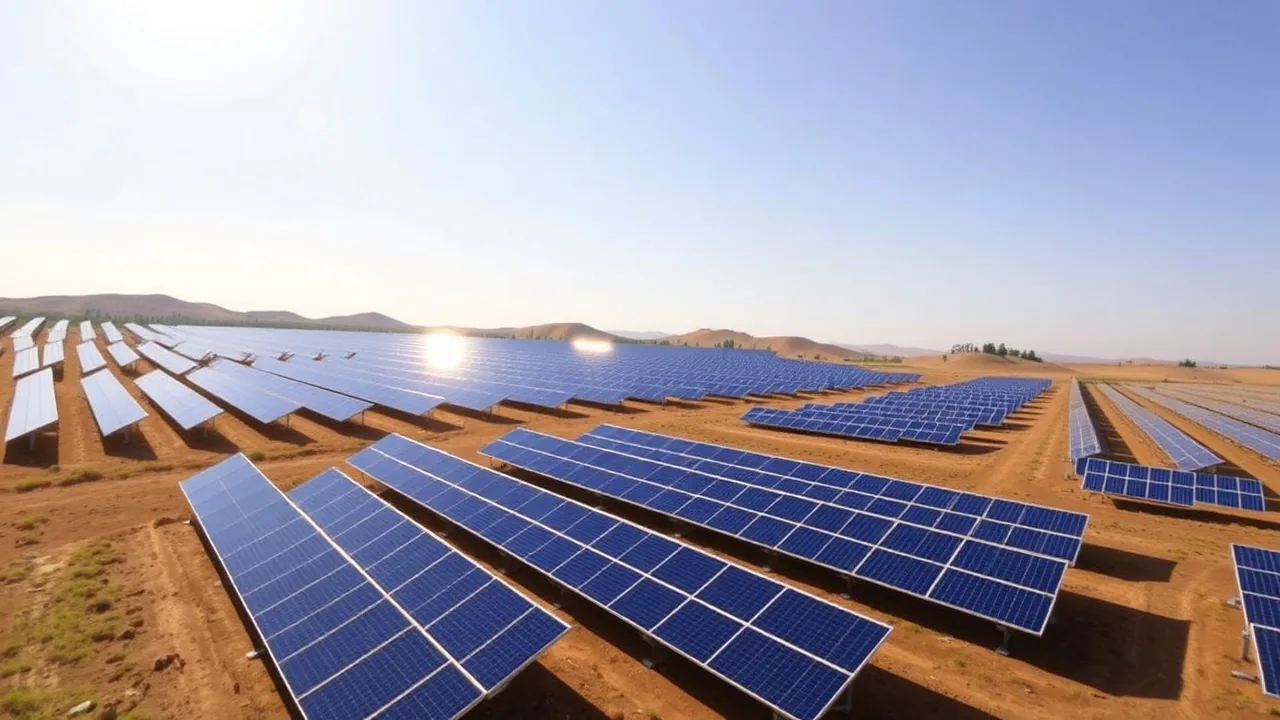
The global clean energy transition is no longer a distant goal. Companies are now deploying renewable energy systems, carbon capture technologies, and smart grid platforms that measurably reduce greenhouse gas output. Investment in these sectors reached $623 billion in 2023, a 17 percent increase from the prior year, according to BloombergNEF data released in January 2024.
"The opportunity is not just in reducing emissions, but in building profitable, scalable businesses that solve real problems for manufacturers, utilities, and consumers," Wang noted in a recent industry panel. Her perspective reflects a broader shift: climate tech is no longer driven primarily by regulation or subsidy, but by genuine market demand and operational cost savings.
Core Technologies Reshaping Energy Systems
Climate tech encompasses several distinct categories now competing for deployment capital and customer adoption:
- Advanced battery systems and energy storage for grid stabilization and EV charging infrastructure
- Direct air capture and carbon utilization methods that remove CO2 from the atmosphere
- Precision agriculture technology that reduces methane and nitrous oxide emissions from farming
- Industrial heat pumps and electrification solutions for manufacturing facilities
- Hydrogen production through electrolysis powered by renewable electricity
Each category addresses specific industrial pain points while contributing to broader decarbonization targets. A steel mill retrofitted with electric arc furnaces can cut energy costs by 12 to 15 percent while slashing emissions by up to 70 percent, according to recent analysis from the International Energy Agency.
Venture capital firms have moved beyond speculative bets on unproven concepts. Funding now flows toward companies with operational traction, clear customer acquisition strategies, and credible pathways to profitability within 7 to 10 years.
The Corporate Shift to Climate Solutions
Large corporates increasingly view sustainability commitments as competitive advantage, not obligation. Companies with aggressive ESG targets are signing long-term power purchase agreements with renewable energy developers, investing in carbon offsets, and retrofitting supply chains with low-emission alternatives.
Microsoft committed to becoming carbon negative by 2030, pledging to invest $1 billion in climate innovation funds. Google accelerated its grid-powered renewable transition, with 80 percent of its electricity sourced from carbon-free sources as of late 2023. These pledges drive demand for environmental technology solutions that can scale across distributed facilities and regions.
Tech giants are not alone. Financial institutions, consumer goods manufacturers, and logistics companies are deploying climate tech across operations. Adoption rates suggest that corporate climate tech spending will exceed $500 billion annually by 2030, according to McKinsey analysis from February 2024.
Regulatory frameworks have also tightened. The EU's Carbon Border Adjustment Mechanism, effective 2024, taxes imports of steel, cement, aluminum, and fertilizers based on embedded carbon content. This mechanism incentivizes companies worldwide to adopt clean energy and low-carbon processes to avoid tariffs and remain price-competitive.
Challenges and Scaling Questions
Despite rapid growth, climate tech faces substantial barriers. Many solutions require significant upfront capital investment, skilled technical talent remains scarce, and supply chains for critical minerals like lithium and cobalt are under strain.
Permitting delays slow deployment of wind farms, solar installations, and transmission lines. The average utility-scale solar project in the United States faces an 18 to 24-month permitting timeline, constraining deployment velocity. Streamlined approval processes, now under discussion in several states, could accelerate installation rates by 30 to 40 percent.
Energy storage remains expensive relative to fossil fuel backup power. While battery costs have declined 89 percent since 2010, long-duration storage solutions (4 to 12-hour discharge windows) still lack cost parity with natural gas peaking plants in many markets. Emerging technologies such as gravity storage, thermal storage, and compressed air systems are entering demonstration phases.
Talent concentration in coastal tech hubs creates geographic bottlenecks. Engineers with expertise in grid modernization, renewable energy integration, and materials science command premium salaries and face intense competition for hiring. Expanding educational pipelines in secondary and tertiary institutions will be critical to sustaining growth through 2035.
Climate tech companies are also contending with supply chain complexity. A single solar panel may contain materials sourced from 10 to 15 countries, each with varying environmental and labor standards. Ensuring transparency and authenticity in carbon accounting remains technically difficult and costly.
Despite these obstacles, momentum remains strong. Incumbent energy and industrial companies are acquiring or partnering with climate tech specialists rather than building in-house. This consolidation accelerates technology deployment while providing startups with distribution channels and customer relationships that would take years to develop independently.
The convergence of corporate climate commitments, tightening regulation, falling technology costs, and growing investor appetite suggests that climate tech will remain one of the fastest-growing sectors in the global economy. Companies that can demonstrate measurable emissions reductions, achieve cost parity or superiority with incumbent solutions, and operate at scale will define the clean energy infrastructure of the next decade.