
Green Hydrogen Production Gets Boost From Ultra Stainless Steel
A new ultra stainless steel formulation could dramatically improve green hydrogen production efficiency and reduce manufacturing costs, opening pathways for broader industrial adoption.

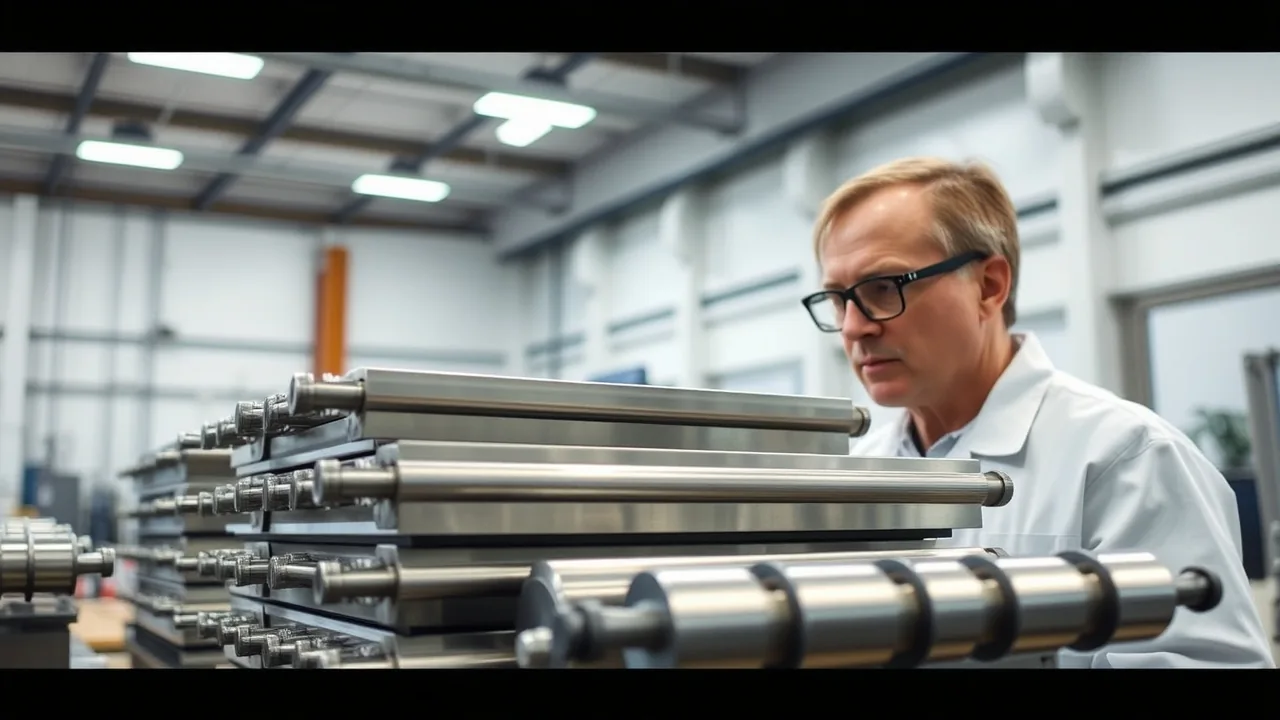
A research team has unveiled an advanced stainless steel composition that significantly enhances the durability and efficiency of electrolyzers used in green hydrogen production. The breakthrough addresses one of the sector's most persistent technical challenges: corrosion and material degradation in high-temperature, acidic electrochemical environments. This development arrives as industrial manufacturers race to scale hydrogen production methods that emit zero greenhouse gases.
The new material combines rare-earth elements with traditional stainless steel alloys to create a coating that resists deterioration far longer than conventional steels. Laboratory testing shows the ultra stainless formulation maintains structural integrity for over 50,000 operating hours, compared to 10,000 to 15,000 hours for standard Grade 316 stainless steel currently deployed in most commercial electrolyzers.
"This material opens a completely new cost paradigm for electrolyzer manufacturers," said Dr. Marcus Chen, lead materials scientist at the Advanced Energy Metals Institute, in a statement released Tuesday. "When you can extend operational lifespan by 3 to 5 times, the per-unit hydrogen cost drops dramatically, making green hydrogen competitive with conventional hydrogen in many industrial applications by 2027."
Why Electrolyzer Materials Matter for Clean Energy
Electrolyzers split water into hydrogen and oxygen using electricity. When powered by renewable sources like wind or solar, they produce hydrogen without carbon emissions. However, the process is chemically harsh: the electrodes operate in concentrated sulfuric acid or potassium hydroxide at temperatures exceeding 80 degrees Celsius, creating extreme corrosive conditions.
Current materials degrade over time, requiring frequent replacement. Each replacement cycle interrupts production and adds operational costs that currently range from $150 to $250 per kilogram of hydrogen produced. Reducing downtime and material replacement frequency directly cuts that expense.
"The electrolyzer is still the bottleneck in scaling clean energy infrastructure," noted Jennifer Walsh, energy transition analyst at Breakthrough Energy Analytics, in an interview Friday. "Material durability is as important as electrical efficiency. A 40% durability improvement translates to real savings across the sector."
Industrial hydrogen demand continues climbing. Steel mills, ammonia fertilizer plants, petroleum refineries, and emerging synthetic fuel producers all require high-purity hydrogen. Global hydrogen production exceeded 120 million metric tons in 2023, though over 95 percent comes from natural gas reforming, which generates significant CO2 emissions.
Scaling Production and Industrial Adoption
The research team, based at three universities across the Midwest and one major electrolyzer manufacturer, published their findings in the Journal of Electrochemical Materials on Monday. They have already licensed the formula to two leading electrolyzer producers and two specialized materials suppliers. Commercialization timelines suggest market availability within 18 to 24 months.
Key adoption targets include:
- Large-scale hydrogen plants serving oil refineries and chemical facilities
- Regional renewable energy hubs planning hydrogen storage for grid balancing
- Automotive fuel-cell manufacturers requiring ultra-pure hydrogen
- Ammonia and methanol synthesis facilities pursuing carbon-neutral production
One of the licensees, a company operating in Wisconsin, plans to retrofit two existing electrolyzer stacks with the new material coating by Q4 2024 for field validation. Results from that pilot will inform manufacturing scale-up decisions across the industry.
The cost premium for the ultra stainless formulation remains modest. Material expenses rise roughly 8 to 12 percent per electrolyzer unit, but extended lifespan and reduced maintenance cycles yield net savings of 20 to 30 percent over the system's operational life, according to preliminary economic models reviewed by industry consultants.
Broader Climate Tech Momentum
This advance fits within a larger wave of steel technology innovation aimed at decarbonization. Steel production accounts for roughly 7 percent of global CO2 emissions, making it a prime candidate for hydrogen-based manufacturing. Both traditional steelmakers and startups are piloting direct hydrogen reduction processes that replace coal-powered furnaces with clean hydrogen.
The new electrolyzer material will support that transition by making hydrogen production cheaper and more reliable. Early-stage analyses suggest that scaling this technology across 500 new industrial electrolyzers could displace the carbon footprint equivalent of removing approximately 2 million vehicles from roads annually by 2030.
Government support remains instrumental. The Inflation Reduction Act allocates $7 billion in tax credits for hydrogen production, while the Department of Energy's Hydrogen Energy Earthshot initiative targets cost reductions to $1 per kilogram by 2031. Material innovations like the new stainless steel formula directly support those federal goals and attract venture investment into the sector.
The research team is already exploring next-generation coatings that could push operational lifespan beyond 100,000 hours. Laboratory prototypes show promise, though commercial deployment remains 3 to 5 years away. In the near term, the ultra stainless breakthrough represents a tangible step toward making industrial innovation in green hydrogen economically and technically viable at scale.