
Bering Sea Hybrid Crab Boom Linked to Warming Waters in 2025
Record numbers of rare hybrid crabs appeared in the Bering Sea in 2025, baffling fishermen. New research indicates that rising ocean temperatures are the likely cause.

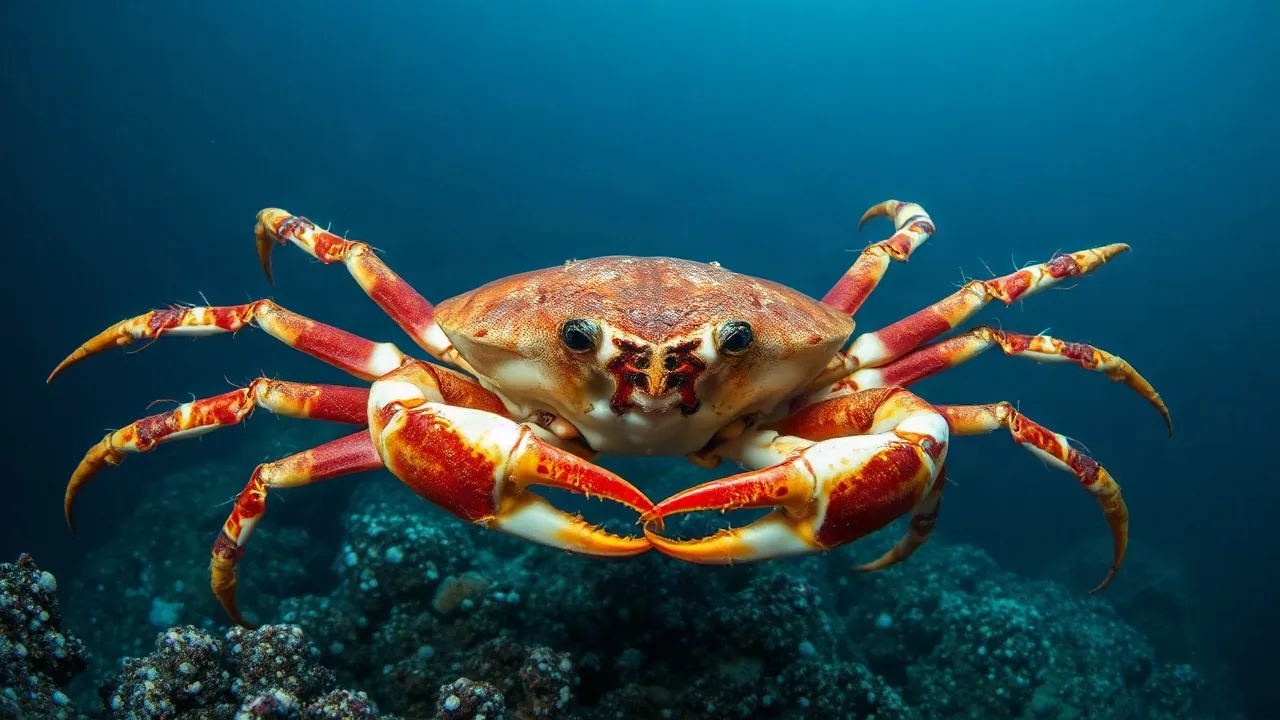
In 2025, fishermen in the frigid Bering Sea began hauling in an astonishing number of a rare hybrid crab species, a phenomenon that puzzled marine biologists and the fishing industry alike. Trawlers operating in the waters off Alaska reported unprecedented catches of this elusive crustacean, sparking investigations into the cause of this sudden population surge. Now, a recent study suggests that warming ocean temperatures, a persistent consequence of climate change, are behind the record-breaking hauls.
The hybrid crab, a cross between the commercially valuable red king crab and the snow crab, was previously an infrequent catch, often considered a rarity. However, the dramatic increase in 2025 marked a significant departure from historical data. Scientists at the University of Alaska Fairbanks, in collaboration with the National Oceanic and Atmospheric Administration (NOAA), have been analyzing catch data and environmental factors to explain this ecological anomaly. Their findings, published this month, point directly to shifts in sea surface temperatures.
Ocean Warming Fuels Hybrid Crab Proliferation
The study indicates that the unusually warm waters recorded in the Bering Sea during the preceding years created an ideal environment for the hybrid crab to thrive and reproduce. "We observed a clear correlation between elevated sea temperatures and the increased prevalence of these hybrid crabs in fishing grounds," stated Dr. Evelyn Reed, lead marine biologist on the study. "Warmer waters appear to have facilitated mating between red king crabs and snow crabs, species that typically occupy slightly different ecological niches and breeding seasons."
For decades, scientists have monitored the Bering Sea ecosystem, noting gradual changes attributed to global warming. The decline of sea ice, altered ocean currents, and shifts in prey availability are among the documented impacts. The sudden abundance of hybrid crabs is now being viewed as a direct, visible consequence of these broader environmental changes. This development raises concerns about the long-term health of the Bering Sea's unique marine biodiversity and the potential disruption to established food webs.
The implications extend beyond scientific curiosity. The Bering Sea is a critical region for global fisheries, supporting lucrative crab and pollock industries. The unexpected surge in hybrid crabs could impact the management of existing fisheries, as conservation efforts often focus on distinct species. Furthermore, the increased presence of this hybrid may signal shifts in predator-prey dynamics, potentially affecting populations of other marine animals that rely on traditional crab species for sustenance. Researchers are now focused on understanding whether this is a temporary fluctuation or a sustained ecological shift driven by continued warming trends.
"Our data suggests that the reproductive windows for both red king crab and snow crab may be overlapping more frequently due to temperature changes, making hybridization more likely," Dr. Reed added. "We need to conduct further research to determine the long-term viability and ecological role of this hybrid species in the Bering Sea ecosystem." The findings underscore the intricate ways in which climate change is reshaping marine environments worldwide, often in unpredictable ways.