
Stanford Method Reverses Coral Bleaching Rapidly
Researchers at Stanford University have developed a groundbreaking method to rapidly reverse coral bleaching, offering new hope for threatened reef ecosystems worldwide. The technique has shown remarkable success in initial trials.

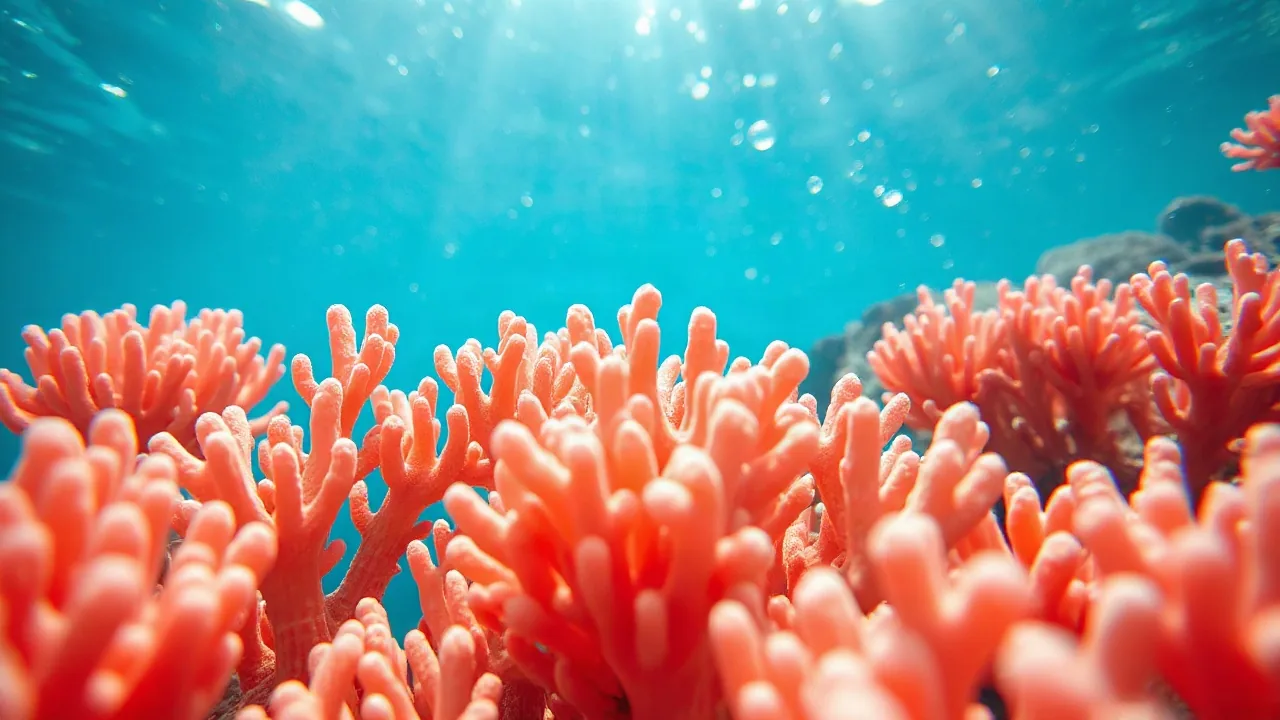
Researchers at Stanford University have announced a significant breakthrough in the fight against coral bleaching, developing a novel method that has successfully reversed the damaging process at an unprecedented speed. The findings, published recently, offer a glimmer of hope for the world's struggling coral reef ecosystems, which are increasingly imperiled by rising ocean temperatures.
The new technique focuses on manipulating the symbiotic algae, known as zooxanthellae, that live within coral tissues and provide them with color and nutrients. When corals are stressed by heat, they expel these algae, a phenomenon known as bleaching, leaving the coral white and vulnerable. The Stanford team's method involves carefully reintroducing or stimulating the growth of these essential algae, effectively reviving the bleached coral.
New Hope for Dying Reefs
Dr. Anya Sharma, lead marine biologist on the project, stated in a press release, "For years, we've viewed bleached corals as being on the brink of death. Our work demonstrates that with the right intervention, these corals can recover remarkably quickly. This is not a lost cause, at all." The experimental trials have shown that treated corals regained their color and vibrancy within weeks, a stark contrast to the often-slow or non-existent recovery seen in natural settings.
The implications of this discovery are vast. Coral reefs are vital marine habitats, supporting an estimated 25% of all marine life and providing crucial coastal protection and economic benefits through tourism and fisheries. However, increasingly frequent and severe marine heatwaves, driven by climate change, have led to widespread coral mortality globally. This new method could provide a powerful tool for conservationists and marine managers to actively restore damaged reefs.
While the specifics of the method are detailed in the research paper, it involves carefully controlled laboratory conditions to optimize the algae's re-establishment within the coral polyps. Early results indicate a high success rate and a low recurrence of bleaching in the treated specimens. The team is now focused on scaling up the process and testing its efficacy in larger, open-water reef environments.
Previous efforts to combat coral bleaching have included cooling surrounding waters or transplanting more heat-resistant coral species. While these have shown some success, they are often resource-intensive and limited in scale. The Stanford method's speed and potential for broader application make it a particularly promising development in the ongoing battle to preserve these underwater treasures.
The researchers emphasize that this method is not a silver bullet for climate change but rather a vital tool to aid reef recovery in the face of ongoing warming. "We must continue to address the root cause of climate change," Dr. Sharma added. "But in the meantime, we have a tangible way to give these incredible ecosystems a fighting chance." Further research is planned to assess any long-term impacts and refine the technique for diverse coral species and reef conditions.