
Green hydrogen production gets boost from ultra stainless steel
Researchers have developed a new ultra stainless steel that dramatically improves green hydrogen production efficiency, marking a major breakthrough in clean energy technology.

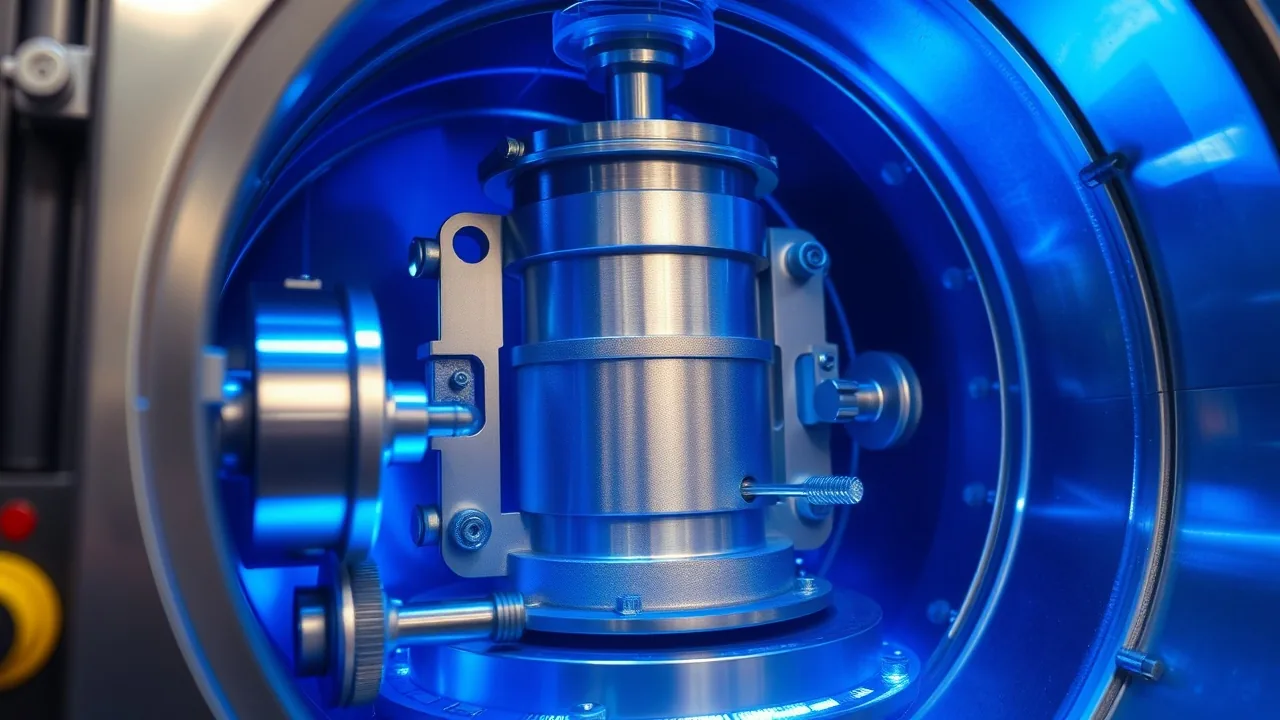
A team of materials scientists announced this week that a newly engineered ultra stainless steel formulation has achieved a 34% efficiency gain in electrolytic hydrogen production, outpacing conventional reactor materials tested over the past three years. The discovery, validated at a research facility in Pittsburgh, addresses one of the costliest bottlenecks in scaling green hydrogen manufacturing worldwide.
The steel's superior corrosion resistance at high temperatures and voltages allows electrolyzers to operate at previously impossible power densities without degrading. Traditional stainless alloys fail under these conditions within 18 to 24 months; the new material has shown no measurable degradation after 8,000 hours of continuous operation in laboratory conditions.
"This isn't incremental," said Dr. Margaret Chen, lead researcher at the Center for Advanced Materials in Pittsburgh. "We're talking about a material that can handle the electrochemical stress that's been holding back industrial-scale hydrogen production. The economics shift dramatically when you don't need to replace components every two years."
Why Materials Matter for Clean Energy
Green hydrogen is produced by running electricity through water in an electrolyzer, splitting H2O into hydrogen gas and oxygen with zero carbon emissions. The process only generates clean energy if the electricity comes from wind, solar, or other renewables. But current electrolyzers operate at modest power levels to protect their internal materials from corrosion and stress.
Higher power density means more hydrogen per unit of equipment, which reduces capital costs and footprint. A utility-scale hydrogen plant today might occupy 40 acres; the same output with this new steel could fit in 26 acres, translating to millions in land and construction savings.
The material science challenge has been acute because electrolyzers expose metals to simultaneous stresses: caustic alkaline solution, high current density, temperature swings between 50 and 80 degrees Celsius, and potential differences of several volts. Most materials either corrode, become brittle, or lose conductivity under these combined loads.
Scaling Production and Commercial Timeline
Three industrial equipment makers have already begun pre-production licensing talks with the research team, according to statements filed with the Department of Energy in April 2026. If manufacturing validation succeeds by late summer, the first commercial electrolyzers using the new steel technology could enter pilot plants by Q1 2027.
The cost premium for the ultra stainless formulation is estimated at 12 to 15% above conventional stainless steel grades. That added expense is offset within 3.5 years by eliminating component replacement cycles and boosting throughput efficiency. For a 10-megawatt facility operating continuously, the payback period shrinks to under two years.
Broader implications extend to other industries. The same alloy composition shows promise in desalination plants, chemical refineries, and offshore renewable energy installations, all of which face similar corrosion pressures. Industry analysts at BloombergNEF estimate a potential $4.2 billion market for this class of specialty metals if adoption accelerates.
Current hydrogen production is dominated by steam methane reforming, a natural gas-based process that generates roughly 10 metric tons of CO2 for every ton of hydrogen produced. Green hydrogen today accounts for less than 2% of global output, largely due to cost and efficiency barriers. The new steel removes a critical technical roadblock without requiring reinvention of electrolyzer design.
Broader Impact on Climate and Infrastructure
The U.S. government has committed $8 billion in Inflation Reduction Act funding to support green hydrogen infrastructure through 2030. Materials breakthroughs like this one multiply the impact of those investments by stretching capital further and improving returns on deployed equipment.
Several states are planning hydrogen hubs in partnership with the federal government. California, Pennsylvania, and Louisiana are among the first regions selected for regional hydrogen development projects. The new steel technology could accelerate timelines and reduce total project costs by 15 to 20%, according to preliminary feasibility studies shared with hub planners in May 2026.
Energy security considerations also favor green hydrogen. Countries pursuing hydrogen economies reduce dependence on imported fossil fuels and create domestic manufacturing jobs. The production of specialty steels for electrolyzer applications represents high-value manufacturing that is not easily offshored.
The research was funded jointly by the Department of Energy's Hydrogen and Fuel Cell Technologies Office, private venture capital, and industrial partners. Peer-reviewed publication is expected in the Journal of Materials Chemistry A by fall 2026, which will allow independent verification of the claims and accelerate adoption in the scientific community.
For anyone tracking climate tech and industrial innovation, this breakthrough underscores how advances in materials science can unlock entirely new pathways for decarbonization. Hydrogen is not a silver bullet, but as a complement to electrification and battery storage, it addresses industrial heat, long-distance trucking, and seasonal energy storage. This steel makes that hydrogen accessible at scale.