
Apple's A20 Pro Chip Powers Next-Gen iPhone Duo, Benchmarks Reveal
New benchmarks suggest Apple's upcoming A20 Pro chip, expected in the iPhone Duo, offers significant performance gains over current mobile processors. The chip's power could redefine foldable device capabilities.

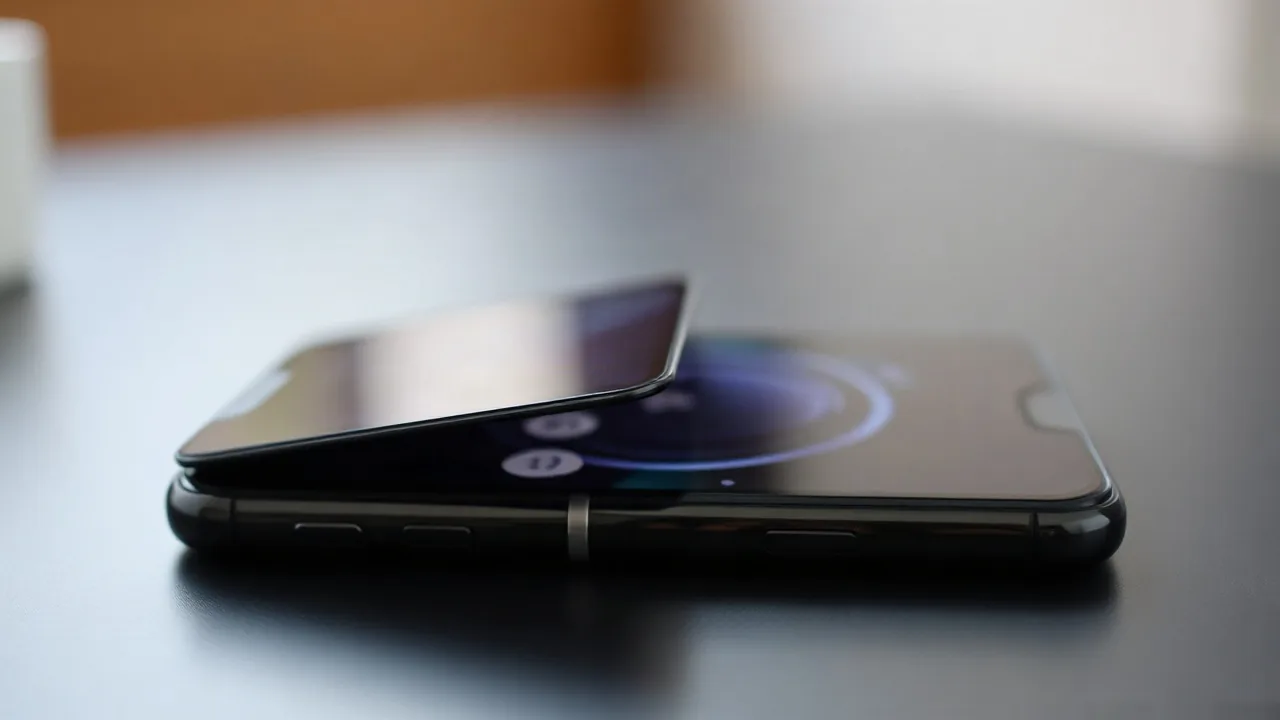
New benchmark data has surfaced, offering a glimpse into the performance capabilities of Apple's unannounced A20 Pro chip, anticipated to power the forthcoming iPhone Duo. The leaked results, appearing on Geekbench, indicate a substantial leap in processing power that could solidify Apple's lead in mobile silicon, particularly for its upcoming foldable device.
The benchmarks show the A20 Pro chip achieving impressive single-core and multi-core scores, surpassing many current high-end smartphone processors. While Apple does not typically comment on unreleased hardware, the consistent appearance of such data fuels speculation about the device's potential, especially as the competitive landscape for foldable phones intensifies with rivals like Samsung and Google.
The iPhone Duo, Apple's first foray into the foldable smartphone market, is expected to leverage the A20 Pro's enhanced performance to deliver a seamless user experience across its unique form factor. This includes improved graphical capabilities for gaming, faster app loading times, and more efficient power management, all critical for a premium foldable device.
Competition Heats Up in Foldable Market
The revelation of the A20 Pro's benchmark scores comes at a critical juncture for the mobile industry. Major manufacturers are aggressively pursuing innovation in the foldable segment. Companies like Samsung have already established a strong presence with multiple generations of their Galaxy Z Fold and Flip series. Google has also entered the fray with its Pixel Fold, aiming to capture a share of the premium market.
Apple's entry, while anticipated, has been shrouded in secrecy. The rumored iPhone Duo, however, is expected to set new standards for foldable devices, potentially integrating advanced features that demand significant processing power. The A20 Pro chip is seen as the linchpin for delivering these capabilities, from advanced multitasking to augmented reality applications that could be uniquely suited to a foldable screen.
Industry analysts suggest that the A20 Pro chip is built on an advanced manufacturing process, likely a 3nm or even an enhanced version of it, allowing for higher transistor density and improved energy efficiency. This is crucial for a device that needs to balance powerful performance with battery life, a common challenge for foldable phones due to their larger displays and complex hinge mechanisms. The performance uplift seen in the benchmarks suggests that Apple is not just aiming to compete, but to lead in the foldable smartphone arena from day one.
While specific details about the iPhone Duo's design and release date remain speculative, the performance gains promised by the A20 Pro chip are a strong indicator of the direction Apple is taking. The company's history of integrating custom silicon to optimize user experience suggests that the iPhone Duo could be a formidable competitor, pushing the boundaries of what foldable smartphones can achieve in terms of both performance and functionality.