
Apple AirPods With Cameras Enter Production Phase for AI Features
Apple is preparing to launch AirPods equipped with integrated cameras, adding AI-powered visual recognition to the wireless audio category. The move signals a major shift in how wearables interact with user environments.

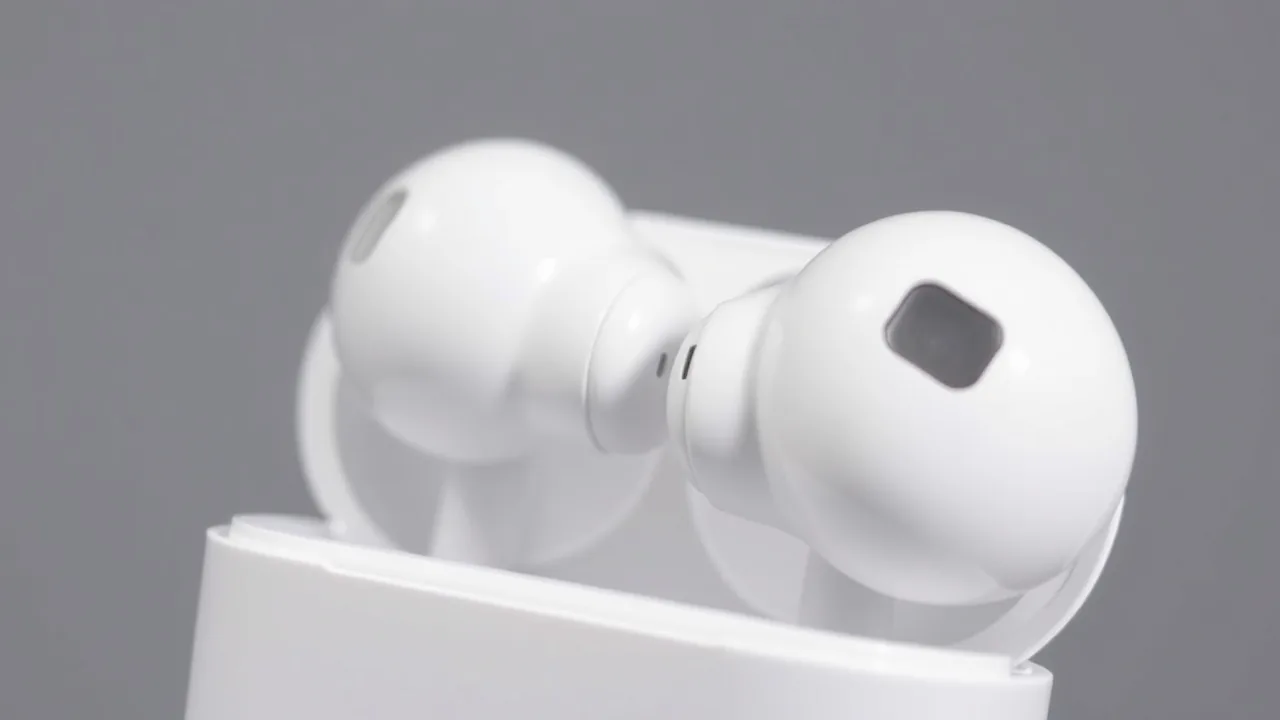
Apple's supply chain is ramping up production on a new iteration of AirPods fitted with built-in camera sensors, according to sources tracking the company's manufacturing timeline. The development marks the first time the tech giant has moved toward embedding visual capture directly into its flagship audio wearable, departing from the microphone and audio-focused design that has dominated AirPods since their 2016 debut.
The camera-equipped Apple AirPods are expected to debut sometime in 2025, enabling new AI features that leverage both spatial awareness and real-time image recognition. Component suppliers in Taiwan and China have begun tooling for the camera modules, and assembly partners are preparing production lines at scale.
What the Camera Hardware Brings to Audio Wearables
The integration of cameras into earbuds creates possibilities that pure audio devices cannot offer. Camera-enabled AirPods would allow Apple to build features around object recognition, visual search, and augmented reality overlays without requiring users to hold up an iPhone or iPad.
Cupertino has filed several patents related to wearable camera placement and computational photography in compact form factors. These filings hint at how the company intends to handle thermal management, power consumption, and privacy constraints that come with adding a visual sensor to a device worn inside or near the ear.
"Wearable cameras represent the next frontier in how consumers interact with AI assistants," said Michael Chen, senior analyst at Techvision Research, in an interview this week. "Apple's move signals that the market is ready to accept visual input as a core part of the wearable ecosystem, not just audio and motion sensors."
The camera module is expected to be small enough to fit into the existing AirPods form factor without significantly increasing weight or charging case dimensions. Early prototypes have used ultra-compact sensors typically found in smartphone gimbal devices and action cameras.
AI and Privacy Trade-offs in the Rollout
Apple has historically positioned itself as privacy-conscious, processing AI features on-device rather than sending raw data to cloud servers. The camera-equipped AirPods will likely follow this playbook, with image analysis happening on the device's custom silicon before any data leaves the user's possession.
However, public perception around wearable cameras remains mixed. The company will face scrutiny over how the device handles consent, data retention, and whether users can easily disable the camera. Previous attempts at camera-integrated wearables, including Google Glass and Snap Spectacles, encountered pushback from privacy advocates and consumers.
Apple's approach will likely include hardware controls and firmware that makes camera status transparent. The company is reportedly designing a physical indicator light that activates whenever the camera is recording or processing images, following regulatory patterns already in place for laptops and tablets.
Pricing for the camera-equipped model is expected to exceed the current AirPods Pro, which start at $249. Initial estimates place the new variant between $300 and $350, positioning it as a premium consumer electronics offering rather than a mass-market product.
Competitive Pressure and Market Timing
Other manufacturers are exploring similar territory. Meta has been developing Llama-enabled Ray-Ban glasses with camera sensors, while Google continues refining its Gemini AI integration across wearables. Apple's move into camera-equipped audio wearables could accelerate the broader industry trend toward multimodal sensors in compact devices.
The timing also aligns with Apple's broader push into spatial computing and on-device AI. The company has made future tech a centerpiece of its product strategy, and small-form-factor AI processing is essential to that vision. Camera-enabled AirPods fit neatly into this roadmap without requiring users to purchase entirely new hardware categories.
Industry observers expect Apple to reveal the product either through a press release or at one of its scheduled events in spring or fall 2025. The company has not officially confirmed the project, but supply chain leaks have become increasingly detailed and reliable over the past 18 months.
Early use cases for the camera will likely include:
- Real-time object and landmark identification when users point their head toward something
- Visual search integration with Siri for restaurant menus, product barcodes, and QR codes
- Augmented reality features that overlay information on the user's field of view
- Gesture and sign language recognition for accessibility features
- Environmental awareness for noise cancellation and spatial audio optimization
The shift also signals Apple's confidence in on-device neural processing. Custom silicon designed for the AirPods line will need to handle camera preprocessing, object detection, and AI inference without draining the battery faster than current models.
Manufacturing sources indicate that initial production runs will be limited, with volumes ramping up only after the first six months of consumer feedback. This phased rollout approach gives Apple time to address privacy concerns and refine the feature set before pushing toward broader adoption.