
Apple Explores New Vision Pro Designs, Lighter Models Eyed
Apple is reportedly developing a next-generation Vision Pro headset, with a focus on lighter designs and potentially multiple form factors. Future iterations aim to address current user feedback.

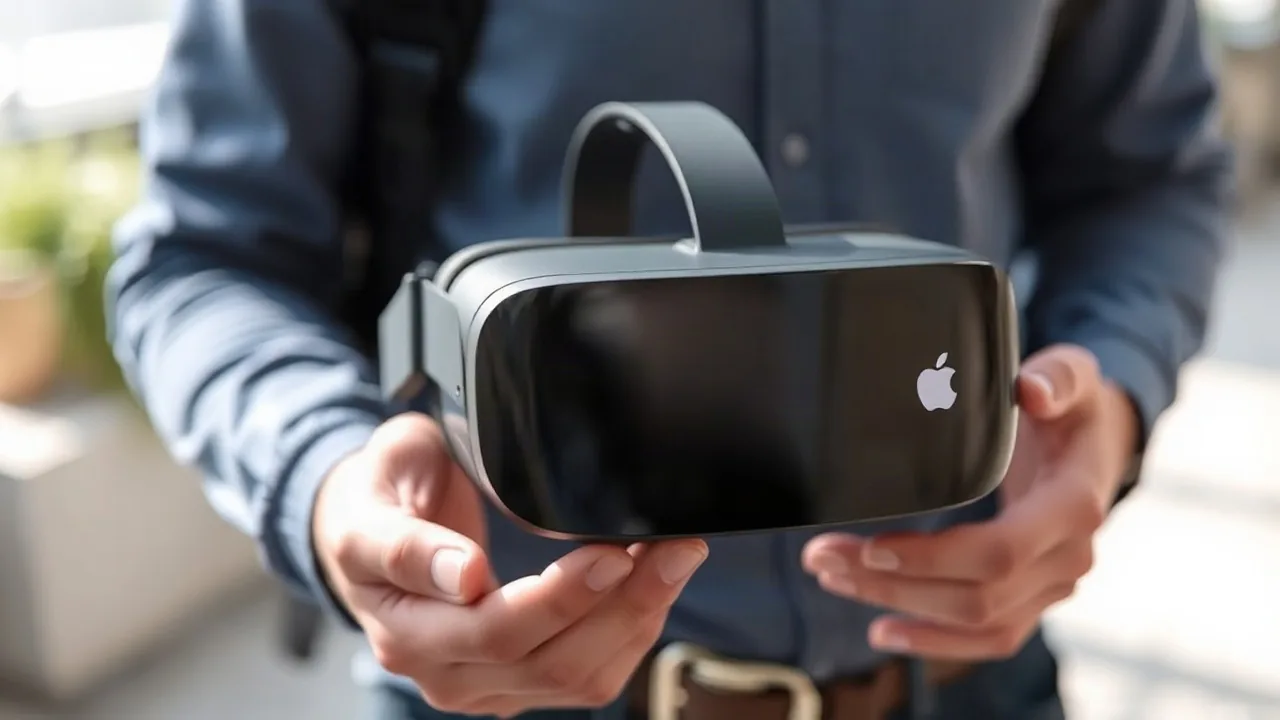
Apple is actively exploring new design directions for its Vision Pro mixed-reality headset, with sources indicating a push towards lighter and more adaptable form factors for future iterations. The Cupertino-based tech giant is reportedly looking beyond a direct successor, investigating various approaches to enhance user comfort and expand the device's appeal. This strategic pivot comes as the company gathers feedback on the initial Vision Pro model, released in early 2024.
The current Vision Pro, while lauded for its technological prowess, has faced scrutiny regarding its weight and comfort for extended use. Apple appears to be heeding this feedback, with internal discussions centering on significantly reducing the headset's bulk. This could manifest not only in a lighter version of the existing design but also in entirely new form factors, although details on these remain speculative.
Addressing User Feedback and Market Potential
The development of new Vision Pro variants signals Apple's commitment to refining its spatial computing strategy. While the initial launch targeted developers and early adopters, Apple's long-term vision likely involves broader consumer adoption. Achieving this requires addressing key usability concerns, primarily the device's physical footprint and weight. Reports suggest that Apple has been experimenting with different materials and internal component layouts to shave off grams.
Industry analysts suggest that Apple's approach to iterative hardware development, exemplified by the iPhone and Apple Watch, is being applied to the Vision Pro line. "The first generation of any complex new product is often a statement of intent, with subsequent generations focusing on refinement and market fit," said tech analyst Sarah Chen. "Apple's willingness to explore multiple form factors for the Vision Pro speaks to their ambition to truly crack the mixed-reality market, rather than just dip a toe in."
While a concrete timeline for these next-generation devices remains unclear, speculation points towards potential releases in the latter half of the decade. The focus on lighter designs could pave the way for more accessible and comfortable extended reality experiences, potentially integrating more advanced features while maintaining a manageable form factor. The exploration of different form factors might also indicate a tiered product strategy, offering distinct options for various user needs and price points.
Apple's continued investment in spatial computing hardware underscores the strategic importance of the Vision Pro platform. By responding to user feedback and actively pursuing innovative design solutions, Apple aims to solidify its position in the burgeoning XR market and define the future of personal computing.