
Apple Glasses Focus on Traditional Eyewear Market, Leak Suggests
New reports indicate Apple Glasses, expected by late 2027, will target the mainstream eyewear market. Apple aims to compete with established brands by prioritizing design and everyday wearability.

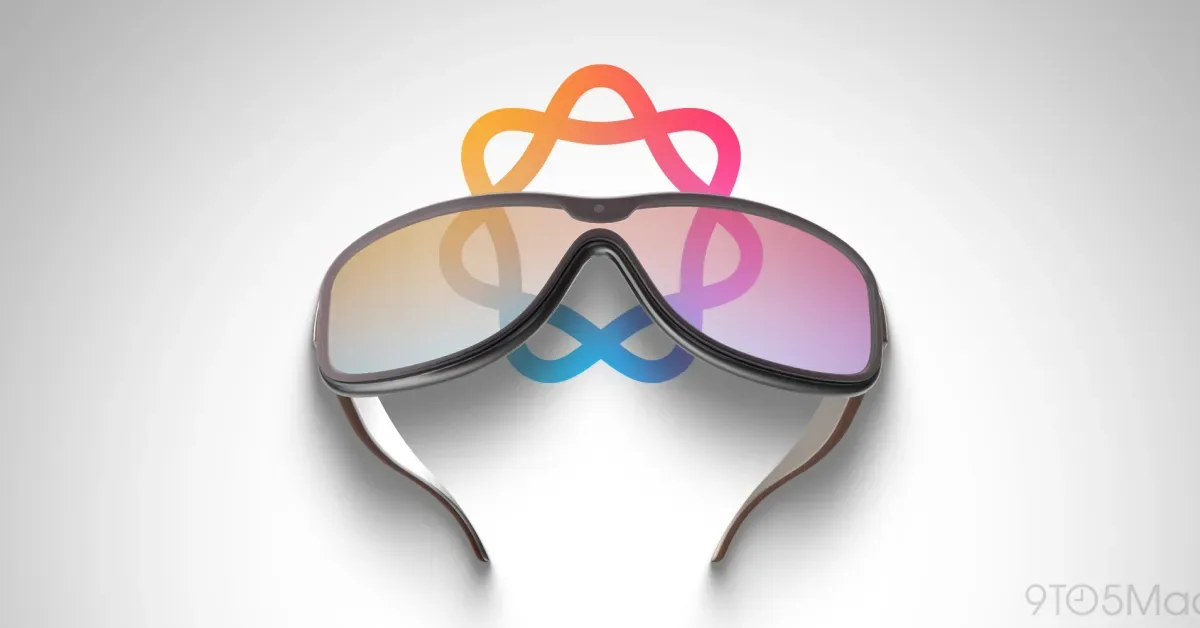
Apple's highly anticipated augmented reality eyewear, often referred to as Apple Glasses, is reportedly being positioned not just as a cutting-edge tech gadget, but as a direct competitor in the traditional eyewear market, according to recent insights. While an official launch is not expected until late 2027, a new report suggests Apple's strategy centers on capturing consumers seeking everyday prescription glasses and sunglasses, a market dominated by established players like EssilorLuxottica.
The strategy, detailed by Bloomberg reporter Mark Gurman, appears to mirror Apple's approach with the Apple Watch, which successfully transitioned from a novel gadget to a mainstream wearable. The tech giant aims to blend its strong brand recognition, sophisticated industrial design, and seamless iPhone integration to persuade customers to choose Apple's offering over those from companies like Ray-Ban, Oakley, and Warby Parker. This segment of the market, typically ranging from $200 to $500, represents a vast opportunity for Apple.
A Shift in Focus for Wearable Technology
This strategic pivot signals a significant departure from the typical focus on advanced, potentially intimidating, augmented reality features. Instead, Apple seems intent on making its glasses look and feel like conventional eyewear. This approach aims to overcome consumer apprehension towards smart glasses, which often carry associations with intrusive technology and privacy concerns. By emphasizing design and normalcy, Apple hopes to broaden the appeal of its AR glasses beyond early tech adopters to a much wider audience.
"The far bigger prize is traditional eyewear," Gurman wrote, highlighting the ambition to compete with brands selling mainstream optical products. The success of this strategy hinges on Apple's ability to deliver a product that is both aesthetically pleasing and comfortable for all-day wear, while still incorporating advanced technology without compromising the core function as a pair of glasses.
The implication of this focus means that the initial iterations of Apple Glasses might forgo some of the more experimental or complex features found in competing smart glasses. However, this trade-off is seen as a necessary step to ensure the product is accessible and appealing to the general population. The emphasis on a familiar form factor is crucial for broader adoption, ensuring that users and those around them feel comfortable with the technology.
This direction is a significant development for the augmented reality sector. While many companies have pursued high-end, feature-rich AR devices, Apple's alleged plan suggests a more grounded, consumer-centric approach. The success of the Apple Watch was predicated on its ability to function exceptionally well as a timepiece before excelling as a smart device. Similarly, Apple Glasses must first prove themselves as desirable, stylish eyewear before their technological capabilities take center stage.
Industry analysts suggest that if Apple can successfully achieve this balance, Apple could redefine the smart glasses market, much like it did with smartphones and smartwatches. The challenge lies in integrating sophisticated sensors, processors, and displays into a form factor indistinguishable from traditional glasses, all while maintaining battery life and affordability targets. The prospect of a device that subtly enhances reality without overtly appearing as technology could be a major draw for a market that has been slow to embrace earlier iterations of smart eyewear.