
Apple Increases iPhone Prices by $100 on Older Models
Apple has raised the prices of its previous iPhone generation models by $100. The price hike affects models like the iPhone 16, 17, and Air, making them less affordable.

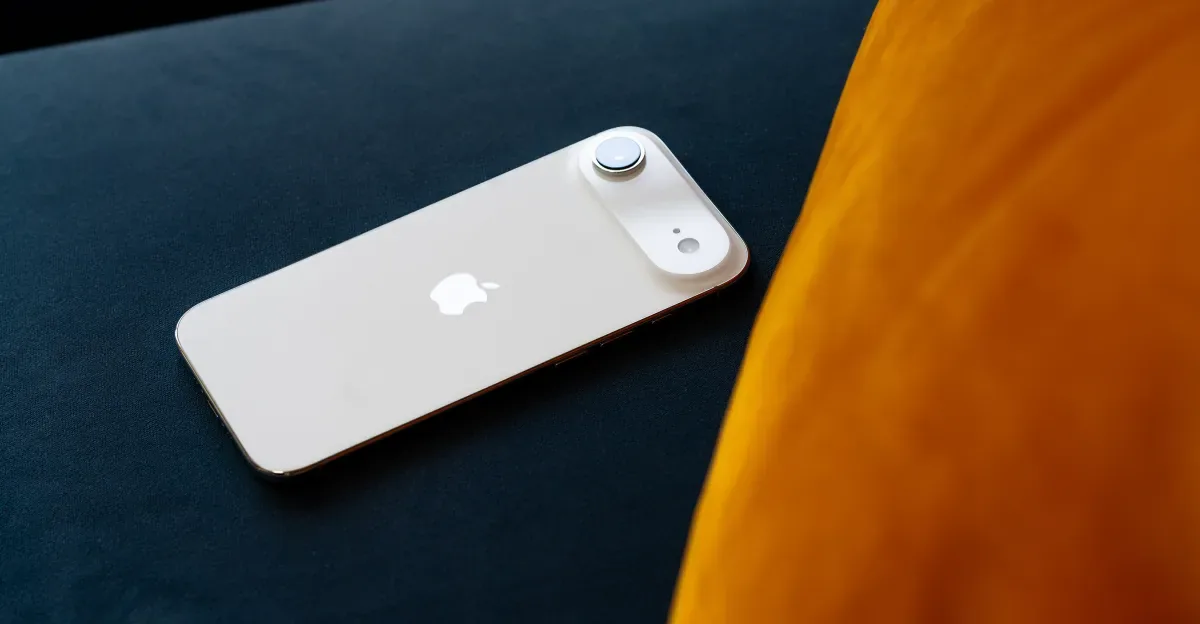
Apple has quietly increased the prices of its older iPhone models by $100 across the board, following the recent "Surprise and shine" event where the tech giant unveiled the iPhone Duo and iPhone 18 Pro. This price adjustment means that consumers looking for a more budget-friendly iPhone will now face higher costs for devices that were previously more accessible.
The iPhone 16, which was available for $699 just last week, has now seen its price climb to $799. Similarly, the iPhone 17E, with 256GB of storage, now retails for $699, a significant jump from its original launch price of $599. The standard iPhone 17 also received a price bump, starting at $899 for the 256GB version, up from $799. This upward trend in pricing extends to the iPhone Air, which now costs $1,099, compared to its previous $999 price point. The base model iPhone 18 was notably absent from the September event lineup, with Apple's focus squarely on its higher-end offerings, which start at $1,199.
Shifting Market Dynamics and Consumer Impact
This unexpected price increase on older hardware suggests a strategic shift by Apple, potentially aimed at encouraging consumers to opt for the latest flagship models or to boost profit margins on its still-popular previous generations. In a market where consumers often rely on price drops of older models as an entry point to the Apple ecosystem, this move could impact sales figures for these devices. The company has not yet issued a formal statement explaining the rationale behind the price hikes, leaving consumers and analysts to speculate on the underlying business strategies.
The timing of the price increase, occurring shortly after the announcement of new flagship devices, is a common tactic in the industry. However, a $100 increase on multiple models is substantial and comes at a time when consumer spending is under scrutiny. The iPhone has long been a benchmark device in the smartphone market, and such pricing adjustments can ripple through consumer expectations and competitor strategies. For consumers who were holding out for a more affordable iPhone option, this change means reconsidering their purchase plans or potentially exploring devices from other manufacturers.
The availability of the iPhone 17, iPhone 17E, and iPhone Air at these new price points highlights Apple's continued commitment to supporting its previous hardware generations. However, the elevated cost underscores the premium nature of Apple's products. As the company continues to innovate with models like the iPhone Duo and the upcoming iPhone 18 Pro, it also seems intent on managing the lifecycle and perceived value of its existing iPhone lineup. This strategy ensures that even older models retain a certain market value, reinforcing the brand's premium positioning.