
Apple Watch Ultra 4 Debuts With Advanced Health Sensors and AI Audio
Apple's new Watch Ultra 4 features upgraded health sensors for more frequent measurements and AI-powered audio tools. The device aims to provide deeper recovery insights and enhanced communication features.

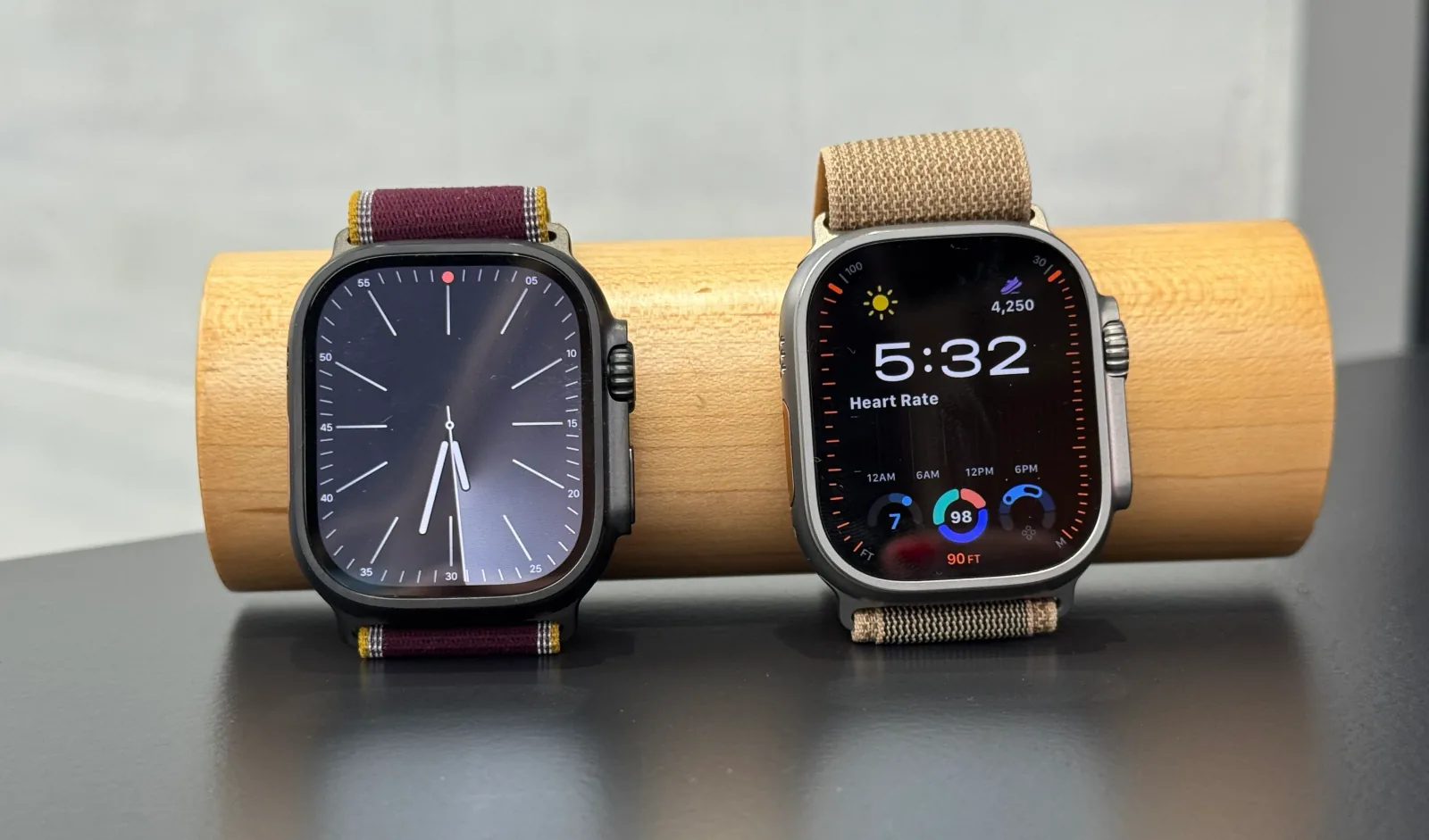
The new Apple Watch Ultra 4, starting at $799, has been unveiled with a significantly upgraded processor and reengineered health sensors. These advancements enable more frequent health measurements, new recovery insights, and AI-powered audio tools. During a hands-on demonstration at Apple's Steve Jobs Theater, the device showcased its enhanced capabilities, offering a glimpse into its potential for health tracking and user interaction.
Visually, the Apple Watch Ultra 4 maintains a familiar aesthetic, but a closer inspection reveals substantial internal changes. The back of the watch now features a redesigned sensor array with 32 electrodes, replacing the previous ring design. These electrodes offer a larger surface area for capturing electrocardiogram (ECG) readings. Additionally, the green and infrared LEDs have been repositioned into a smaller, circular cluster. These updated sensors, coupled with the new S11 processor, allow the Ultra 4 to record heart rate readings every 5 seconds, a significant increase from the approximately 5-minute intervals on previous models. Heart rate variability (HRV), another key metric, can now be measured every 5 minutes, compared to just a few times daily on older versions. Apple asserts that this increased sampling frequency positions the Ultra 4 as the most accurate wearable on the market.
A key new feature powered by this enhanced data collection is the Readiness score. This metric assesses how well the body is recovering from exercise throughout the day. Unlike many wearables that rely primarily on overnight data, the Ultra 4's score dynamically adjusts in real-time as the user's energy levels fluctuate. The Vitals app on the watch has also been updated with a new Daytime toggle, allowing users to view continuous daytime heart rate and HRV alongside existing overnight measurements like temperature and SpO2. Unlocking these advanced features requires seven days of data, after which users can assess their accuracy against personal well-being.
Enhanced Audio and Processing Power
Beyond health monitoring, the Apple Watch Ultra 4 and Series 12 introduce new AI audio features. Live Rewind enables users to replay the previous 15 seconds of a conversation with a simple press of the digital crown, demonstrating impressive transcription accuracy even in noisy environments. Siri Recap offers another AI-driven capability, allowing the watch to listen to conversations throughout the day (or during scheduled times) and generate high-level notes and summaries. These recaps can be triggered manually or scheduled in advance. Apple has emphasized that these audio features are designed with privacy in mind, with audio not being stored and only saved transcripts being accessible to the user.
The efficiency of these new features is largely attributed to the S11 chip. This processor includes a dedicated always-on component that manages background tasks, such as heart rate monitoring and audio processing, without continuously engaging the main processor. This design is crucial for maintaining battery life, a traditional strength of the Ultra line.
Battery life on the Ultra 4 has seen a moderate increase, now estimated at approximately 50 hours, up from 42 hours on the Ultra 3, due to a slight increase in battery capacity. While this still falls short of the multi-week battery life offered by some competitors like Garmin, Apple appears to prioritize accuracy through frequent data sampling over extreme battery endurance. This trade-off is particularly relevant for endurance athletes.
To cater to this demographic, the Apple Watch Ultra 4 includes two new sports-specific low-battery modes. The Extended Workout mode can track activities for up to 25 hours by disabling the always-on display and running-form metrics while preserving full-fidelity GPS and heart-rate tracking. The Max Extended Workout mode pushes this duration to 48 hours, though it involves compromises such as switching to single-band GPS, displaying a 5-minute average for heart rate, and disabling custom workouts and alerts. Apple is providing athletes with options to balance tracking duration with essential data fidelity, allowing them to choose the compromises that best suit their needs for extended activities.
While the 49mm rugged design of the Ultra 4 might be too large for everyday wear for some users, the enhanced readiness features, improved battery life, and more accurate data collection make it a compelling option for endurance athletes and those upgrading from older Ultra models. Apple's strategy appears to be focused on delivering subscription-free, highly accurate tracking with advanced data analysis, positioning the Ultra 4 as a premium choice that leverages its data throughout the day rather than solely competing on battery longevity against dedicated sports watch brands.